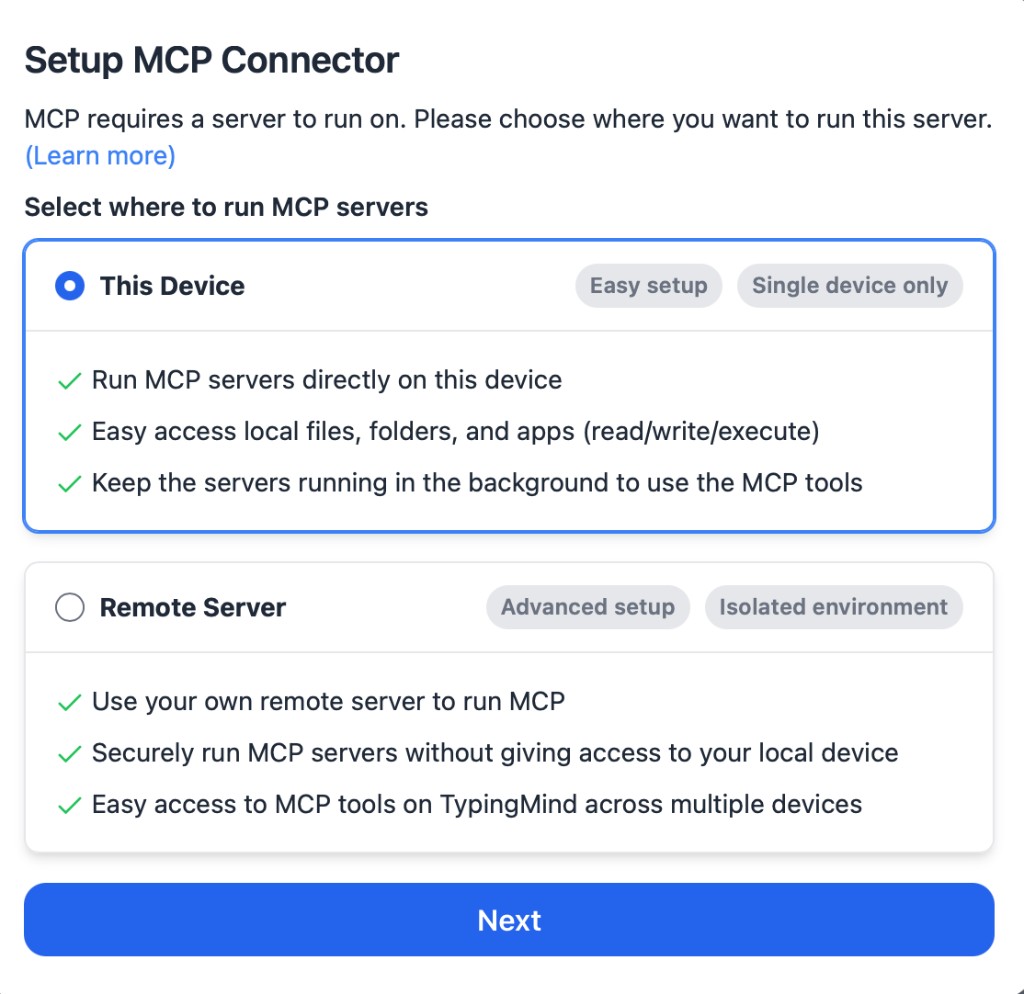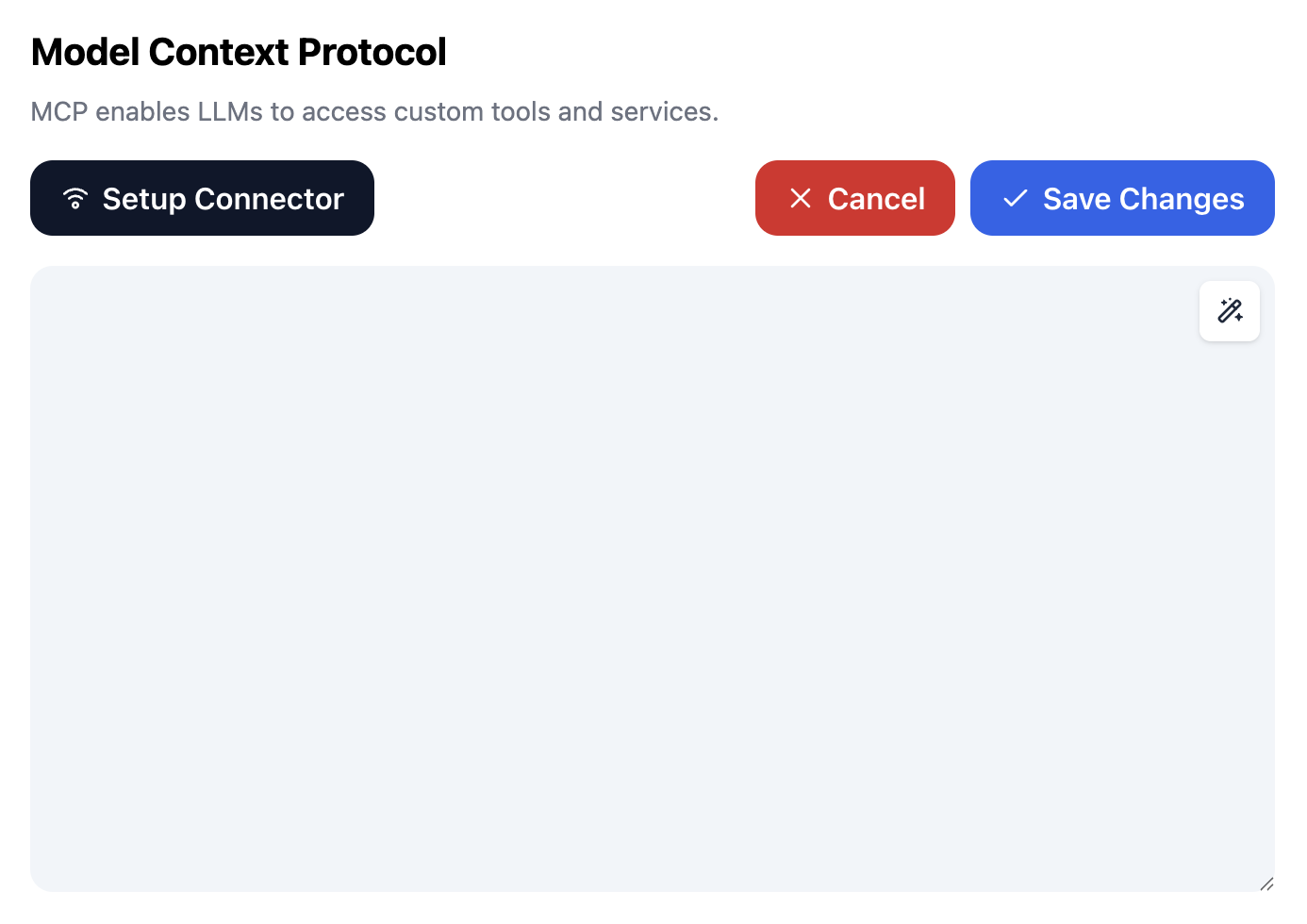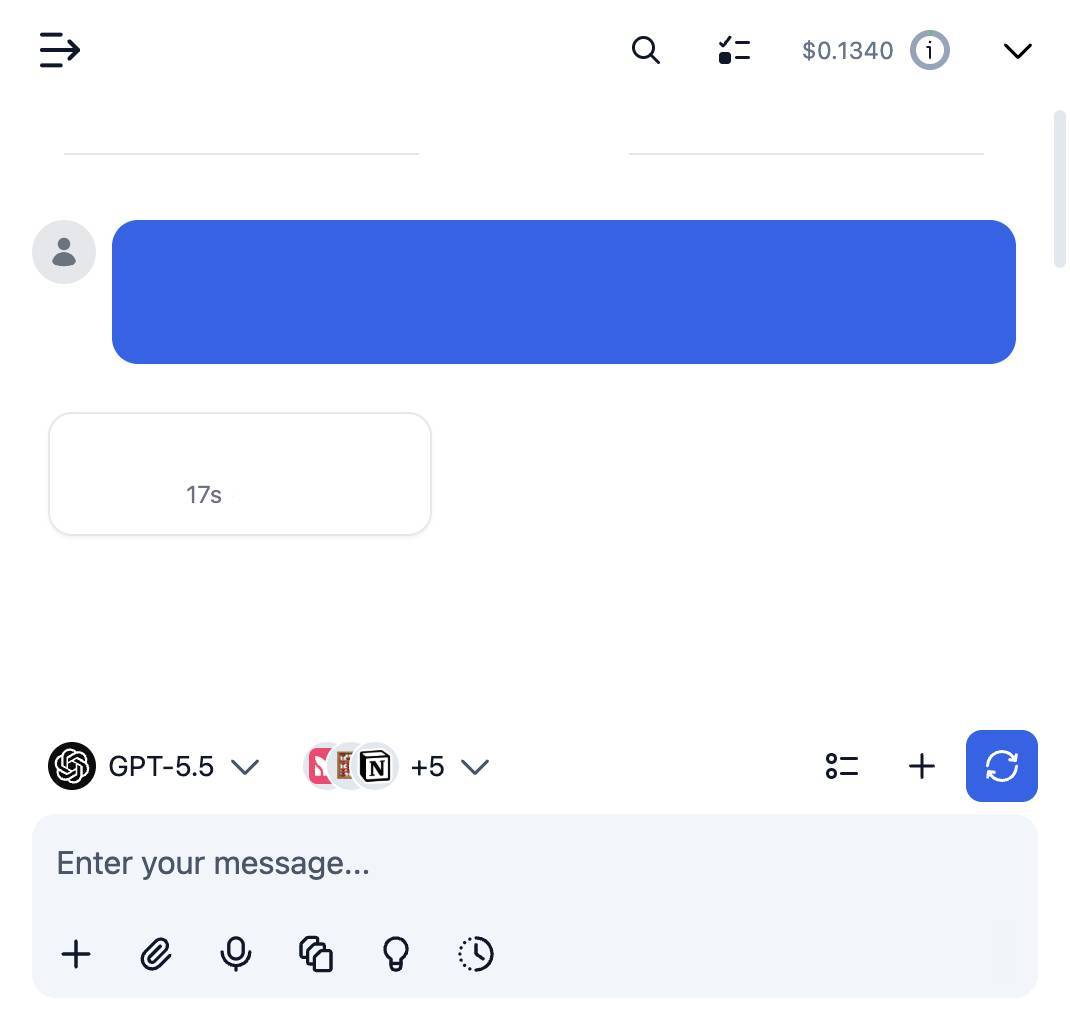
Azure AHDS FHIR MCP Server 🚀
A Model Context Protocol (MCP) server implementation for Azure Health Data Services FHIR (Fast Healthcare Interoperability Resources). This service provides a standardized interface for interacting with Azure FHIR servers, enabling healthcare data operations through MCP tools.



Setup 🛠️
Installation 📦
Requires Python 3.13 or higher and uv.
Install uv first.
Configuration ⚙️
See the FastMCP guidance on mcp.json here: https://gofastmcp.com/integrations/mcp-json-configuration
Client Credentials Flow (default):
- Used for service-to-service authentication
- Leave
USE_FAST_MCP_OAUTH_PROXY=false - Keep
HTTP_TRANSPORT=falseto use stdio transport - Uses Azure AD client credentials flow
json{ "mcpServers": { "fhir": { "type": "stdio", "command": "uvx", "args": [ "azure-fhir-mcp-server" ], "env": { "fhirUrl": "https://your-fhir-server.azurehealthcareapis.com/fhir", "clientId": "your-client-id", "clientSecret": "your-client-secret", "tenantId": "your-tenant-id" } } } }
OAuth On-Behalf-Of Flow:
Create the Azure App Registration
The OAuth on-behalf-of flow requires a confidential Azure AD application that represents the MCP server.
- In the Azure portal, go to Microsoft Entra ID ➜ App registrations ➜ New registration. Give it a descriptive name such as
FHIR-MCP-Server, set Supported account types to Single tenant, and leave the redirect URI unset for now. - After the app is created, capture the generated
Application (client) IDandDirectory (tenant) IDfor later use. - Under Expose an API, select Set for the Application ID URI and accept the suggested value
api://{appId}. Add a scope nameduser_impersonationwith admin consent display/description also set touser_impersonation. - Under Certificates & secrets, create a New client secret (for example
FHIR-MCP-Secret-New). Copy the secret value immediately; it is required for the MCP serverclientSecretsetting. - Under Authentication, add the following Web redirect URIs to support the FastMCP OAuth proxy:
http://localhost:9002/auth/callbackEnsure Default client type remains No so the app stays confidential.
- Under API permissions, choose Add a permission ➜ APIs my organization uses, search for your Azure Health Data Services FHIR server, and add the delegated scopes required for your scenario. Grant admin consent so the FastMCP proxy can request tokens without an interactive prompt.
-
Environment variables:
- Set
USE_FAST_MCP_OAUTH_PROXY=true - Requires
HTTP_TRANSPORT=true
- Set
-
Start the MCP server with:
bashuv pip install -e . uv run --env-file .env azure-fhir-mcp-server
- Update mcp.json:
json{ "mcpServers": { "fhir": { "type": "http", "url": "http://localhost:9002/mcp" } } }
The following is a table of available environment configuration variables:
| Variable | Description | Default | Required |
|---|---|---|---|
fhirUrl | Azure FHIR server base URL (include /fhir) | - | Yes |
clientId | Azure App registration client ID | - | Yes |
clientSecret | Azure App registration client secret | - | Yes |
tenantId | Azure AD tenant ID | - | Yes |
USE_FAST_MCP_OAUTH_PROXY | Enable FastMCP Azure OAuth proxy integration | false | No |
HTTP_TRANSPORT | Run the MCP server over HTTP transport (required for OAuth proxy) | false | No |
FASTMCP_HTTP_PORT | Port exposed when HTTP_TRANSPORT=true | 9002 | No |
FHIR_SCOPE | Override FHIR audience scope for the OBO flow (space-separated) | {fhirUrl}/.default | No |
FASTMCP_SERVER_AUTH_AZURE_BASE_URL | Public base URL of your FastMCP server | http://localhost:9002 | No |
FASTMCP_SERVER_AUTH_AZURE_REDIRECT_PATH | OAuth callback path appended to the base URL | /auth/callback | No |
FASTMCP_SERVER_AUTH_AZURE_IDENTIFIER_URI | Azure App registration Application ID URI | api://{clientId} | No |
FASTMCP_SERVER_AUTH_AZURE_REQUIRED_SCOPES | Space-separated scopes requested by the Azure provider | user_impersonation | No |
FASTMCP_SERVER_AUTH_AZURE_ADDITIONAL_AUTHORIZE_SCOPES | Optional space-separated scopes added to the authorize request | - | No |
LOG_LEVEL | Logging level | INFO | No |
Available Tools 🔧
FHIR Resource Operations
search_fhir- Search for FHIR resources based on a dictionary of search parametersget_user_info- (OAuth only) Returns information about the authenticated Azure user
Resource Access
The server provides access to all standard FHIR resources through the MCP resource protocol:
fhir://Patient/- Access all Patient resourcesfhir://Patient/{id}- Access a specific Patient resourcefhir://Observation/- Access all Observation resourcesfhir://Observation/{id}- Access a specific Observation resourcefhir://Medication/- Access all Medication resourcesfhir://Medication/{id}- Access a specific Medication resource- And many more...
Development 💻
Local Development Setup
1 - Clone the repository:
bashgit clone https://github.com/erikhoward/azure-fhir-mcp-server.git cd azure-fhir-mcp-server
2 - Create and activate virtual environment:
Linux/macOS:
bashpython -m venv .venv source .venv/bin/activate
Windows:
bashpython -m venv .venv .venv\Scripts\activate
3 - Install dependencies:
bashpip install -e ".[dev]"
4 - Copy and configure environment variables:
bashcp .env.example .env
Edit .env with your settings:
envfhirUrl=https://your-fhir-server.azurehealthcareapis.com/fhir clientId=your-client-id clientSecret=your-client-secret tenantId=your-tenant-id
5 - Claude Desktop Configuration
Open claude_desktop_config.json and add the following configuration.
On MacOs, the file is located here: ~/Library/Application Support/Claude Desktop/claude_desktop_config.json.
On Windows, the file is located here: %APPDATA%\Claude Desktop\claude_desktop_config.json.
json{ "mcpServers": { "fhir": { "command": "uv", "args": [ "--directory", "/path/to/azure-fhir-mcp-server/repo", "run", "azure_fhir_mcp_server" ], "env": { "LOG_LEVEL": "DEBUG", "fhirUrl": "https://your-fhir-server.azurehealthcareapis.com/fhir", "clientId": "your-client-id", "clientSecret": "your-client-secret", "tenantId": "your-tenant-id" } } } }
6 - Restart Claude Desktop.
Running Tests
bash# Run all tests python -m pytest tests/ -v # Run with coverage pytest tests/ --cov=src/azure_fhir_mcp_server # Run specific test pytest tests/test_fastmcp_metadata.py::TestFastMCPMetadata::test_fastmcp_server_discovery -v # Run with detailed output pytest tests/test_fastmcp_metadata.py::TestFastMCPMetadata::test_output_detailed_metadata -v -s
Contributions 🤝
Contributions are welcome! Please feel free to submit a Pull Request.
- Fork the repository
- Create your feature branch (
git checkout -b feature/AmazingFeature) - Commit your changes (
git commit -m '✨ Add some AmazingFeature') - Push to the branch (
git push origin feature/AmazingFeature) - Open a Pull Request
License ⚖️
Licensed under MIT - see LICENSE.md file.
This is not an official Microsoft or Azure product.