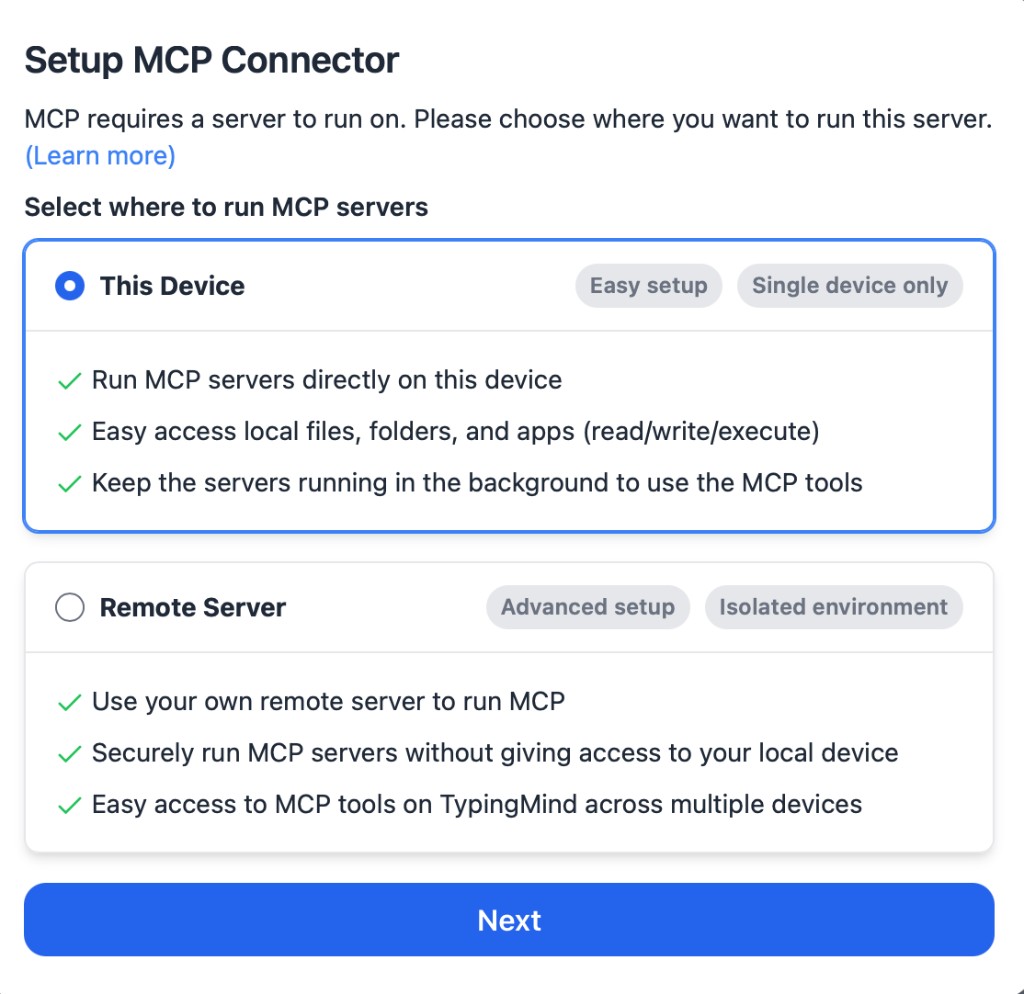
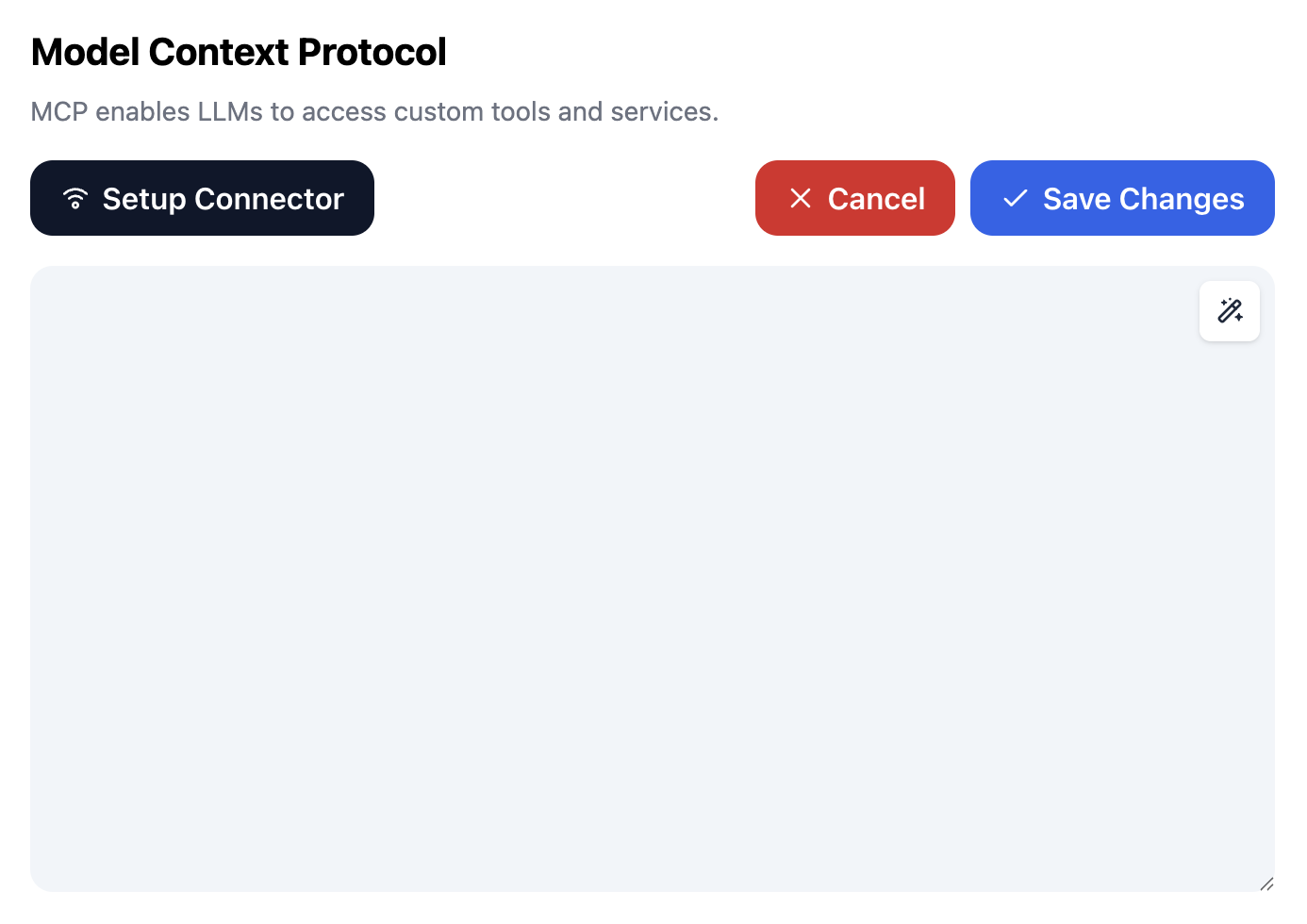
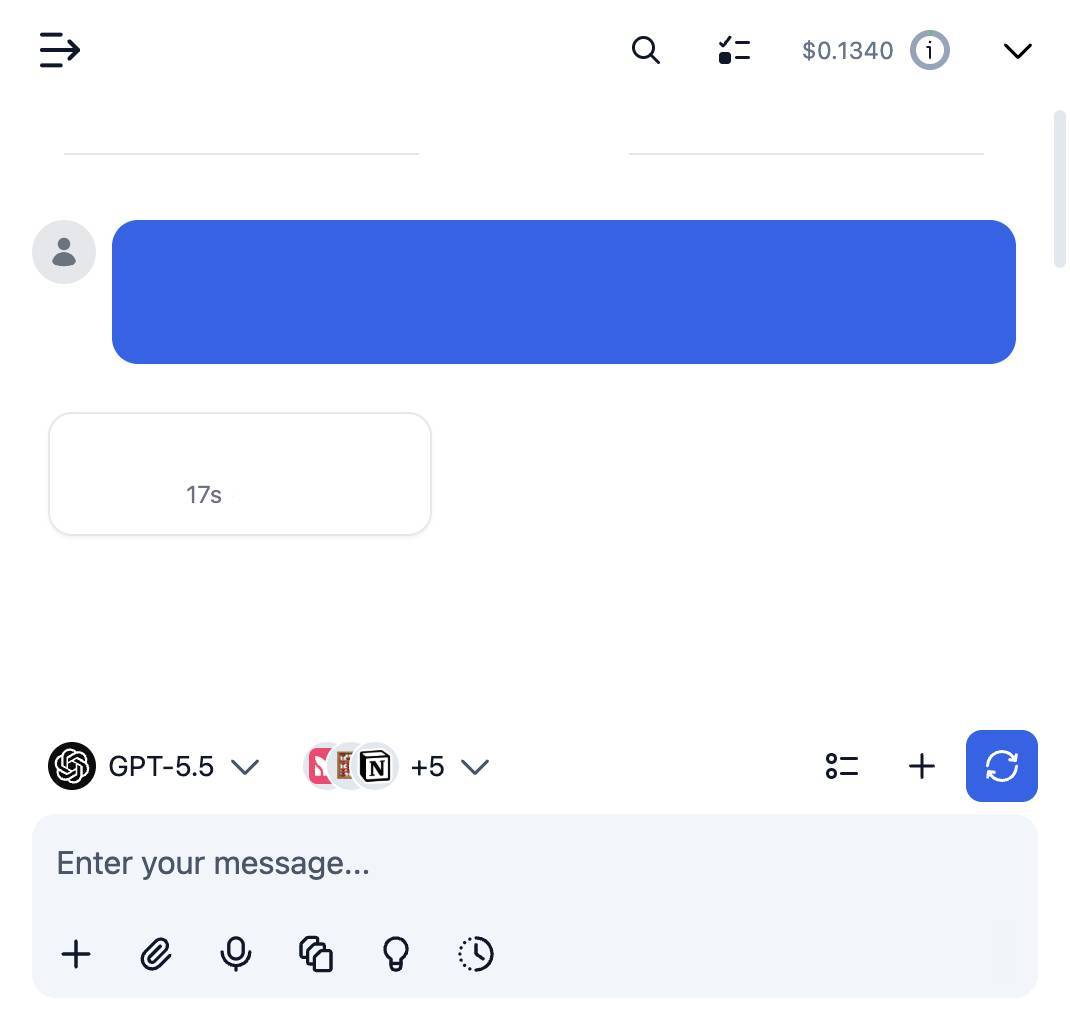
Butterbase gives you the building blocks for AI-driven applications without lock-in: a Postgres-backed backend with row-level security, serverless functions, an LLM gateway, realtime subscriptions, key-value store, file storage, RAG, durable per-key actors, and a built-in Model Context Protocol (MCP) server so agents can operate your backend with tools instead of glue code.
Features
Data
- Postgres data plane — per-app databases with declarative schema (
/schema), automatic REST endpoints (/auto-api), and migrations. - Row-Level Security — first-class RLS policy management with user-isolation helpers (
/rls). - Key-Value store — regional, quota-protected KV with TTL, audit trail, and dashboard expose rules (
/v1/:app/kv/*). New in v0.2.0. - File storage — S3/R2-backed object storage with presigned URLs, ACLs, and async indexing (
/storage).
Compute
- Serverless functions — TypeScript functions executed on the Deno runtime (
/functions). - Durable Objects — stateful per-key actors for chat rooms, multiplayer, rate limiters, long-running agents (
/durable-objects). - Realtime — WebSocket subscriptions to table changes for live UIs and presence (
/realtime). - Edge SSR — deploy Next.js / Remix / Astro edge handlers from source (
/edge-ssr,/edge-ssr-from-source). - Frontend hosting — zip or build-from-source static / SPA deploys with custom domains (
/frontend,/custom-domains).
AI
- AI gateway — single endpoint for chat, embeddings, model listing; pluggable router adapters (
/gateway,/ai-config). - RAG — managed collections, document ingestion, semantic search and synthesized answers (
/rag). - Integrations — third-party tool access via Composio (
/integrations).
Identity & ops
- Auth — email + OAuth (Google, GitHub, Apple, X, …), JWT tuning, post-login hooks, service keys (
/auth,/oauth-config,/api-keys). - Audit logs — structured request audit trail across KV and other surfaces (
/audit-logs). - Webhooks — outbound webhooks for app events (
/webhooks). - Multi-region app moves — relocate an app across regions with retained source replicas (
scripts/move-app/).
Agent surface
- MCP server — every capability above is exposed as MCP tools at
/mcp(HTTP) or via stdio (@butterbase/mcp—npx @butterbase/mcp). - Claude Code plugin —
packages/plugin(submodule of butterbase-skills) ships 30+ guided skills (idea → plan → schema → auth → functions → deploy → submit) for agentic app building.
Templates
templates/ contains full, production-shaped applications built on Butterbase. These aren't starter skeletons — each one is a complete, running app with schema, RLS policies, deployed functions, auth config, and a React frontend. You clone the backend into your own Butterbase account and own a working product from day one.
How cloning works:
butterbase clone <app_id> <name>is a managed-platform operation — it forks the live backend (schema, RLS, functions, auth/storage/realtime/AI configs) into a newapp_<id>you own, with its own database, URL, and API key. Thebutterbase clonepath requires an account at butterbase.ai. If you're self-hosting, thebackend/folder in each template contains the schema, RLS policies, and function code you would deploy manually against your own stack.
butterbaseCRM
An open-source CRM for founders. Companies, people, deals (kanban), meetings, notes, and an activity feed — with Gmail and Google Calendar sync, company and person enrichment, email campaigns, multi-platform social publishing (X, LinkedIn, Reddit, TikTok), and a workspace AI agent that can query your CRM and propose actions for you to approve.
Core CRM entities are stored as substrate entities — a cross-app, agent-readable memory layer — so other Butterbase apps you build (like butterSupport) share the same customer identity without any integration code between them.
What's included: 29 Postgres tables · 55+ serverless functions · Workspace AI agent (agent-chat) · Gmail + Calendar ingest via Composio · Enrichment (People Data Labs + Exa) · Social publishing via Composio · Realtime on 7 tables · Google OAuth + email auth · RLS on every table
bashbutterbase clone app_44zjayftl7b3 butterbaseCRM cd butterbaseCRM cp frontend/.env.example frontend/.env.local # fill in your APP_ID cd frontend && npm install && npm run dev
Full setup: templates/butterbaseCRM/QUICKSTART.md
butterSupport
An AI support agent that diagnoses against your real product data, not just your help-center docs. A per-ticket Durable Object agent loop reads live customer state from substrate (failed payments, auth errors, account tier), drafts a reply, and posts it for founder approval before anything reaches the customer. Ships with an embeddable widget and a founder console (inbox, live reasoning stream, approval flow).
It works in two depths from the same clone:
- Commodity tier — paste a help-center URL, get a working agent in under 60 seconds. No product integration required.
- Deep tier — link your main product app so the agent reads live substrate signals and can propose governed actions (resend verification, retry webhook, flag bug, apply credit).
What's included: 20 Postgres tables · 23 serverless functions · 1 Durable Object (SupportTicketDO) · RAG collection over your help center · Embeddable widget (53KB gzipped) · HMAC-signed user identity · Founder approval on every customer-visible reply · Escalation to Slack or Gmail via Composio
bashbutterbase clone app_0ycj4ad7odud my-support cd my-support
Visit your new subdomain, sign in with magic link, paste your help-center URL. Copy the embed snippet into your product HTML.
Full setup: templates/butterSupport/README.md
Open-source vs. managed
This repo ships the runtime data plane — everything required to self-host a fully featured Butterbase instance. The managed offering at butterbase.ai adds multi-region orchestration, billing, upstream AI router adapters, lease-based quota enforcement, and ops dashboards (those live in a private repo that consumes this one as a submodule).
When you self-host, the AI gateway runs without upstream router adapters, billing uses a no-op provider, and quotas are unlimited. Wire your own implementations via the BillingProvider, QuotaEnforcer, and RouterAdapter interfaces in packages/shared.
Quickstart (self-host)
Requirements: Docker, Node 22+, npm.
1. Clone (with submodules)
The Claude Code plugin containing skills (packages/plugin) is a git submodule (butterbase-skills). A plain clone leaves packages/plugin/ empty and npm install silently skips that workspace.
bashgit clone --recurse-submodules https://github.com/butterbase-ai/butterbase.git cd butterbase
If you already cloned without submodules:
bashgit submodule update --init --recursive
Optional — keep submodules updated on every pull:
bashgit config --global submodule.recurse true
2. Install dependencies and configure env
bashnpm ci cp .env.example .env
docker-compose.local.yml sets KV_REDIS_URL_US_EAST_1 for you. Edit .env only if you override defaults (e.g. run control-api on the host — use redis://localhost:6379).
3. Start the stack
First run builds images and can take several minutes.
bashdocker compose -f docker-compose.local.yml up -d
Wait until control-api is healthy:
bashcurl -sf http://localhost:4000/health/ready
4. Run database migrations
Schema is not applied automatically on container start. From the repo root (with the stack running):
bashexport NEON_PLATFORM_PRIMARY_URL=postgresql://butterbase:butterbase_dev@localhost:5433/butterbase_control export NEON_RUNTIME_PROJECT_ID_US_EAST_1=postgresql://butterbase:butterbase_dev@localhost:5437/butterbase_runtime_us export BUTTERBASE_REGIONS=us-east-1 npm run migrate:all
5. Seed the local dev user
With AUTH_ENABLED=false, the API uses DEV_OWNER_ID from compose. That user must exist in platform_users (fresh volumes start empty):
bashexport NEON_PLATFORM_PRIMARY_URL=postgresql://butterbase:butterbase_dev@localhost:5433/butterbase_control npm run seed:dev
6. Smoke test
Auth is disabled in the local compose profile (AUTH_ENABLED=false):
bashcurl -X POST http://localhost:4000/init \ -H "Content-Type: application/json" \ -d '{"name": "my-app"}' curl http://localhost:4000/apps
Local endpoints
| Service | URL / port |
|---|---|
| Control API | http://localhost:4000 |
| MCP (HTTP, via control-api) | http://localhost:4000/mcp |
| Deno runtime | http://localhost:7133 |
| Docs site | http://localhost:4321 |
| Control plane Postgres | localhost:5433 |
| Data plane Postgres | localhost:5435 |
| Runtime plane Postgres | localhost:5437 |
| LocalStack (S3) | http://localhost:4566 |
Full setup (auth, MCP clients, troubleshooting, production notes): SETUP.md.
Architecture
┌──────────────────────────────────────────┐ │ Your app · agent · MCP client · CLI │ └──────────────────────┬───────────────────┘ │ REST · WebSocket · MCP ┌──────────────────────▼───────────────────┐ │ control-api (Fastify) │ │ apps · auth · schema · auto-api · RLS │ │ storage · functions · KV · realtime │ │ AI gateway · RAG · DOs · MCP at /mcp │ └──┬──────┬───────┬───────┬────────┬───────┘ │ │ │ │ │ ┌────────▼─┐ ┌──▼───┐ ┌─▼──┐ ┌──▼─────┐ ┌▼─────────────┐ │ Postgres │ │ S3 / │ │Redis│ │ Deno │ │ Python agent │ │ 3 planes │ │ R2 │ │ KV │ │runtime │ │ runtime │ └──────────┘ └──────┘ └────┘ └────────┘ └──────────────┘ ┌──────────────────┐ │ Cloudflare: │ │ build-runner · │ │ dispatch-worker │ └──────────────────┘
Three Postgres planes:
- control-plane (
db/control-plane/) — platform metadata: users, apps, billing, audit. - runtime-plane (
db/runtime-plane/) — hot-path runtime tables (KV expose rules, realtime channels, sessions). - data-plane (
db/data-plane/) — per-app user data; each app gets isolated schemas with RLS.
Repo layout
Services (services/)
| Service | Language | What it does |
|---|---|---|
control-api | Node.js / Fastify | Main entry point. All public APIs, embeds MCP at /mcp. |
mcp-server | Node.js | MCP tool implementations (built into control-api; also ships as butterbase-mcp stdio binary). |
deno-runtime | Deno | Executes user serverless functions in isolates. |
agent-runtime | Python (uv) | Long-running agent executor for manage_ai / agent tasks. |
build-runner | Cloudflare Worker | Builds frontends and edge-SSR bundles from source. |
storage-indexer | Node.js | Async indexer for uploaded objects. |
docs | Astro | Public documentation site (also served locally at :4321). |
Packages (packages/)
| Package | Description |
|---|---|
@butterbase/sdk | Universal TypeScript SDK (browser + server). |
@butterbase/cli | butterbase CLI for scaffolding and backend management. |
@butterbase/plugin | Claude Code plugin — 30+ guided skills for AI-driven app building. Git submodule of butterbase-skills. |
@butterbase/shared | Shared types, constants, and pluggable interfaces (BillingProvider, QuotaEnforcer, RouterAdapter). |
Other top-level pieces
dispatch-worker/— Cloudflare Worker that routes per-app subdomain traffic.bb-placeholder/— placeholder origin for unprovisioned subdomains.infra/—pgbouncerandtraefikconfigs for self-host.db/— SQL migrations for the three Postgres planes.Examples/—todo-2026-04-02,grocery-list-2026-04-03.templates/— full production-shaped apps:butterSupport,butterbaseCRM.
What's not in this repo
The OSS / managed boundary is intentional. The following are private to the managed offering:
- Multi-region orchestration and the cross-region scheduler.
- Billing logic, lease-based quota math, and Stripe wire-up beyond the no-op provider.
- Upstream AI router adapters (OpenAI / Anthropic / Bedrock provider integrations beyond the gateway interface).
- Customer / admin dashboards, hackathon-host dashboards, and ops tooling.
If you need these for self-host, implement against the interfaces in packages/shared — see CONTRIBUTING.md for the scope rules.
Documentation
SETUP.md— self-host and local development guideCHANGELOG.md— release notes (latest: v0.2.0, 2026-05-25 — KV store)ROADMAP.md— what's nextCONTRIBUTING.md— contributor workflow and OSS scopeSUBDOMAIN_IMPLEMENTATION.md— tenant subdomain routingdocs/runbooks/local-e2e.md— multi-region E2E stackdocs/runbooks— operational runbooksExamples/— small example apps (todo, grocery list)templates/— full apps you can clone and run (butterSupport, butterbaseCRM)- Docs site (local):
http://localhost:4321afterdocker compose up
Project status
Latest release: v0.2.0 (2026-05-25) — adds the KV store across SDK / REST / CLI / MCP. The data plane is production-tested by the managed offering; the OSS distribution is young — please file self-host issues and we'll tighten docs and defaults from feedback. See CHANGELOG.md for the full history.
Community & support
- Discord — chat with the team and other builders
- LinkedIn — follow us for product updates and announcements
- GitHub Issues — bug reports, feature requests
- Email — yuki@butterbase.ai for direct contact
Contributing
See CONTRIBUTING.md. The boundary between OSS and the managed offering is intentional — please read the scope section before opening a PR that touches billing, quota math, or upstream router adapters.
Security
See SECURITY.md. Report vulnerabilities to security@butterbase.ai.
License
Apache-2.0. Copyright 2026 NetGPT Inc.