Content Core




Extract, process, and summarize content from URLs, files, and text through a unified async Python API, CLI, or MCP server.
Supported Formats
| Category | Formats |
|---|---|
| Web | URLs, HTML pages, YouTube videos, Reddit posts |
| Documents | PDF, DOCX, PPTX, XLSX, EPUB, HTML, Markdown, plain text |
| Media | MP3, WAV, M4A, FLAC, OGG (audio); MP4, AVI, MOV, MKV (video) |
Quick Start
bashpip install content-core
pythonimport content_core result = await content_core.extract_content(url="https://example.com") print(result.content)
Or with zero install:
bashuvx content-core extract "https://example.com"
CLI Usage
Content Core provides a unified content-core command with subcommands for extraction, summarization, and MCP server.
Extract
bash# From a URL content-core extract "https://example.com" # From a file content-core extract document.pdf # With JSON output content-core extract document.pdf --format json # With a specific engine content-core extract "https://example.com" --engine firecrawl # From stdin echo "some text" | content-core extract
Summarize
bash# Summarize text content-core summarize "Long article text here..." # With context content-core summarize "Long text" --context "bullet points" # From stdin cat article.txt | content-core summarize --context "explain to a child"
MCP Server
bashcontent-core mcp
Configuration
bash# Set persistent config content-core config set llm_provider anthropic content-core config set llm_model claude-sonnet-5 # List current config content-core config list # Delete a config value content-core config delete llm_provider
Config is stored in ~/.content-core/config.toml. Priority: command flags > env vars > config file > defaults.
Zero-Install with uvx
All commands work without installation using uvx:
bashuvx content-core extract "https://example.com" uvx content-core summarize "text" --context "one sentence" uvx content-core mcp
Python API
Extraction
pythonimport content_core # From a URL result = await content_core.extract_content(url="https://example.com") # From a file result = await content_core.extract_content(file_path="document.pdf") # From text result = await content_core.extract_content(content="some text") # With engine override from content_core import ContentCoreConfig config = ContentCoreConfig(url_engine="firecrawl") result = await content_core.extract_content(url="https://example.com", config=config)
Summarization
pythonimport content_core summary = await content_core.summarize("long article text", context="bullet points")
Configuration
pythonfrom content_core import ContentCoreConfig config = ContentCoreConfig( url_engine="firecrawl", document_engine="docling", audio_concurrency=5, ) result = await content_core.extract_content(url="https://example.com", config=config)
MCP Integration
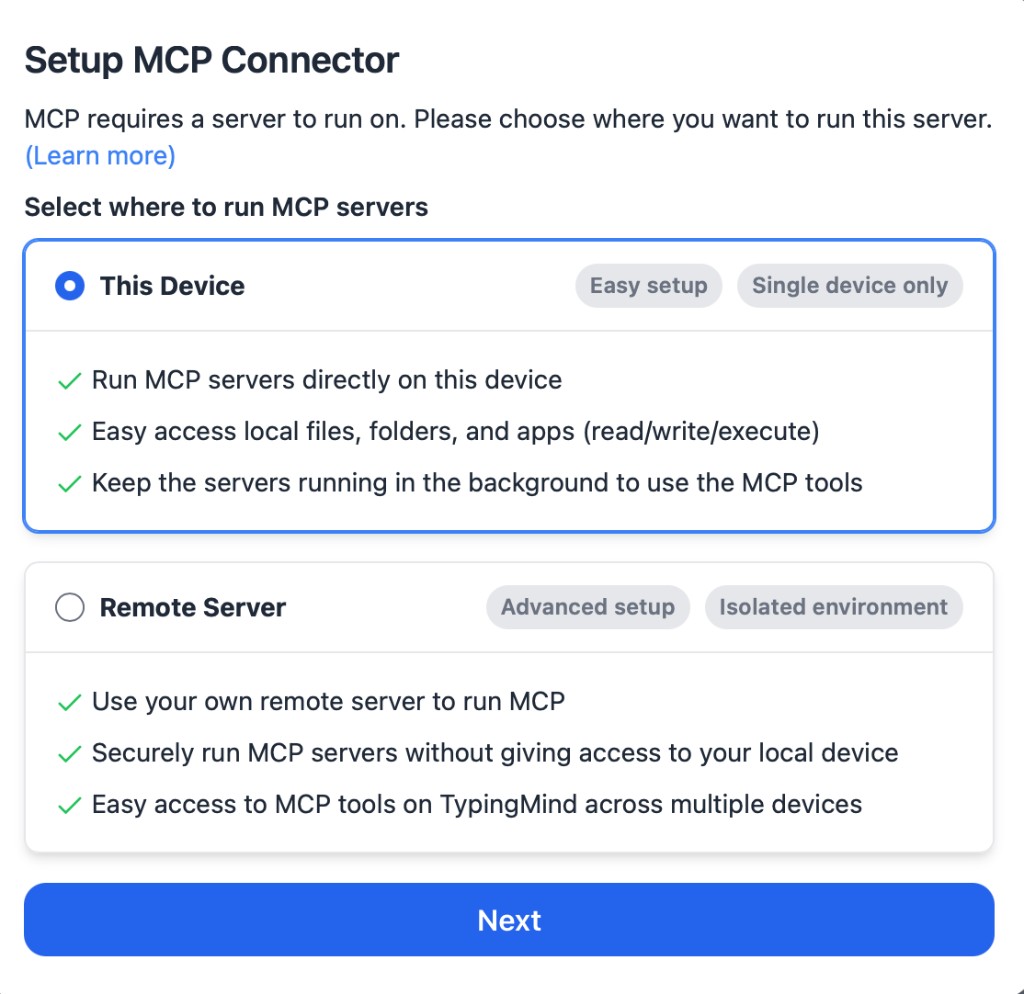
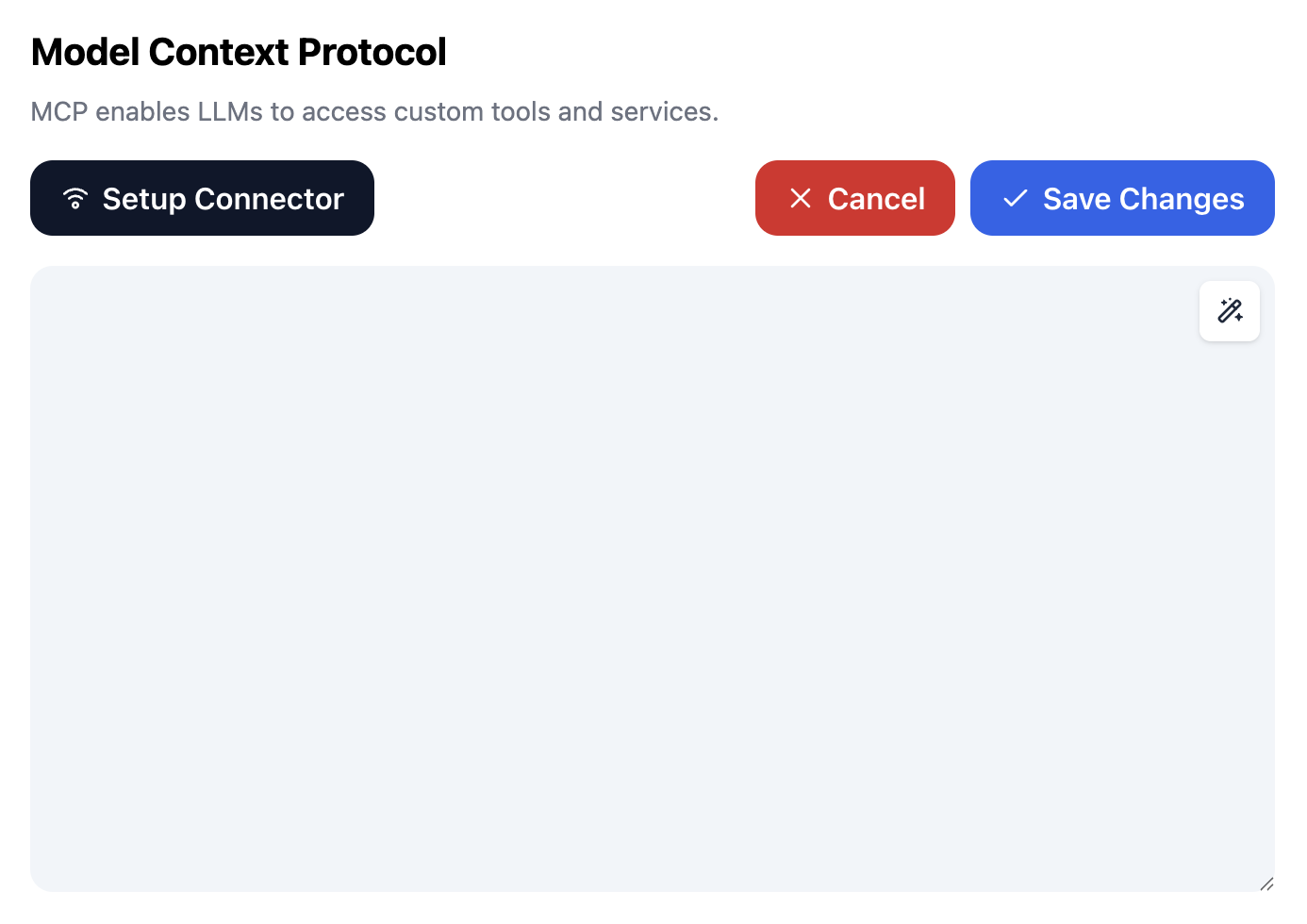
Content Core includes a Model Context Protocol (MCP) server for use with Claude Desktop and other MCP-compatible applications.
Add to your claude_desktop_config.json:
json{ "mcpServers": { "content-core": { "command": "uvx", "args": ["content-core", "mcp"], "env": { "OPENAI_API_KEY": "sk-..." } } } }
The MCP server exposes two tools: extract_content and summarize_content. Both return plain text.
For detailed setup, see the MCP documentation.
Agent Skill (Claude Code & Codex)
Content Core ships an Agent Skill that teaches AI agents how to use it for extracting content from external sources. This repository is also a plugin marketplace, so the skill installs natively in both harnesses.
Claude Code — add the marketplace and install the plugin:
/plugin marketplace add lfnovo/content-core /plugin install content-core@content-core
Codex — the repository carries a Codex plugin manifest (.codex-plugin/plugin.json) and marketplace catalog (.agents/plugins/marketplace.json) pointing at the same skill.
Manual fallback — copy the skill file directly into your project:
bashcurl -o .claude/skills/content-core/SKILL.md --create-dirs \ https://raw.githubusercontent.com/lfnovo/content-core/main/skills/content-core/SKILL.md
Once installed, the agent can use content-core to extract content from URLs, documents, and media files — either via CLI (uvx content-core) or MCP if configured.
AI Providers
Content Core uses Esperanto to support multiple LLM and STT providers. Switch providers by changing the config — no code changes needed:
bash# Use Anthropic for summarization content-core config set llm_provider anthropic content-core config set llm_model claude-sonnet-5 # Use Groq for transcription content-core config set stt_provider groq content-core config set stt_model whisper-large-v3
Supported providers include OpenAI, Anthropic, Google, Groq, DeepSeek, Ollama, and more. See the Esperanto documentation for the full list.
Configuration
Content Core uses ContentCoreConfig powered by pydantic-settings. Settings are resolved in priority order: constructor args > env vars (CCORE_*) > config file (~/.content-core/config.toml) > defaults.
Environment Variables
| Variable | Description | Default |
|---|---|---|
CCORE_URL_ENGINE | URL extraction engine (auto, simple, firecrawl, jina, crawl4ai) | auto |
CCORE_DOCUMENT_ENGINE | Document extraction engine (auto, simple, docling) — docling raises ConfigurationError if the extra is not installed; auto falls back silently | auto |
CCORE_AUDIO_CONCURRENCY | Concurrent audio transcriptions (1-10) | 3 |
CRAWL4AI_API_URL | Crawl4AI Docker API URL (omit for local browser mode) | - |
CRAWL4AI_API_TOKEN | Bearer token for the Crawl4AI Docker API (required by Crawl4AI >= 0.9.0) | - |
FIRECRAWL_API_URL | Custom Firecrawl API URL for self-hosted instances or Firecrawl-compatible backends (e.g. fastCRW) | - |
CCORE_FIRECRAWL_PROXY | Firecrawl proxy mode (auto, basic, stealth) | auto |
CCORE_FIRECRAWL_WAIT_FOR | Wait time in ms before extraction | 3000 |
CCORE_LLM_PROVIDER | LLM provider for summarization | - |
CCORE_LLM_MODEL | LLM model for summarization | - |
CCORE_STT_PROVIDER | Speech-to-text provider | - |
CCORE_STT_MODEL | Speech-to-text model | - |
CCORE_STT_TIMEOUT | Speech-to-text timeout in seconds | - |
CCORE_YOUTUBE_LANGUAGES | Preferred YouTube transcript languages | - |
API keys for external services are set via their standard environment variables (e.g., OPENAI_API_KEY, FIRECRAWL_API_KEY, JINA_API_KEY).
Proxy Configuration
Content Core reads standard HTTP_PROXY / HTTPS_PROXY / NO_PROXY environment variables automatically. No additional configuration is needed.
Optional Dependencies
bash# Docling for advanced document parsing (PDF, DOCX, PPTX, XLSX) # Required by document_engine="docling", which raises ConfigurationError without it. # Use document_engine="auto" (default) or "simple" to proceed without Docling. pip install content-core[docling] # Crawl4AI for local browser-based URL extraction pip install content-core[crawl4ai] python -m playwright install --with-deps # LangChain tool wrappers pip install content-core[langchain] # All optional features pip install content-core[docling,crawl4ai,langchain]
Using with LangChain
When installed with the langchain extra, Content Core provides LangChain-compatible tool wrappers:
pythonfrom content_core.tools import extract_content_tool, summarize_content_tool tools = [extract_content_tool, summarize_content_tool]
Documentation
- Usage Guide -- Python API details, configuration, and examples
- Processors -- How content extraction works for each format
- MCP Server -- Claude Desktop and MCP integration
Development
bashgit clone https://github.com/lfnovo/content-core cd content-core uv sync --group dev # Run tests make test # Lint make ruff
License
This project is licensed under the MIT License.
Contributing
Contributions are welcome! Please see our Contributing Guide for details.