MCP Mail Server


Language: English | 中文
A Model Context Protocol server for IMAP/SMTP email operations with Claude, Cursor, and other AI assistants.
Features
- IMAP Operations: Search, read, and manage emails across mailboxes
- SMTP Support: Send emails with HTML/text content and attachments
- Attachment Management: View attachment metadata and save attachments to local files
- Secure Configuration: Environment-based setup with TLS/SSL support
- AI-Friendly: Natural language commands for email operations
- Auto Connection Management: Automatic IMAP/SMTP connection handling
- Multi-Mailbox Support: Access INBOX, Sent, and custom folders
Changelog
[1.2.1] - 2026-03-18
Fixed
- Fixed search criteria (FROM/TO/SUBJECT/BODY/KEYWORD/SINCE) not using nested array format, causing errors on TO and other searches
- Fixed
search()wrapping criteria in an extra array, breaking compound search conditions - Fixed
deleteMessage()failing silently when the mailbox was opened in read-only mode - Fixed
getRecentMessages()misusing the IMAPRECENTflag; now fetches latest N messages by UID - Fixed
getRecentMessages()/getUnseenMessages()relying on leftover mailbox state from previous operations - Fixed
cleanReplySubject()only stripping oneRe:prefix layer, causing false negatives in unreplied detection - Fixed email date stored as locale string causing inconsistent
new Date()parsing across platforms; changed to ISO 8601 - Fixed
ensureIMAPConnection()having no timeout while waiting for concurrent initialization - Fixed
saveSentMessage()always returningsentFolderSaved: trueeven when save failed - Fixed
handleGetMessages()/handleDeleteMessage()relying oncurrentBoxstate to locate messages - Fixed
reply_to_emailwriting literal"undefined"into the body whentextis empty
Added
- All search tools now support an
inboxOnlyparameter to restrict search to INBOX only
Improved
ensureSMTPConnection()now has concurrency guard with 30-second timeout, consistent with IMAP- Sent mailbox auto-detected via RFC 6154
\Sentspecial-use attribute with result caching, compatible with all mail providers saveMessageToFolder()simplified; skips saving if no sent folder is found- Search now uses
slice(-limit)to fetch the newest messages first, preventing empty results after date filtering - HTML-escape applied to quoted content in reply emails to prevent XSS injection
For the full version history, see CHANGELOG.md.
Quick Start
- Install:
npm install -g mcp-mail-server - Configure environment variables (see Configuration)
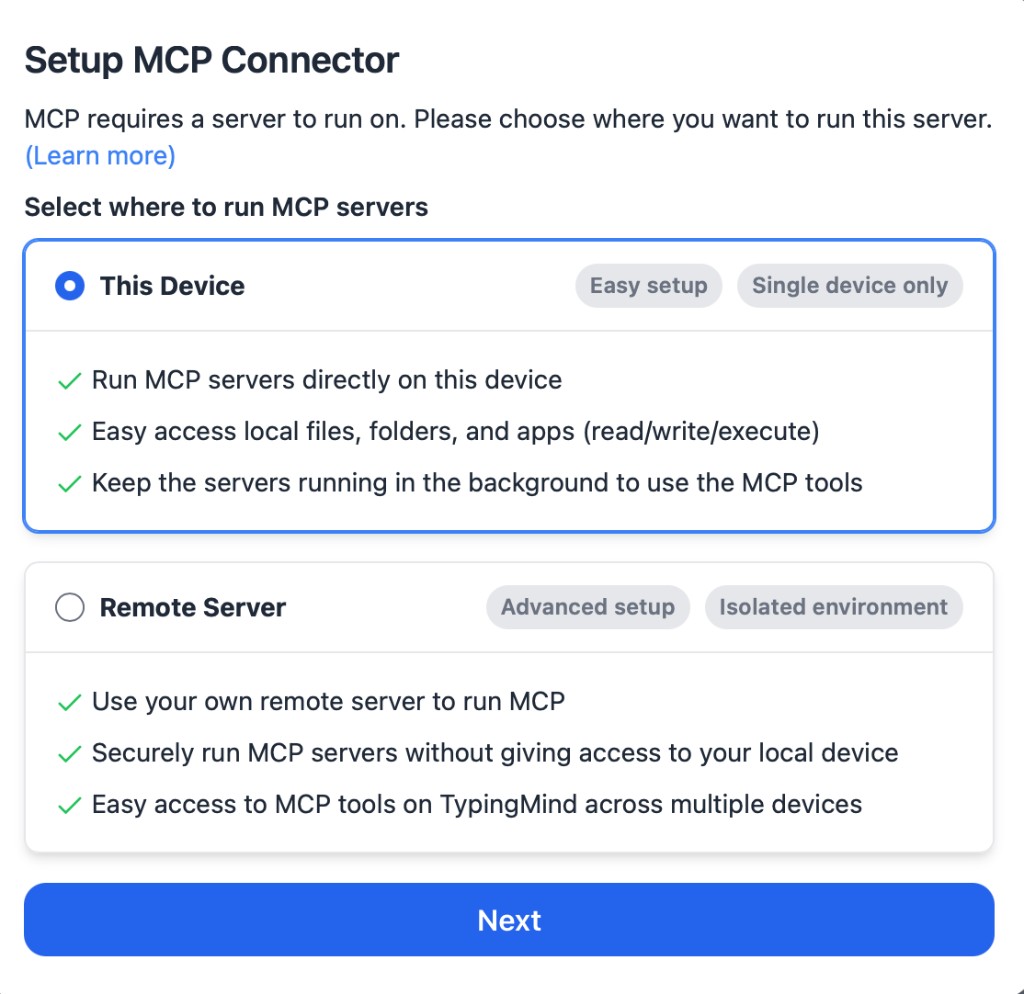
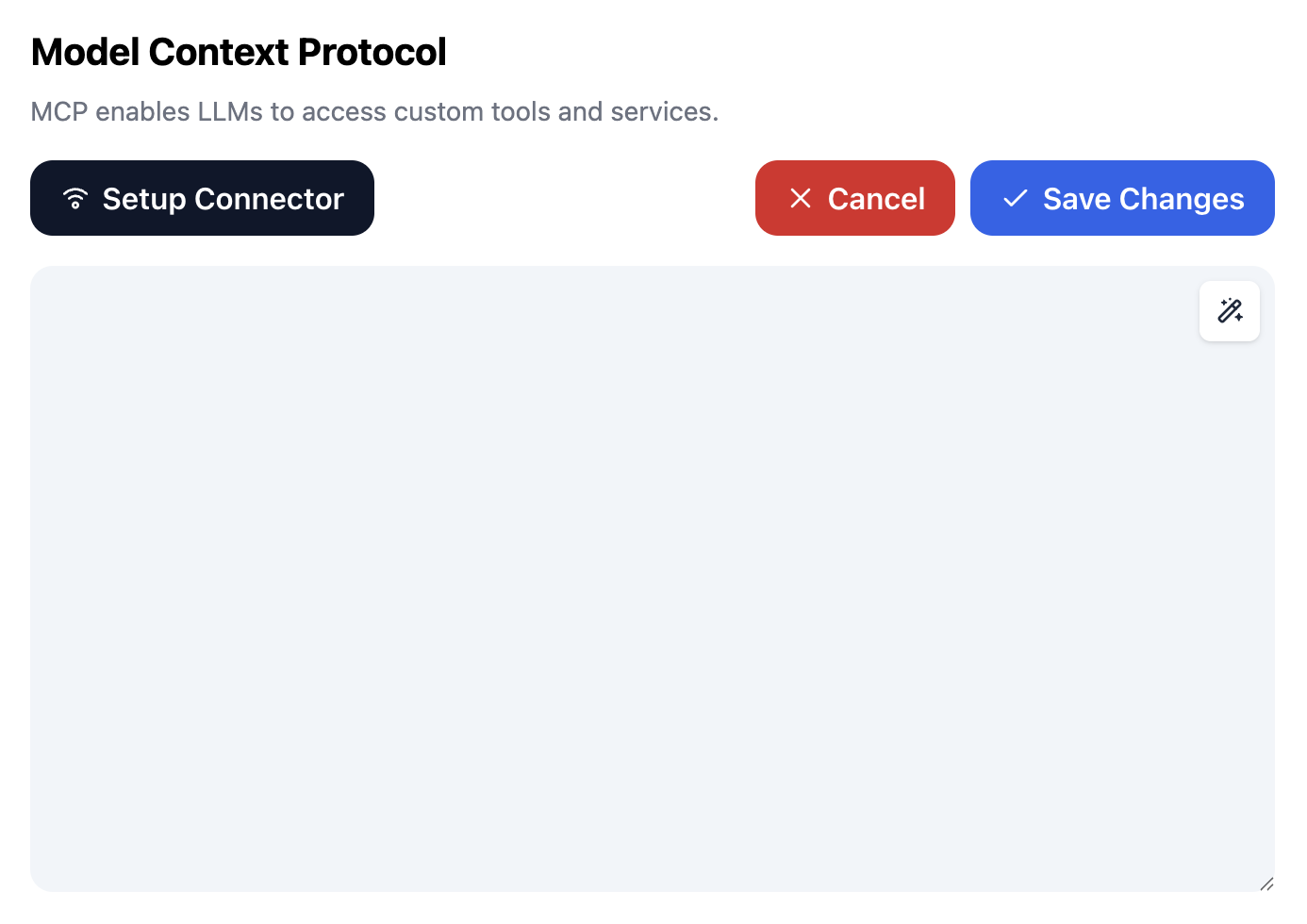
- Add to your MCP client configuration
- Use natural language: "Show me unread emails from today"
Installation
Add to your claude_desktop_config.json:
json{ "mcpServers": { "mcp-mail-server": { "command": "npx", "args": ["-y", "mcp-mail-server"], "env": { "IMAP_HOST": "your-imap-server.com", "IMAP_PORT": "993", "IMAP_SECURE": "true", "SMTP_HOST": "your-smtp-server.com", "SMTP_PORT": "465", "SMTP_SECURE": "true", "EMAIL_USER": "your-email@domain.com", "EMAIL_PASS": "your-password" } } } }
Add to your Cursor MCP settings:
json{ "mcpServers": { "mcp-mail-server": { "command": "npx", "args": ["-y", "mcp-mail-server"], "env": { "IMAP_HOST": "your-imap-server.com", "IMAP_PORT": "993", "IMAP_SECURE": "true", "SMTP_HOST": "your-smtp-server.com", "SMTP_PORT": "465", "SMTP_SECURE": "true", "EMAIL_USER": "your-email@domain.com", "EMAIL_PASS": "your-password" } } } }
Add using the claude mcp add command:
bashclaude mcp add mcp-mail-server \ -e IMAP_HOST=your-imap-server.com \ -e IMAP_PORT=993 \ -e IMAP_SECURE=true \ -e SMTP_HOST=your-smtp-server.com \ -e SMTP_PORT=465 \ -e SMTP_SECURE=true \ -e EMAIL_USER=your-email@domain.com \ -e EMAIL_PASS=your-password \ -- npx -y mcp-mail-server
Or manually add to .claude/settings.json:
json{ "mcpServers": { "mcp-mail-server": { "command": "npx", "args": ["-y", "mcp-mail-server"], "env": { "IMAP_HOST": "your-imap-server.com", "IMAP_PORT": "993", "IMAP_SECURE": "true", "SMTP_HOST": "your-smtp-server.com", "SMTP_PORT": "465", "SMTP_SECURE": "true", "EMAIL_USER": "your-email@domain.com", "EMAIL_PASS": "your-password" } } } }
Add to codex.json in your project root:
json{ "mcpServers": { "mcp-mail-server": { "command": "npx", "args": ["-y", "mcp-mail-server"], "env": { "IMAP_HOST": "your-imap-server.com", "IMAP_PORT": "993", "IMAP_SECURE": "true", "SMTP_HOST": "your-smtp-server.com", "SMTP_PORT": "465", "SMTP_SECURE": "true", "EMAIL_USER": "your-email@domain.com", "EMAIL_PASS": "your-password" } } } }
Other MCP clients can be configured similarly. The core configuration is:
json{ "mcpServers": { "mcp-mail-server": { "command": "npx", "args": ["-y", "mcp-mail-server"], "env": { "IMAP_HOST": "your-imap-server.com", "IMAP_PORT": "993", "IMAP_SECURE": "true", "SMTP_HOST": "your-smtp-server.com", "SMTP_PORT": "465", "SMTP_SECURE": "true", "EMAIL_USER": "your-email@domain.com", "EMAIL_PASS": "your-password" } } } }
Refer to your specific client's documentation for the appropriate configuration file location.
Available Tools
| Tool | Description |
|---|---|
connect_all | Connect to both IMAP and SMTP servers |
get_connection_status | Check connection status and server info |
disconnect_all | Disconnect from all servers |
open_mailbox | Open specific mailbox/folder |
list_mailboxes | List available mail folders |
get_message_count | Get total message count in current mailbox |
get_unseen_messages | Get all unread emails |
get_recent_messages | Get recent emails |
search_by_sender | Find emails from specific sender |
search_by_subject | Search by subject keywords |
search_by_recipient | Find emails sent to specific recipient |
search_by_body | Search message body content |
search_since_date | Find emails since date |
search_unread_from_sender | Find unread emails from specific sender |
search_unreplied_from_sender | Find unreplied emails from specific sender |
search_with_keyword | Search emails by keyword/flag |
search_all_messages | Search all messages with optional date range and limit |
get_message | Retrieve email by UID |
get_messages | Retrieve multiple emails |
delete_message | Delete email by UID |
send_email | Send email via SMTP (with optional attachments) |
reply_to_email | Reply to specific email |
get_attachments | Get attachment metadata for an email |
save_attachment | Download and save attachments to local files |
Connection Management
- connect_all: No parameters required
- get_connection_status: No parameters required
- disconnect_all: No parameters required
Mailbox Operations
- open_mailbox:
mailboxName(string, default: "INBOX"),readOnly(boolean) - list_mailboxes: No parameters required
Search Operations
- search_by_sender:
sender(string, email address),startDate(string, optional),endDate(string, optional) - search_by_subject:
subject(string, keywords),startDate(string, optional),endDate(string, optional) - search_by_recipient:
recipient(string, email address),startDate(string, optional),endDate(string, optional) - search_by_body:
text(string, search text),startDate(string, optional),endDate(string, optional) - search_since_date:
date(string, date format) - search_unread_from_sender:
sender(string, email address),startDate(string, optional),endDate(string, optional) - search_unreplied_from_sender:
sender(string, email address),startDate(string, optional),endDate(string, optional),limit(number, optional) - search_with_keyword:
keyword(string, keyword),startDate(string, optional),endDate(string, optional) - search_all_messages:
startDate(string, optional),endDate(string, optional),limit(number, optional, default: 50)
Message Operations
- get_message_count: No parameters required
- get_unseen_messages: No parameters required
- get_recent_messages: No parameters required
- get_message:
uid(number),markSeen(boolean, optional) - get_messages:
uids(array),markSeen(boolean, optional) - delete_message:
uid(number)
Email Sending
- send_email:
to(string),subject(string),text(string, optional),html(string, optional),cc(string, optional),bcc(string, optional),attachments(string[], optional, absolute file paths) - reply_to_email:
originalUid(number),text(string),html(string, optional),replyToAll(boolean, optional),includeOriginal(boolean, optional)
Attachment Operations
- get_attachments:
uid(number) — Returns metadata: filename, contentType, size, index - save_attachment:
uid(number),savePath(string, absolute path),attachmentIndex(number, optional, 0-based),returnBase64(boolean, optional, default: false)
Usage Examples
Use natural language commands with your AI assistant:
Basic Operations
- "Connect to my email servers"
- "Show me all unread emails"
- "Search for emails from boss@company.com"
- "Send an email to team@company.com about the meeting"
- "Reply to email with UID 123"
Advanced Searches
- "Find emails with 'urgent' in the subject from last week"
- "Show me unreplied emails from boss@company.com"
- "Search emails sent to team@company.com"
- "Get all emails from the Sales folder"
- "Show unread emails from boss@company.com"
- "Show me all emails from the last 7 days"
- "List all messages, limit to 20"
Email Management
- "Delete the email with UID 123"
- "Mark recent emails as read"
- "List all my email folders"
Attachment Operations
- "Show me the attachments of email UID 456"
- "Save all attachments from email UID 456 to D:/Downloads"
- "Download the first attachment from email UID 789"
- "Send an email to team@company.com with attachment D:/report.pdf"
Configuration
Environment Variables
⚠️ All variables are required
| Variable | Description | Example |
|---|---|---|
IMAP_HOST | IMAP server address | imap.gmail.com |
IMAP_PORT | IMAP port number | 993 |
IMAP_SECURE | Enable TLS | true |
SMTP_HOST | SMTP server address | smtp.gmail.com |
SMTP_PORT | SMTP port number | 465 |
SMTP_SECURE | Enable SSL | true |
EMAIL_USER | Email username | your-email@gmail.com |
EMAIL_PASS | Email password/app password | your-app-password |
Common Email Providers
bashIMAP_HOST=imap.gmail.com IMAP_PORT=993 IMAP_SECURE=true SMTP_HOST=smtp.gmail.com SMTP_PORT=465 SMTP_SECURE=true EMAIL_USER=your-email@gmail.com EMAIL_PASS=your-app-password
Note: Use App Passwords instead of your regular password.
bashIMAP_HOST=outlook.office365.com IMAP_PORT=993 IMAP_SECURE=true SMTP_HOST=smtp.office365.com SMTP_PORT=587 SMTP_SECURE=true EMAIL_USER=your-email@outlook.com EMAIL_PASS=your-password
Security Notes
- Use App Passwords: Enable 2FA and use app-specific passwords when available
- TLS/SSL Required: Always use secure connections (IMAP_SECURE=true, SMTP_SECURE=true)
- Environment Variables: Never hardcode credentials in configuration files
Development
-
Clone the repository:
bashgit clone https://github.com/yunfeizhu/mcp-mail-server.git cd mcp-mail-server -
Install dependencies:
bashnpm install -
Build the project:
bashnpm run build -
Set environment variables:
bashexport IMAP_HOST=your-imap-server.com export IMAP_PORT=993 export IMAP_SECURE=true export SMTP_HOST=your-smtp-server.com export SMTP_PORT=465 export SMTP_SECURE=true export EMAIL_USER=your-email@domain.com export EMAIL_PASS=your-password -
Run the server:
bashnpm start
Contributing
Contributions are welcome! Please feel free to submit a Pull Request.
License
MIT License - see LICENSE file for details.
Package Information:
- Package:
mcp-mail-server - Node.js: ≥18.0.0
- Repository: GitHub
- Issues: Report bugs