GrokSearch-rs

A lightweight Rust MCP server for Grok / OpenAI‑compatible web search, backed by an ordered source chain — Tavily, Exa, TinyFish, Firecrawl — for supplemental sources, fetch, and map.
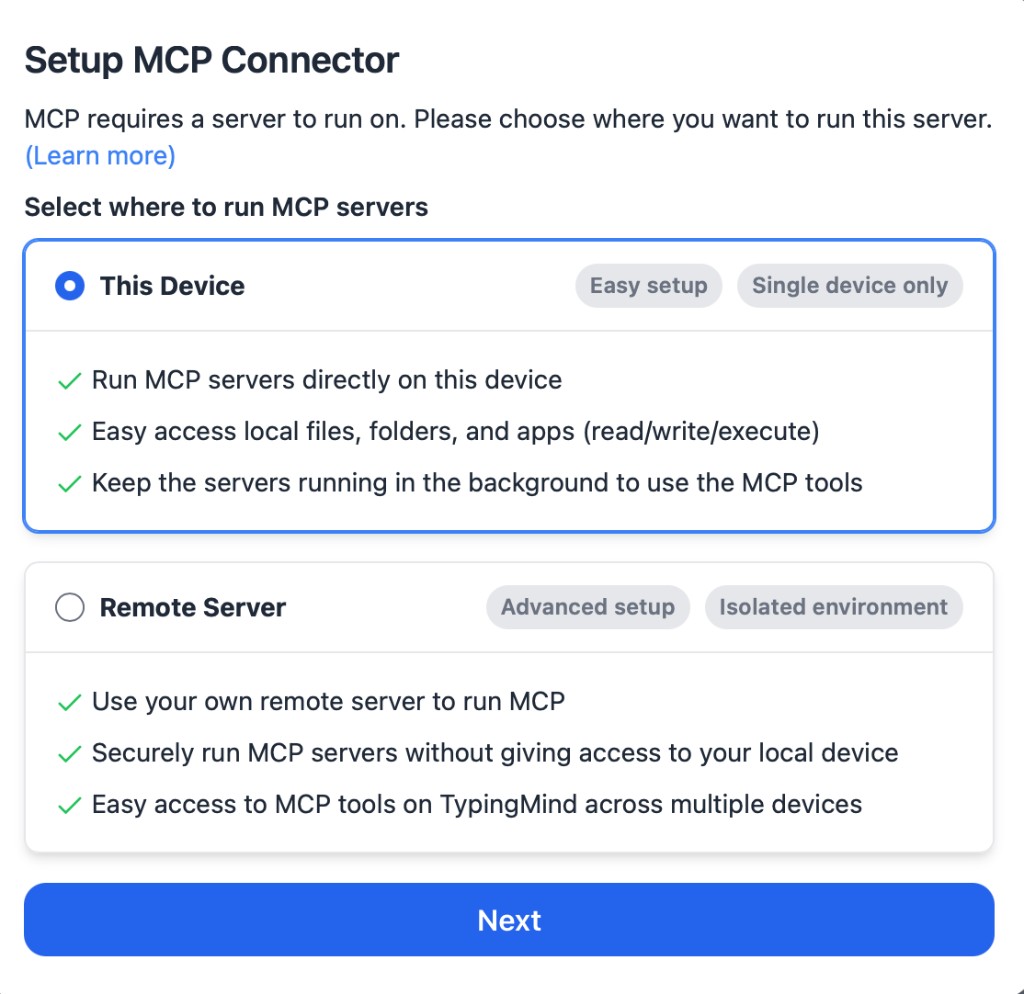
grok-search-rs is an MCP server — run it locally over stdio (your client launches it; you do not run it directly) or as a remote Streamable HTTP service for mobile / multi‑device access (see self-hosting). It exposes one set of tools (web_search, get_sources, web_fetch, web_map, doctor) and supports two upstream transports so you can plug into either xAI's official API or any OpenAI‑compatible relay.
Features
- 🔎 Live web search with cited sources, cached for follow‑up
get_sourcescalls. Opt‑ininclude_contentenriches the top sources with full extracted text in one call. - 📏 Response budgeting —
web_searchkeeps responses inside agent context limits: only the topmax_inline_sourcescarry inline text, a whole‑response char budget (response_max_chars, default 45k — sized to stay under the MCP client token ceiling after JSON serialization) trims tail sources with recovery notes,response_format: "concise" | "detailed"picks the payload size, andget_sourcespages through cached sources withoffset/limit. The session cache always keeps full content. - 🧩 Structured
web_fetch— GitHub issues/PRs/releases, StackExchange/MathOverflow, arXiv, and Wikipedia URLs are parsed by specialist extractors into clean Markdown (title, state/labels, release notes, accepted‑answer ordering, abstracts, vote‑sorted answers). Specialist extractors need no API key. Anything else falls back to the generic source chain (Tavily → Exa → TinyFish → Firecrawl, as configured) — so with no source provider configured, ordinary URLs cannot be fetched at all, only the specialist families above. Output carriessource_typeand afallback_reasonwhen a specialist was skipped. - 🔀 Two transports — native xAI Responses (
/v1/responses) or any OpenAI‑compatible chat‑completions gateway (/v1/chat/completions). Pick by env vars; no flag. - 🔐 Optional Grok OAuth mode —
login/status/logoutcommands store a local xAI OAuth token for Responses auth, so the MCP server can run withoutGROK_SEARCH_API_KEY. - 🌐 Optional remote mode — build with
--features httpto serve the same tools over Streamable HTTP (multi‑tenant, bring‑your‑own‑key via request headers) for mobile / multi‑device access. See self-hosting. - 📥 Pluggable source chain — supplemental sources and generic fetch walk an ordered provider chain: Tavily (RAG‑tuned search + extract + map), Exa (semantic search, native domain/date filters), TinyFish (free search + JS‑rendering fetch), Firecrawl (robust scrape fallback). First provider with results wins;
GROK_SEARCH_SOURCE_PROVIDERSreorders.TAVILY_API_KEYaccepts a comma‑separated key list — keys rotate round‑robin with automatic failover on rate/quota errors. - 🐦 Optional X/Twitter search via
x_search(Responses transport only). - 🚦 Concurrent stdio requests — up to 8 tool calls are handled at once; anything beyond that queues rather than being refused. Responses come back in completion order, paired to requests by JSON‑RPC
id. - 🩺
doctor— connectivity probe + redacted config in one tool call, including whether your config file was found, loaded, or rejected (and why). - 🗂 Single global config file so multiple MCP clients share one set of keys.
Install
bashnpm install -g grok-search-rs
The npm package ships a native Rust binary; the grok-search-rs command is what your MCP client launches.
Quick Start
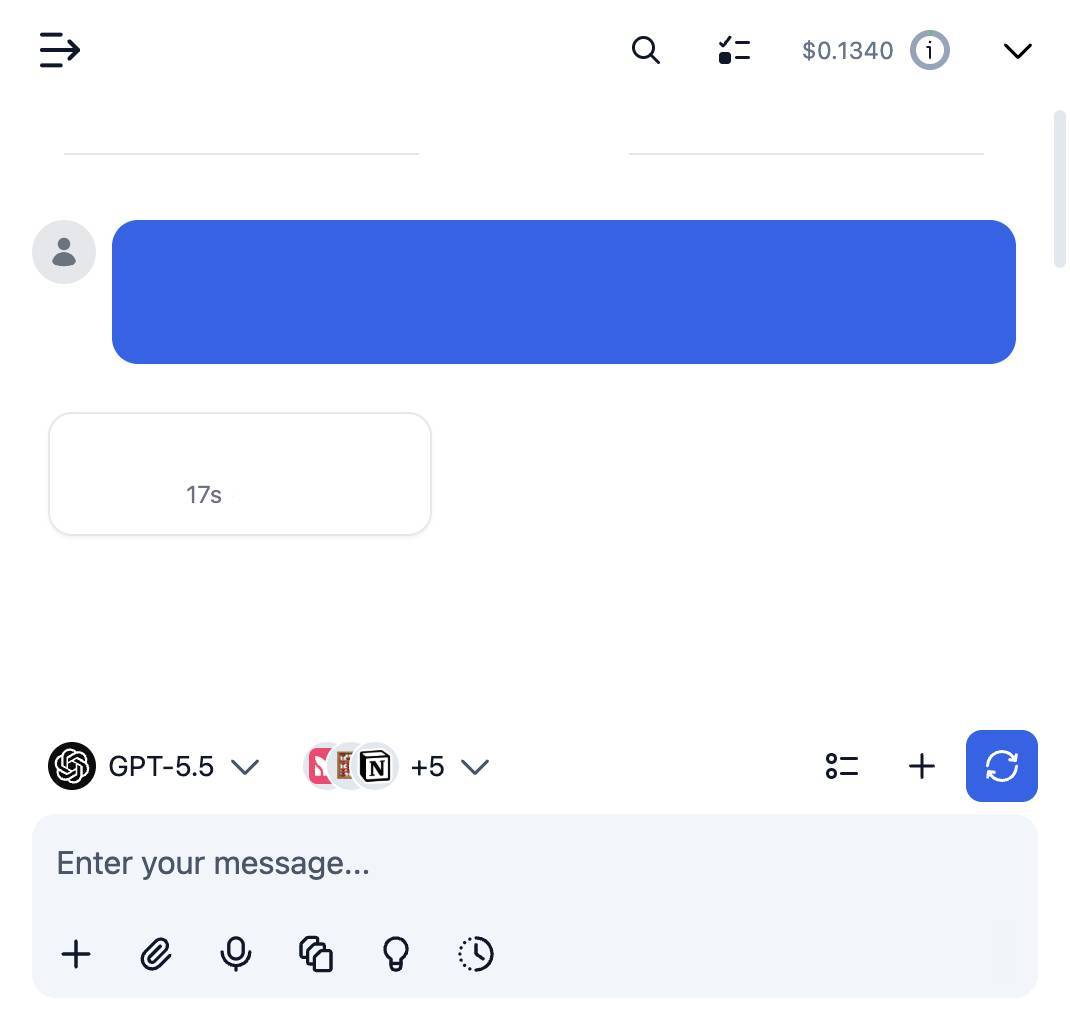
Option A — use the hosted instance (no install). Point any MCP client that supports remote HTTP + custom headers at the public endpoint and pass your own keys as headers:
bashclaude mcp add --transport http grok-search https://mcp.episkeyai.com/groksearch_rs/mcp \ --header "X-Grok-Api-Key: xai-..." \ --header "X-Tavily-Api-Key: tvly-..."
The default gateway is xAI official (api.x.ai) — use an xAI key. For any other Grok‑compatible
gateway, add --header "X-Grok-Base-Url: https://your-gateway.example/v1" with a matching key, and
optionally --header "X-Grok-Model: <model>" (model ids are gateway‑specific). No keys are stored
server-side; best-effort availability. Prefer your own server? See self-hosting.
Option B — install locally (stdio).
-
After
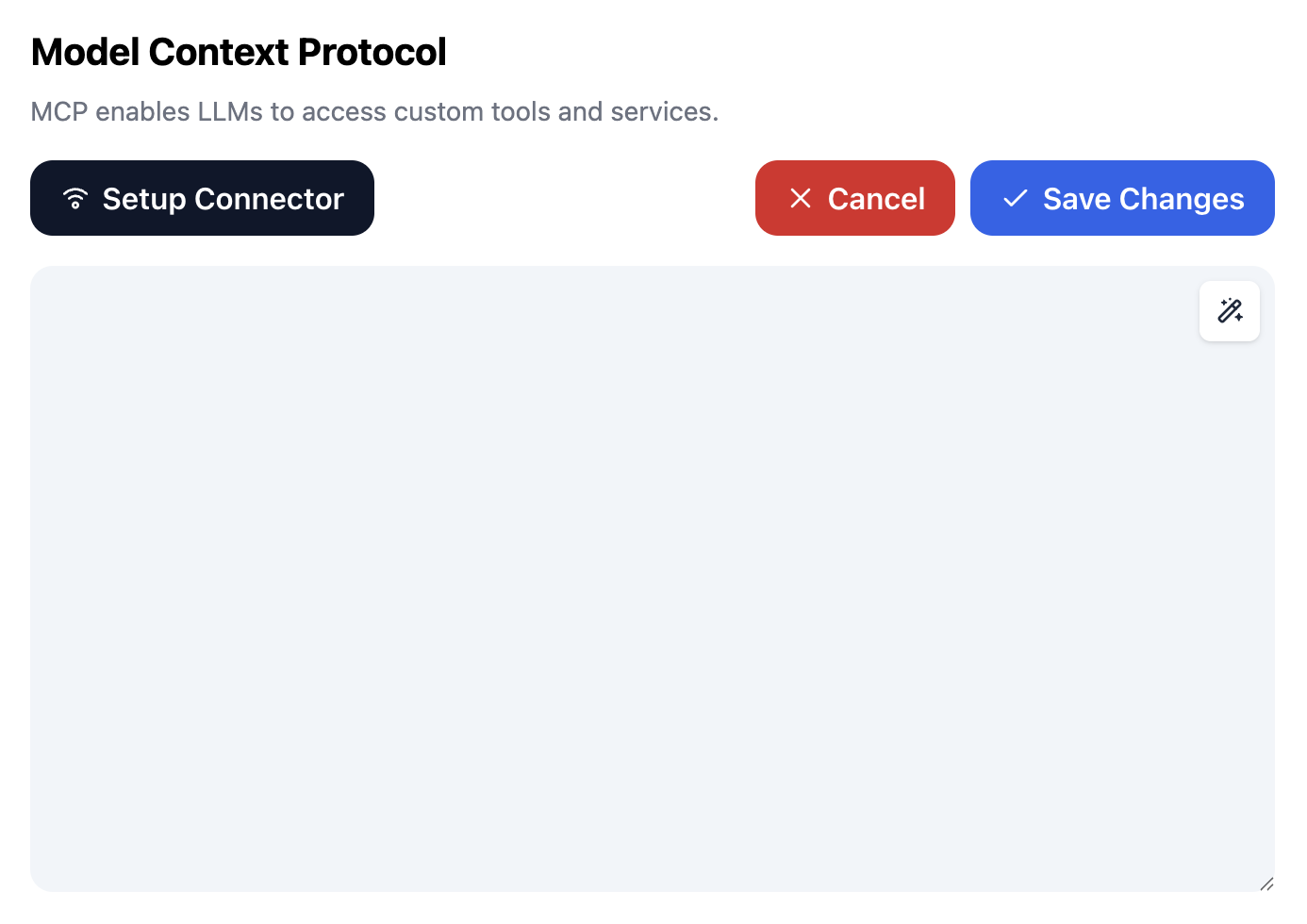
npm install -g grok-search-rs, add this MCP server entry to your client config:json{ "grok-search-rs": { "command": "grok-search-rs", "args": [], "env": { "GROK_SEARCH_API_KEY": "", "GROK_SEARCH_URL": "", "GROK_SEARCH_MODEL": "grok-4.20-fast", "TAVILY_API_KEY": "", "TAVILY_API_URL": "https://api.tavily.com", "FIRECRAWL_API_KEY": "" } } }For Codex TOML config:
toml[mcp_servers.grok-search-rs] type = "stdio" command = "grok-search-rs" [mcp_servers.grok-search-rs.env] FIRECRAWL_API_KEY = "" GROK_SEARCH_API_KEY = "" GROK_SEARCH_MODEL = "grok-4.20-fast" GROK_SEARCH_URL = "" TAVILY_API_KEY = "" TAVILY_API_URL = "https://api.tavily.com"Put your real keys in the empty values. If your client expects a top-level
mcpServers/mcp_serversobject, place thegrok-search-rsentry under that section. -
Optional: scaffold a shared global config file instead of duplicating env blocks in every MCP client:
bashgrok-search-rs --init $EDITOR ~/.config/grok-search-rs/config.toml -
Verify:
textAsk your assistant: "call doctor"Successful output shows
reachable: truefor each enabled upstream andtransport: Responses(orChatCompletions).
Configuration
The MCP transport decides how config reaches the server — same values, different channel (forced by the transport, not a project setting):
- stdio (local): environment variables — the
envblock in your MCP client config. - remote HTTP: per-request HTTP headers — the server stores no keys.
| Setting | stdio env | remote header |
|---|---|---|
| Grok API key | GROK_SEARCH_API_KEY | X-Grok-Api-Key |
| Grok gateway URL | GROK_SEARCH_URL | X-Grok-Base-Url |
| Grok model | GROK_SEARCH_MODEL | X-Grok-Model |
| Tavily API key | TAVILY_API_KEY | X-Tavily-Api-Key |
| Firecrawl API key | FIRECRAWL_API_KEY | X-Firecrawl-Api-Key |
| TinyFish API key | TINYFISH_API_KEY | X-Tinyfish-Api-Key |
| Exa API key | EXA_API_KEY | X-Exa-Api-Key |
| GitHub token | GITHUB_TOKEN | X-GitHub-Token |
The tables below use env-key names (they also drive config.toml / stdio); on the remote transport send the header from the row above. Full reference and per-transport examples: docs/CONFIGURATION.md. All source-provider keys (Tavily / Exa / TinyFish / Firecrawl) are shared across transports.
A. Native Grok Responses (default)
| Variable | Default | Purpose |
|---|---|---|
GROK_SEARCH_AUTH_MODE | api_key | api_key uses GROK_SEARCH_API_KEY; oauth uses the local token from grok-search-rs login. |
GROK_SEARCH_API_KEY | — (required in api_key mode) | Bearer token for the Grok / xAI gateway. |
GROK_SEARCH_AUTH_FILE | <home>/.config/grok-search-rs/auth.json | Optional OAuth token file override. |
GROK_SEARCH_URL | https://api.x.ai | Root, /v1, or full‑endpoint URL. |
GROK_SEARCH_MODEL | grok-4-1-fast-reasoning | Model name. |
GROK_SEARCH_WEB_SEARCH | true | Offer web_search tool to Grok. |
GROK_SEARCH_X_SEARCH | false | Offer x_search tool (X/Twitter) to Grok. |
Verified upstream: xAI (https://api.x.ai, both tools). Other Grok‑compatible gateways work with a matching key; x_search availability depends on the gateway.
OAuth mode is a single-binary flow:
bashgrok-search-rs login grok-search-rs status grok-search-rs logout
Then configure your MCP client with:
toml[mcp_servers.grok-search-rs] command = "grok-search-rs" [mcp_servers.grok-search-rs.env] GROK_SEARCH_AUTH_MODE = "oauth" GROK_SEARCH_MODEL = "grok-4.3" GROK_SEARCH_WEB_SEARCH = "true"
OAuth mode reuses Hermes' xAI OAuth client id and stores auth.json locally. That may violate xAI terms or affect your account; do not share the token file. If xAI changes or blocks that OAuth flow, switch back to api_key mode.
B. OpenAI‑compatible chat/completions
Activate by setting the URL and key while leaving GROK_SEARCH_API_KEY unset. Suitable for any OpenAI‑compatible relay (one‑api, vLLM, LiteLLM, marybrown, Perplexity‑style gateways, etc.).
| Variable | Default | Purpose |
|---|---|---|
OPENAI_COMPATIBLE_API_URL | — | Root, /v1, or full‑endpoint URL. |
OPENAI_COMPATIBLE_API_KEY | — | Bearer token for the relay. |
OPENAI_COMPATIBLE_MODEL | falls back to GROK_SEARCH_MODEL | Model name to send. |
Notes:
GROK_SEARCH_WEB_SEARCH=true(default) appendstools:[{"type":"web_search"}]to the payload. Relays that auto‑search server‑side simply ignore it.GROK_SEARCH_X_SEARCH=trueis silently ignored on this transport (a one‑line stderr warning prints at startup).x_searchonly exists on the Responses API.- Source extraction reads four parallel paths and de‑duplicates by URL: OpenAI
annotations[].url_citation, Perplexity‑stylecitations, top‑levelsearch_sources[], and inline[[n]](url)markers.
Source providers (shared)
| Variable | Default | Purpose |
|---|---|---|
TAVILY_API_KEY | — (required for web_map) | Tavily key. Comma‑separated list rotates round‑robin with failover on HTTP 401/403/429/432/433. |
TAVILY_API_URL | https://api.tavily.com | Tavily base. |
GROK_SEARCH_EXTRA_SOURCES | 3 | Extra chain‑served sources after a Grok answer (0 disables). |
GROK_SEARCH_FALLBACK_SOURCES | 5 | Fallback source count when the AI step can't verify itself. |
FIRECRAWL_API_KEY | unset | Enables Firecrawl as web_fetch / source fallback. |
FIRECRAWL_API_URL | https://api.firecrawl.dev | Firecrawl base; defaults to /v2, preserving explicit /v1 or /v2 and gateway prefixes. |
TINYFISH_API_KEY | unset | Enables TinyFish (free search + JS‑rendering fetch) in the chain. |
EXA_API_KEY | unset | Enables Exa (semantic search, native filters) in the chain. |
GROK_SEARCH_SOURCE_PROVIDERS | unset | Explicit chain order, e.g. tinyfish,tavily,firecrawl. Unset = canonical order tavily, exa, tinyfish, firecrawl over configured providers. |
GROK_SEARCH_CACHE_SIZE | 256 | Max cached web_search sessions. |
GROK_SEARCH_TIMEOUT_SECONDS | 60 | HTTP timeout for all upstreams. |
GROK_SEARCH_FETCH_MAX_CHARS | unset | Default char cap on web_fetch. |
GROK_SEARCH_MAX_INLINE_SOURCES | 5 | Max web_search sources carrying inline content; the rest are metadata‑only. |
GROK_SEARCH_RESPONSE_MAX_CHARS | 45000 | Whole‑response char budget for web_search; over‑budget output is truncated tail‑first with truncated: true. Sized to keep the serialized result under the MCP client token ceiling (Claude Code default MAX_MCP_OUTPUT_TOKENS=25000). |
Source extraction (web_fetch specialists / web_search enrichment)
| Variable | Default | Purpose |
|---|---|---|
GITHUB_TOKEN | unset | Authenticates GitHub issue/PR/release fetches (higher API rate limit; private repos). Specialist works unauthenticated but is rate‑limited. |
GROK_SEARCH_SOURCE_MAX_ANSWERS | 5 | StackExchange answers rendered before folding. |
GROK_SEARCH_SOURCE_MAX_COMMENTS | 30 | GitHub / StackExchange comments rendered before folding. |
GROK_SEARCH_ENRICH_CONCURRENCY | 3 | Parallel source enrichments for web_search include_content (clamped 1..5). |
GROK_SEARCH_ENRICH_MAX_CHARS | 15000 | Char cap per enriched source body. |
These specialists need no Tavily/Firecrawl key — they hit the public GitHub, StackExchange, arXiv, and Wikipedia APIs directly. Tavily/Firecrawl are only used for the generic fallback path.
Selection rules at startup
- If
GROK_SEARCH_AUTH_MODE=oauth→ Responses transport with the local OAuth token. - Else if
GROK_SEARCH_API_KEYis set → Responses transport with a static Bearer key. - Else if both
OPENAI_COMPATIBLE_API_URLandOPENAI_COMPATIBLE_API_KEYare set → ChatCompletions transport. - Else → server fails with a clear
MissingConfigerror.
Global config file
Tired of duplicating env blocks across clients? Run grok-search-rs --init once to scaffold <home>/.config/grok-search-rs/config.toml, fill in your keys, and every client can shrink to {"command": "grok-search-rs"}.
| Path order | Location |
|---|---|
| 1 | $GROK_SEARCH_CONFIG (explicit override, any platform) |
| 2 | $HOME/.config/grok-search-rs/config.toml (Unix / macOS / Git Bash) |
| 3 | %USERPROFILE%\.config\grok-search-rs\config.toml (native Windows) |
Precedence: per‑client env > config file > built‑in defaults. File keys are lowercase snake_case (env GROK_SEARCH_MODEL → file grok_model). Unknown keys are rejected. Full reference: docs/CONFIGURATION.md.
MCP Tools
| Tool | When to call it |
|---|---|
web_search | Sourced summary for a topic. Sources cached for follow‑up. response_format: "concise" returns answer + metadata only; "detailed" inlines source text within the response budget. |
get_sources | Re‑fetch sources of a previous web_search by session_id. Supports offset / limit pagination for large source sets. |
web_fetch | Page content as clean Markdown. Key‑free specialist extractors for GitHub / StackExchange / arXiv / Wikipedia; every other URL goes through the source chain, which needs at least one provider key. Returns source_type + fallback_reason. |
web_map | Discover URLs on a domain via Tavily Map. |
doctor | Live connectivity probe + redacted config, plus the config file's path and whether it was absent / loaded / rejected. Run first when something looks off. |
Self-hosting (remote HTTP)
Besides the default stdio mode, grok-search-rs can run as a remote, multi‑tenant
Streamable HTTP MCP server so mobile / on‑the‑go / multi‑device clients can reach it over
the network. It is opt‑in behind the http Cargo feature — the default build is
unchanged (pure stdio, no HTTP dependencies linked in).
Bring‑your‑own‑key, zero shared credentials. The server stores no API keys. Each request carries the caller's own keys as headers, so many users can share one endpoint and each pays with their own keys:
X-Grok-Api-Key,X-Tavily-Api-Key,X-Firecrawl-Api-Key(optionalX-GitHub-Token)- Optional non‑secret overrides:
X-Grok-Base-Url(gateway),X-Grok-Model(model name, since model ids are gateway‑specific)
This cuts both ways: setting TAVILY_API_KEY / FIRECRAWL_API_KEY in the server's own
environment (compose file, .env, systemd unit) has no effect — those are stripped from every
per‑request config, so requests that don't carry the header run with no source fallback at all.
The server logs a warning at startup for each such variable it finds.
A missing required key returns 401 (fail‑closed); OAuth is rejected on this transport
(stdio only). The operator sets the default Grok‑compatible gateway via GROK_SEARCH_URL
(default https://api.x.ai), and callers may point at any other Grok‑compatible gateway with an
X-Grok-Base-Url header (any public gateway is honored; internal/private addresses are rejected).
The remote transport uses the Grok Responses API only; the OpenAI-compatible chat-completions transport is stdio-only.
No local build needed. Every release ships ready‑to‑run server artifacts for Linux
x86_64 + aarch64 (static musl) — ideal for low‑RAM/small‑disk boards where a native
cargo build would OOM or fill the disk:
- Prebuilt binary — download
grok-search-rs-http_Linux_<arch>.tar.gzfrom the latest release and runGROK_MCP_BIND=0.0.0.0:8080 ./grok-search-rs --http. (The plaingrok-search-rs_…assets are stdio‑only: the HTTP transport is compile‑time gated and not in them.) - Docker image — multi‑arch
amd64/arm64:docker pull ghcr.io/episkey-g/grok-search-rs:latest(serves on:8080).
Building from source instead:
bashcargo build --profile release-http --features http # release-http => panic=unwind (handler panic won't kill the server) GROK_MCP_BIND=127.0.0.1:8080 target/release-http/grok-search-rs --http # bind loopback; terminate TLS upstream
Put a TLS‑terminating reverse proxy (e.g. Caddy) in front. The repo ships a Dockerfile,
Dockerfile.deploy (runtime‑only, multi‑arch amd64/arm64 — cross‑compile the binaries
first with scripts/build-deploy-dist.sh; ideal for low‑RAM hosts), docker-compose.yml, and Caddyfile
for a one‑command deploy with automatic HTTPS. Set MCP_HOSTNAME (your domain or a
<dashed-ip>.sslip.io name) via the environment or a git‑ignored .env — not in the
repo.
Connect a client the same way as the hosted instance (Quick Start), pointing
url at your own host (https://<your-host>/groksearch_rs/mcp).
Rotating a key
Keys are never stored server‑side, so rotation is entirely client‑side:
- stdio — update the key in your MCP client's
envblock (or the globalconfig.toml) and restart the client. - remote HTTP — update the header value in your client config. For Claude Code:
bash
claude mcp remove grok-search -s user claude mcp add --transport http grok-search https://<your-host>/groksearch_rs/mcp \ --header "X-Grok-Api-Key: <new-key>" --header "X-Tavily-Api-Key: <new-key>"
Rotate immediately if a key was ever printed, logged, or shared.
Build from source
bashgit clone https://github.com/Episkey-G/GrokSearch-rs.git cd GrokSearch-rs cargo build --release
The binary lands at target/release/grok-search-rs. Point your MCP client's command at the absolute path.
Development
bashcargo fmt --check cargo clippy --all-targets -- -D warnings cargo test
More docs:
⭐ Star History
Acknowledgements
- Inspired by GuDaStudio/GrokSearch — the original Python implementation that pioneered the Grok + Tavily + Firecrawl combo this project rewrites in Rust.
- Thanks to the LinuxDo community for the discussions, feedback, and the prior art that inspired this rewrite.
License
MIT — see LICENSE.