hostinger-api-mcp
Model Context Protocol (MCP) server for Hostinger API.
Quick start: Hosted remote server
If you don't want to install or run anything locally, connect directly to Hostinger's hosted MCP server:
https://mcp.hostinger.com
Claude Code
bashclaude mcp add --transport http hostinger https://mcp.hostinger.com
This opens a browser window to authorize via OAuth. Once approved, all tools below are available in your session.
Other MCP-compatible clients
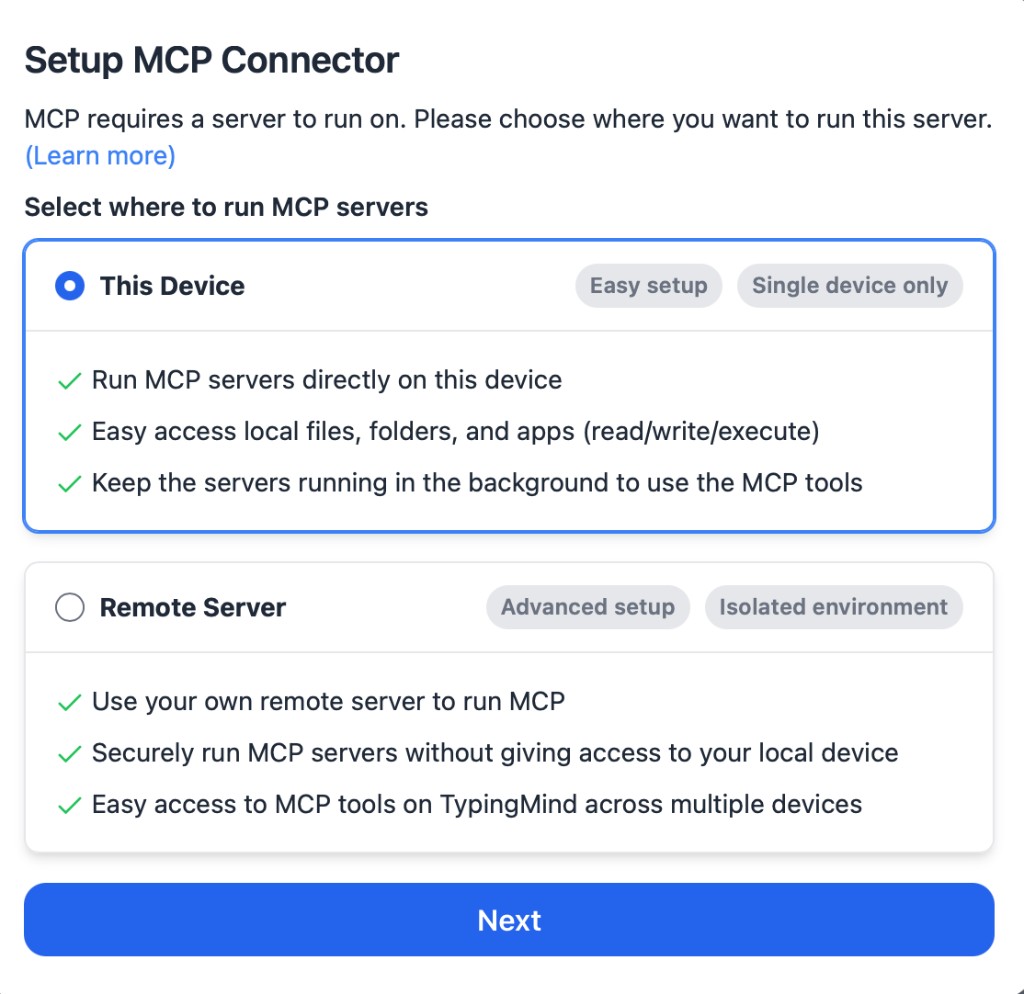
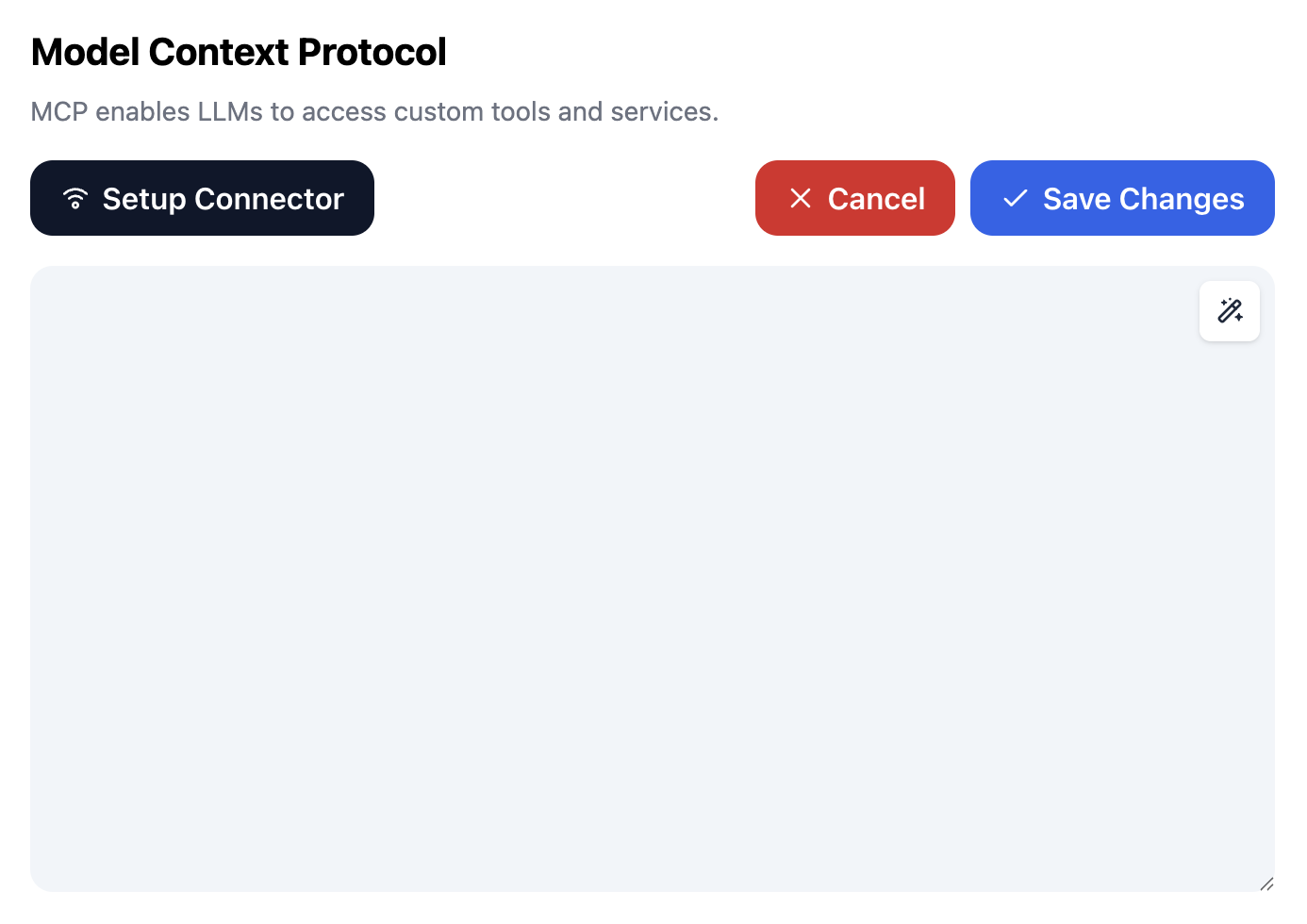
Add https://mcp.hostinger.com as a remote Streamable HTTP MCP server in your client's configuration and complete the OAuth prompt when it appears. Refer to your client's docs for how it exposes "add remote MCP server" / "custom connector" settings.
Prerequisites
- Node.js version 24 or higher
If you don't have Node.js installed, you can download it from the official website. Alternatively, you can use a package manager like Homebrew (for macOS) or Chocolatey (for Windows) to install Node.js.
We recommend using NVM (Node Version Manager) to install and manage installed Node.js versions. After installing NVM, you can install Node.js with the following command:
bashnvm install v24 nvm use v24
Installation
To install the MCP server, run one of the following command, depending on your package manager:
bash# Install globally from npm npm install -g @hostinger/mcp # Or with yarn yarn global add @hostinger/mcp # Or with pnpm pnpm add -g @hostinger/mcp
Update
To update the MCP server to the latest version, use one of the following commands, depending on your package manager:
bash# Update globally from npm npm update -g @hostinger/mcp # Or with yarn yarn global upgrade @hostinger/mcp # Or with pnpm pnpm update -g @hostinger/mcp
Binaries
This package installs the following MCP server commands:
hostinger-api-mcp— unified server with every tool (401 total)hostinger-agency-hosting-mcp— 42 tools for agency-hostinghostinger-billing-mcp— 9 tools for billinghostinger-dns-mcp— 8 tools for dnshostinger-domains-mcp— 41 tools for domainshostinger-ecommerce-mcp— 29 tools for ecommercehostinger-horizons-mcp— 6 tools for horizonshostinger-hosting-mcp— 74 tools for hostinghostinger-mail-mcp— 38 tools for mailhostinger-reach-mcp— 52 tools for reachhostinger-vps-mcp— 64 tools for vpshostinger-wordpress-mcp— 38 tools for wordpress
Pick the binary that matches your agent's scope. hostinger-api-mcp remains the backwards-compatible default.
Configuration
The following environment variables can be configured when running the server:
DEBUG: Enable debug logging (true/false) (default: false)HOSTINGER_API_TOKEN: Your API token, which will be sent in theAuthorizationheader. When set, OAuth is bypassed entirely.API_TOKEN: Deprecated alias forHOSTINGER_API_TOKEN. Will be removed in a future version — preferHOSTINGER_API_TOKEN.OAUTH_ISSUER: OAuth server base URL (default:https://auth.hostinger.com). Only used whenHOSTINGER_API_TOKENis not set.
Authentication
The server supports two authentication methods:
API Token (recommended for CI/scripts)
Set HOSTINGER_API_TOKEN in the environment or .env file. When present it always takes precedence — no OAuth code runs.
OAuth 2.0 with PKCE (interactive sign-in)
When HOSTINGER_API_TOKEN is not set and the server runs in stdio mode, OAuth 2.0 with PKCE is used automatically on the first authenticated tool call:
- A dynamic OAuth client is registered with the issuer (RFC 7591) — once per machine.
- A browser window opens to the authorization page.
- After sign-in, the server captures the redirect on a local ephemeral port, exchanges the code for tokens, and stores them.
- Subsequent calls reuse the stored access token; expired tokens are refreshed automatically. If a refresh token is revoked, the browser flow is re-launched.
Credentials are stored at:
- macOS / Linux:
~/.config/hostinger-mcp/credentials.json(mode 0600) - Windows:
%APPDATA%\hostinger-mcp\credentials.json
Credentials are shared across all Hostinger MCP binaries (hostinger-api-mcp, hostinger-vps-mcp, etc.).
Manual commands:
bash# Run the OAuth sign-in flow immediately (don't wait for the first tool call) hostinger-api-mcp --login # Revoke stored credentials hostinger-api-mcp --logout
HTTP transport note: OAuth sign-in is not supported in --http mode. Set HOSTINGER_API_TOKEN before using --http.
Usage
JSON configuration for Claude, Cursor, etc.
json{ "mcpServers": { "hostinger-api": { "command": "hostinger-api-mcp", "env": { "DEBUG": "false", "HOSTINGER_API_TOKEN": "YOUR API TOKEN" } } } }
Transport Options
The MCP server supports two transport modes:
Standard I/O Transport
The server can use standard input / output (stdio) transport (default). This provides local streaming:
Streamable HTTP Transport
The server can use HTTP streaming transport. This provides bidirectional streaming over HTTP:
bash# Default HTTP transport on localhost:8100 hostinger-api-mcp --http # Specify custom host and port hostinger-api-mcp --http --host 0.0.0.0 --port 8150
Command Line Options
Options: --http Use HTTP streaming transport (requires HOSTINGER_API_TOKEN env var) --stdio Use Server-Sent Events transport (default) --host {host} Hostname or IP address to listen on (default: 127.0.0.1) --port {port} Port to bind to (default: 8100) --login Run OAuth sign-in flow and exit --logout Revoke stored OAuth credentials and exit --help Show help message
Using as an MCP Tool Provider
This server implements the Model Context Protocol (MCP) and can be used with any MCP-compatible consumer.
Example of connecting to this server using HTTP streaming transport:
javascriptimport { Client } from "@modelcontextprotocol/sdk/client/index.js"; import { StreamableHTTPClientTransport } from "@modelcontextprotocol/sdk/client/streamableHttp.js"; // Create HTTP transport const transport = new StreamableHTTPClientTransport({ url: "http://localhost:8100/", headers: { "Authorization": `Bearer ${process.env.HOSTINGER_API_TOKEN}` } }); // Connect to the MCP server const client = new Client({ name: "my-client", version: "1.0.0" }, { capabilities: {} }); await client.connect(transport); // List available tools const { tools } = await client.listTools(); console.log("Available tools:", tools); // Call a tool const result = await client.callTool({ name: "billing_getCatalogItemListV1", arguments: { category: "DOMAIN" } }); console.log("Tool result:", result);
Available Tools
This MCP server provides the following tools:
hostinger-agency-hosting-mcp
agency-hosting_deployNodeStaticWebsite
Deploy a node-static Agency Plan (h5g) website from an archive file. WARNING: this overwrites the website's existing contents and cannot be undone — always confirm with the user before proceeding. Use this for Agency Plan websites of type node-static (a Node.js-built static site that requires a build step or a plain simple static site). The tool resolves the website from its domain, uploads the archive to the website's file browser over TUS, and triggers the build-assets process which builds the site and deploys the result to public_html. This operation is synchronous: the build and deployment complete before the tool returns, so the website is live as soon as the tool finishes successfully — there is no separate asynchronous build to wait for or poll. Upload credentials are generated and used internally — do not call a separate upload-url endpoint or upload the archive yourself, this tool does it end-to-end. For plain PHP applications that should be extracted as-is, use agencyHosting_deployPhpApplication instead. The website UID is automatically resolved from the domain.
- Method:
custom - Path:
custom
agency-hosting_deployPhpApplication
Deploy a PHP (or other non-build) Agency Plan (h5g) website from an archive file. WARNING: this overwrites the website's existing contents and cannot be undone — always confirm with the user before proceeding. Use this for Agency Plan websites where the archive contents should be extracted and served as-is with no build step (e.g., PHP applications). The tool resolves the website from its domain, uploads the archive to the website's file browser over TUS, and triggers the import-archive process which overwrites the website contents with the archive contents. This operation is synchronous: the archive is extracted and deployed before the tool returns, so the website is live as soon as the tool finishes successfully — there is no separate asynchronous build to wait for or poll. Upload credentials are generated and used internally — do not call a separate upload-url endpoint or upload the archive yourself, this tool does it end-to-end. For node-static websites that require a build step, use agencyHosting_deployNodeStaticWebsite instead. The website UID is automatically resolved from the domain.
- Method:
custom - Path:
custom
agency-hosting_listAvailableDatacentersV1
Lists the datacenters available for provisioning a new website on the given Agency Plan hosting order.
Each datacenter includes a pinger_url you can ping from the client to measure round-trip
latency; comparing the results across datacenters lets you pick the nearest one (lowest
ping) before choosing its code as the datacenter_code when creating a website setup.
- Method:
GET - Path:
/api/agency-hosting/v1/orders/{order_id}/datacenters
agency-hosting_changeWebsiteDomainV1
Changes the primary domain for an Agency Plan website.
Provide the current domain in the path and the new domain in the request body. Set domain to null to revert to the temporary domain.
- Method:
PUT - Path:
/api/agency-hosting/v1/websites/{website_uid}/domains/{from_domain}
agency-hosting_linkDomainToWebsiteV1
Links a domain to the specified Agency Plan website so it can serve traffic for that domain.
- Method:
POST - Path:
/api/agency-hosting/v1/websites/{website_uid}/domains
agency-hosting_listDomainsV1
Returns a paginated list of domains associated with Agency Plan websites accessible to the authenticated client.
Use the website_uuids filter to narrow results to specific websites.
- Method:
GET - Path:
/api/agency-hosting/v1/domains
agency-hosting_unlinkDomainFromWebsiteV1
Unlinks a domain from the specified Agency Plan website.
The website stops serving traffic on this domain immediately.
Website files and database are preserved, and any other linked domains remain accessible.
If this is the only domain on the website, unlinking leaves the website without an accessible domain.
- Method:
DELETE - Path:
/api/agency-hosting/v1/websites/{website_uid}/domains/{domain}
agency-hosting_generateUploadURLV1
Generate a file browser upload URL with authentication credentials for uploading files to an Agency Plan website's file storage.
Returns url, auth_key and rest_auth_key. Use these to upload a file to the
website's file storage via the TUS resumable upload protocol (TUS 1.0.0). Send
X-Auth: {auth_key} and X-Auth-Rest: {rest_auth_key} headers on every request below.
- Create the upload:
POSTto{url}/{relative_file_path}?override=truewith headersupload-length: {file size in bytes}andupload-offset: 0. Expect201 Created. - Upload the file: send the file bytes to the same location (any TUS 1.0.0 client, or
PATCHrequests with anupload-offsetheader tracking progress) until complete.
relative_file_path is the destination path inside the website's file storage, e.g.
app.zip.
Instead of a TUS client, plain curl also works:
FILE=app.zip SIZE=$(stat -f%z "$FILE") # stat -c%s on Linux curl -i -X POST "{url}/${FILE}?override=true" \ -H "X-Auth: {auth_key}" \ -H "X-Auth-Rest: {rest_auth_key}" \ -H "Tus-Resumable: 1.0.0" \ -H "Upload-Length: ${SIZE}" \ -H "Upload-Offset: 0" # -> 201 Created curl -i -X PATCH "{url}/${FILE}?override=true" \ -H "X-Auth: {auth_key}" \ -H "X-Auth-Rest: {rest_auth_key}" \ -H "Tus-Resumable: 1.0.0" \ -H "Content-Type: application/offset+octet-stream" \ -H "Upload-Offset: 0" \ --data-binary "@${FILE}" # -> 204 No Content, Upload-Offset response header equals SIZE when done
- Method:
POST - Path:
/api/agency-hosting/v1/websites/{website_uid}/files/upload-urls
agency-hosting_importWebsiteFromArchiveV1
Imports an Agency Plan website from an already-uploaded archive.
Upload the archive to the website's root directory via file browser first, then provide its filename in this request. Website contents are overwritten by the archive contents. Supported archive types: .zip, .tar, .tar.gz, .tgz.
- Method:
POST - Path:
/api/agency-hosting/v1/websites/{website_uid}/files/import-archive
agency-hosting_listAgencyPlanOrderDiskUsageMetricsV1
Returns aggregated disk and inode usage for the Agency Plan order over the selected time frame, plus the plan quotas. Figures cover the whole order account. Values may be up to one hour stale. CPU, memory, and process usage are on the resource-usage-metrics endpoint.
- Method:
GET - Path:
/api/agency-hosting/v1/orders/{order_id}/disk-usage-metrics
agency-hosting_listOrdersV1
Returns a paginated list of Agency Plan orders accessible to the authenticated client.
- Method:
GET - Path:
/api/agency-hosting/v1/orders
agency-hosting_listOrderResourceUsageMetricsV1
Returns aggregated CPU, memory, and process usage for the Agency Plan order over the selected time frame, plus the plan quotas and a per-website breakdown. Each website is identified by uid. Suspended and deleted websites are excluded from both the order totals and the per-website breakdown. Values may be up to one hour stale. Disk and inode usage are on the disk-usage-metrics endpoint.
- Method:
GET - Path:
/api/agency-hosting/v1/orders/{order_id}/resource-usage-metrics
agency-hosting_listPHPExtensionsForAWebsiteV1
Lists every PHP extension available to an Agency Plan website and whether it is currently enabled.
- Method:
GET - Path:
/api/agency-hosting/v1/websites/{website_uid}/php-settings/extensions
agency-hosting_replaceWebsitePHPExtensionsV1
Replaces the set of PHP extensions enabled on an Agency Plan website with the ones provided. Any toggleable extension not in the request is disabled, so call the extensions endpoint first and send the full desired set. Extensions compiled into PHP, reported with the "built-in" state, are always active and are unaffected.
- Method:
PUT - Path:
/api/agency-hosting/v1/websites/{website_uid}/php-settings/extensions
agency-hosting_listPHPOptionsForAWebsiteV1
Lists the php.ini directives that can be configured for an Agency Plan website, each with its default, the value currently in effect, and the values it accepts.
- Method:
GET - Path:
/api/agency-hosting/v1/websites/{website_uid}/php-settings/options
agency-hosting_replaceWebsitePHPOptionsV1
Replaces the custom php.ini values on an Agency Plan website with the ones provided. Any option not in the request is reset to its default, so call the options endpoint first and send the full desired set. Sending an empty array resets every option to its default.
- Method:
PUT - Path:
/api/agency-hosting/v1/websites/{website_uid}/php-settings/options
agency-hosting_listAvailablePHPVersionsForAnOrderV1
Lists the PHP versions available to websites created under an Agency Plan order, determined by the server the order is hosted on. Use this before creating a website; for a website that already exists, call the website-scoped versions endpoint instead.
- Method:
GET - Path:
/api/agency-hosting/v1/orders/{order_id}/websites/php-settings/versions
agency-hosting_listAvailablePHPVersionsForAWebsiteV1
Lists the PHP versions an Agency Plan website can be switched to. The version the website is currently running is returned as settings.php.version by the website details endpoint.
- Method:
GET - Path:
/api/agency-hosting/v1/websites/{website_uid}/php-settings/versions
agency-hosting_updateWebsitePHPVersionV1
Switches an Agency Plan website to a different PHP version. Call the available versions endpoint first to see which versions can be selected. The website restarts on the new version, so requests served during the switch may fail and code that is incompatible with the target version will break.
- Method:
PATCH - Path:
/api/agency-hosting/v1/websites/{website_uid}/php-settings/version
agency-hosting_createANewWebsiteV1
Provisions a new website on one of your Agency Plan hosting orders.
Choose the datacenter, stack (flavor), and PHP version for the site. Optionally attach
your own domain — omit it, set it to null, or leave it unavailable and a free
*.hostingersite.com subdomain is generated instead — and/or install WordPress by
supplying the wordpress details (admin account, site title, and language).
Common setups:
- Plain PHP site:
flavorset tophp-fpm, withsettings.php.version; omitwordpressandtype. - WordPress site:
flavorset to the desired WordPress version (e.g.wp-7.0), plus thewordpressblock (admin account, title, language). - Static/Node.js frontend app:
flavorset tophp-fpmandtypeset tonode-static.
Provisioning runs in the background, so the response returns immediately with a setup UUID that identifies the job. The new website becomes reachable once provisioning finishes.
- Method:
POST - Path:
/api/agency-hosting/v1/orders/{order_id}/websites/setups
agency-hosting_getWebsiteSetupStatusV1
Returns the current status of an Agency Plan website setup started via the setups endpoint.
Poll this endpoint using the setup_uuid returned from the provisioning request until
status becomes completed, at which point website_uid identifies the new website.
- Method:
GET - Path:
/api/agency-hosting/v1/orders/{order_id}/websites/setups/{setup_uuid}
agency-hosting_reinstallWebsiteSSLV1
Replaces the Let's Encrypt certificate of the domain: the current platform certificate, when
one is recorded, is revoked and removed, then a new setup starts in the background. Returns at
once; Get website SSL status reports installing while it runs, then active or failed.
Returns 422 for free subdomains, when a certificate process is recorded for the domain (a failed setup counts until it is cleaned up), or when the domain hit its limit of three setups per seven days. Returns 429 when the same domain was requested less than a minute ago, and 403 when the website is suspended or locked, and 404 when the website or the domain does not exist.
- Method:
POST - Path:
/api/agency-hosting/v1/websites/{website_uid}/domains/{domain}/ssl/reinstall
agency-hosting_installWebsiteSSLV1
Starts a Let's Encrypt certificate setup for the domain and returns at once; the setup runs in
the background. Get website SSL status reports installing while it runs, then active or
failed; the ssl_setup entry of List website processes shows the same progress.
Returns 422 when the domain already has a platform certificate that is not expired, when a certificate process is recorded for the domain (a failed setup counts until it is cleaned up), or when the domain hit its limit of three setups per seven days. Returns 429 when the same domain was requested less than a minute ago, 403 when the website is suspended or locked, and 404 when the website or the domain does not exist.
- Method:
POST - Path:
/api/agency-hosting/v1/websites/{website_uid}/domains/{domain}/ssl/setup
agency-hosting_getWebsiteSSLStatusV1
Returns the SSL state of one domain of an Agency Plan website: the certificate status,
whether the certificate was uploaded by the customer, and when it stops being valid.
installing means a certificate setup is running or retrying; the ssl_setup entry of
List website processes shows the same progress. active means a valid certificate is in
place: uploaded by the customer, issued by the platform, or a lifetime certificate bought for
the domain. failed means the last setup gave up and no valid certificate is in place.
expired means the certificate has run out. not_installed means the domain has no
certificate and no setup process. Returns 404 when the website or the domain does not exist.
- Method:
GET - Path:
/api/agency-hosting/v1/websites/{website_uid}/domains/{domain}/ssl/status
agency-hosting_uninstallWebsiteSSLV1
Removes the platform-issued Let's Encrypt certificate of the domain: the certificate is revoked and deleted before the response, so the domain is no longer served with a platform certificate until a new setup completes. Also succeeds when the domain has no platform certificate to remove. Uploaded (custom) certificates are not affected.
Returns 422 when a certificate process is recorded for the domain (a failed setup counts until it is cleaned up), 429 when the same domain was requested less than a minute ago, and 403 when the website is suspended or locked, and 404 when the website or the domain does not exist.
- Method:
DELETE - Path:
/api/agency-hosting/v1/websites/{website_uid}/domains/{domain}/ssl
agency-hosting_buildWebsiteNodeJSAssetsV1
Builds and deploys a Node.js application for an Agency Plan website from an already-uploaded archive.
Upload the archive to file browser first, then provide its relative path from document root in this request. Website contents are overwritten by the build result, which is deployed to public_html.
- Method:
POST - Path:
/api/agency-hosting/v1/websites/{website_uid}/build-assets
agency-hosting_clearWebsiteCacheV1
Clears cache for all domains associated with an Agency Plan website, including its preview domain.
This operation clears all cache types for the website.
- Method:
DELETE - Path:
/api/agency-hosting/v1/websites/{website_uid}/cache
agency-hosting_listWebsiteCronJobsV1
Returns a paginated list of cron jobs configured for an Agency Plan website.
Each entry includes the schedule expression and the command executed on that schedule.
- Method:
GET - Path:
/api/agency-hosting/v1/websites/{website_uid}/cron-jobs
agency-hosting_createWebsiteCronJobV1
Creates a cron job for an Agency Plan website from a schedule expression and a command.
Returns the created cron job, including its uuid, which is required to delete the cron job.
- Method:
POST - Path:
/api/agency-hosting/v1/websites/{website_uid}/cron-jobs
agency-hosting_deleteWebsiteCronJobV1
Permanently deletes the cron job identified by its uuid from an Agency Plan website.
The operation is idempotent: deleting a cron job that does not exist succeeds without error.
- Method:
DELETE - Path:
/api/agency-hosting/v1/websites/{website_uid}/cron-jobs/{uuid}
agency-hosting_listWebsiteDatabasesV1
Returns a paginated list of MySQL databases created for an Agency Plan website.
Each entry includes the database's non-system users.
- Method:
GET - Path:
/api/agency-hosting/v1/websites/{website_uid}/databases
agency-hosting_createWebsiteDatabaseV1
Creates a MySQL database with a dedicated user for an Agency Plan website.
The database name, username, and password must all be provided by the caller.
- Method:
POST - Path:
/api/agency-hosting/v1/websites/{website_uid}/databases
agency-hosting_deleteWebsiteDatabaseV1
Permanently deletes a MySQL database and all its data from an Agency Plan website, including its users.
The operation is idempotent: deleting a database that does not exist succeeds without error.
- Method:
DELETE - Path:
/api/agency-hosting/v1/websites/{website_uid}/databases/{database_name}
agency-hosting_createWebsiteDatabaseUserV1
Creates a user for an existing database on an Agency Plan website.
Each database supports a single non-system user; creating a user for a database that already has one fails.
- Method:
POST - Path:
/api/agency-hosting/v1/websites/{website_uid}/databases/{database_name}/users
agency-hosting_deleteWebsiteDatabaseUserV1
Permanently deletes a database user from an Agency Plan website database, revoking all access it had.
The operation is idempotent: deleting a user that does not exist succeeds without error.
- Method:
DELETE - Path:
/api/agency-hosting/v1/websites/{website_uid}/databases/{database_name}/users/{database_user_name}
agency-hosting_getWebsiteDetailsV1
Retrieves detailed information about a specific Agency Plan website, including configuration, status, metadata, hosting plan details, and resource quotas.
- Method:
GET - Path:
/api/agency-hosting/v1/websites/{website_uid}
agency-hosting_deleteWebsiteV1
Permanently deletes an Agency Plan website. Deletion is processed asynchronously: the website is immediately transitioned to a deleting state and the underlying server resources are removed in the background.
- Method:
DELETE - Path:
/api/agency-hosting/v1/websites/{website_uid}
agency-hosting_listAgencyPlanWebsitesV1
Retrieve a paginated list of Agency Plan websites (H5G, Builder, and Horizons) accessible to the authenticated client.
This endpoint returns websites from your hosting accounts as well as websites from other client hosting accounts that have shared access with you.
The response shape differs per platform — see the platform field on each item.
Use website_types to list only websites of a given detected type, e.g. only
WordPress websites (website_types=wordpress) or only Node.js websites
(website_types=nodejs). Combine with order_ids, states, or domain for more
targeted results.
- Method:
GET - Path:
/api/agency-hosting/v1/websites
agency-hosting_listWebsiteProcessesV1
Lists active and recently completed asynchronous processes for an Agency Plan website.
Each process has a unique ID (for tracking), a type, and a status (running, completed, failed). Poll this endpoint after initiating async operations (SSL setup, backups, cloning) to track progress.
- Method:
GET - Path:
/api/agency-hosting/v1/websites/{website_uid}/processes
agency-hosting_changeWordPressVersionV1
Changes the installed WordPress core version on an Agency Plan website to one of the versions available for installation.
- Method:
PATCH - Path:
/api/agency-hosting/v1/websites/{website_uid}/wordpress/settings/version
agency-hosting_getWordPressSettingsV1
Returns the current WordPress settings for an Agency Plan website: installed core version, LiteSpeed Cache plugin status, object cache status, and maintenance mode status.
- Method:
GET - Path:
/api/agency-hosting/v1/websites/{website_uid}/wordpress/settings
agency-hosting_listAvailableWordPressVersionsV1
Lists the WordPress core versions available for installation on an Agency Plan website.
- Method:
GET - Path:
/api/agency-hosting/v1/websites/{website_uid}/wordpress/settings/versions
hostinger-billing-mcp
billing_getCatalogItemListV1
Retrieve catalog items available for order.
Prices in catalog items is displayed as cents (without floating point),
e.g: float 17.99 is displayed as integer 1799.
Use this endpoint to view available services and pricing before placing orders.
- Method:
GET - Path:
/api/billing/v1/catalog
billing_createPurchaseOrderV1
Create a purchase order for any Hostinger product.
This unified endpoint places an order for one or more catalog items and
works across all Hostinger products, leveraging the existing billing
infrastructure. Use the catalog endpoint to look
up the item_id values available for purchase.
If no payment method is provided, your default payment method will be used automatically.
If the response is 202 Accepted, the payment is still being processed and the order will
complete asynchronously once the payment is confirmed.
This endpoint only places the order. Product-specific provisioning (e.g. VPS setup or domain registration) is not performed here — once the order completes, use the relevant product endpoints or hPanel to finalize setup.
Use this endpoint to purchase any product available in the catalog.
- Method:
POST - Path:
/api/billing/v1/orders
billing_setDefaultPaymentMethodV1
Set the default payment method for your account.
Use this endpoint to configure the primary payment method for future orders.
- Method:
POST - Path:
/api/billing/v1/payment-methods/{paymentMethodId}
billing_deletePaymentMethodV1
Delete a payment method from your account.
Use this endpoint to remove unused payment methods from user accounts.
- Method:
DELETE - Path:
/api/billing/v1/payment-methods/{paymentMethodId}
billing_getPaymentMethodListV1
Retrieve available payment methods that can be used for placing new orders.
If you want to add new payment method, please use hPanel.
Use this endpoint to view available payment options before creating orders.
- Method:
GET - Path:
/api/billing/v1/payment-methods
billing_getSubscriptionListV1
Retrieve a list of all subscriptions associated with your account.
Use this endpoint to monitor active services and billing status.
- Method:
GET - Path:
/api/billing/v1/subscriptions
billing_disableAutoRenewalV1
Disable auto-renewal for a subscription.
Use this endpoint when disable auto-renewal for a subscription.
- Method:
DELETE - Path:
/api/billing/v1/subscriptions/{subscriptionId}/auto-renewal/disable
billing_enableAutoRenewalV1
Enable auto-renewal for a subscription.
Use this endpoint when enable auto-renewal for a subscription.
- Method:
PATCH - Path:
/api/billing/v1/subscriptions/{subscriptionId}/auto-renewal/enable
billing_renewSubscriptionV1
Create a renewal order for an existing Hostinger subscription.
This endpoint places a renewal order for a single subscription, leveraging
the existing billing infrastructure. Use the
subscriptions endpoint to look up the
subscriptionId values available for renewal.
If no payment method is provided, your default payment method will be used automatically.
If the response is 202 Accepted, the payment is still being processed and the renewal will
complete asynchronously once the payment is confirmed.
Use this endpoint to renew any subscription available in your account.
- Method:
POST - Path:
/api/billing/v1/subscriptions/{subscriptionId}/renew
hostinger-dns-mcp
DNS_getDNSSnapshotV1
Retrieve particular DNS snapshot with contents of DNS zone records.
Use this endpoint to view historical DNS configurations for domains.
- Method:
GET - Path:
/api/dns/v1/snapshots/{domain}/{snapshotId}
DNS_getDNSSnapshotListV1
Retrieve DNS snapshots for a domain.
Use this endpoint to view available DNS backup points for restoration.
- Method:
GET - Path:
/api/dns/v1/snapshots/{domain}
DNS_restoreDNSSnapshotV1
Restore DNS zone to the selected snapshot.
Use this endpoint to revert domain DNS to a previous configuration.
- Method:
POST - Path:
/api/dns/v1/snapshots/{domain}/{snapshotId}/restore
DNS_getDNSRecordsV1
Retrieve DNS zone records for a specific domain.
Use this endpoint to view current DNS configuration for domain management.
- Method:
GET - Path:
/api/dns/v1/zones/{domain}
DNS_updateDNSRecordsV1
Update DNS records for the selected domain.
Using overwrite = true will replace existing records with the provided ones.
Otherwise existing records will be updated and new records will be added.
Use this endpoint to modify domain DNS configuration.
- Method:
PUT - Path:
/api/dns/v1/zones/{domain}
DNS_deleteDNSRecordsV1
Delete DNS records for the selected domain.
To filter which records to delete, add the name of the record and type to the filter.
Multiple filters can be provided with single request.
If you have multiple records with the same name and type, and you want to delete only part of them,
refer to the Update zone records endpoint.
Use this endpoint to remove specific DNS records from domains.
- Method:
DELETE - Path:
/api/dns/v1/zones/{domain}
DNS_resetDNSRecordsV1
Reset DNS zone to the default records.
Use this endpoint to restore domain DNS to original configuration.
- Method:
POST - Path:
/api/dns/v1/zones/{domain}/reset
DNS_validateDNSRecordsV1
Validate DNS records prior to update for the selected domain.
If the validation is successful, the response will contain 200 Success code.
If there is validation error, the response will fail with 422 Validation error code.
Use this endpoint to verify DNS record validity before applying changes.
- Method:
POST - Path:
/api/dns/v1/zones/{domain}/validate
hostinger-domains-mcp
v2_getDomainVerificationsDIRECT
Retrieve a list of pending and completed domain verifications.
- Method:
GET - Path:
/api/v2/direct/verifications/active
domains_suggestDomainNamesFromADescriptionV1
Suggest available domain names based on a free-text description of your project.
Suggestions are generated by an AI model, so they differ between calls.
Endpoint has rate limit of 90 requests per minute.
Use this endpoint to find a domain name when you only know what the website is about.
- Method:
POST - Path:
/api/domains/v1/availability/alternatives-from-description
domains_suggestDomainNamesFromADomainV1
Suggest available domain names based on a domain name you already have in mind.
Suggestions are generated by an AI model, so they differ between calls.
Endpoint has rate limit of 90 requests per minute.
Use this endpoint when the domain you wanted is taken and you need close alternatives.
- Method:
POST - Path:
/api/domains/v1/availability/alternatives-from-domain
domains_checkDomainAvailabilityV1
Check availability of domain names across multiple TLDs.
Multiple TLDs can be checked at once.
If you want alternative domains with response, provide only one TLD and set with_alternatives to true.
TLDs should be provided without leading dot (e.g. com, net, org).
Endpoint has rate limit of 90 requests per minute.
Use this endpoint to verify domain availability before purchase.
- Method:
POST - Path:
/api/domains/v1/availability
domains_getDomainForwardingV1
Retrieve domain forwarding data.
Use this endpoint to view current redirect configuration for domains.
- Method:
GET - Path:
/api/domains/v1/forwarding/{domain}
domains_updateDomainForwardingV1
Update domain forwarding configuration.
Use this endpoint to modify existing redirect configuration for domains.
- Method:
PUT - Path:
/api/domains/v1/forwarding/{domain}
domains_deleteDomainForwardingV1
Delete domain forwarding data.
Use this endpoint to remove redirect configuration from domains.
- Method:
DELETE - Path:
/api/domains/v1/forwarding/{domain}
domains_createDomainForwardingV1
Create domain forwarding configuration.
Use this endpoint to set up domain redirects to other URLs.
- Method:
POST - Path:
/api/domains/v1/forwarding
domains_getPendingIRTPVerificationV1
Retrieve a pending IRTP verification for a domain.
Both the old and new registrant must confirm it before the WHOIS change takes effect.
Use this endpoint to check the status of a WHOIS change awaiting registrant confirmation.
- Method:
GET - Path:
/api/domains/v1/irtp/{domain}
domains_cancelPendingIRTPVerificationV1
Cancel a pending IRTP verification.
Use this endpoint to back out of a WHOIS change that is stuck waiting on registrant confirmation, for example when the confirmation email cannot be received, without waiting out the 5-day expiry.
- Method:
DELETE - Path:
/api/domains/v1/irtp/{domain}
domains_getIncomingDomainMoveV1
Retrieve the incoming move for a specified domain.
Returns 404 when no account is moving this domain to you.
Use this endpoint to check whether a domain addressed to you is still waiting to be accepted.
- Method:
GET - Path:
/api/domains/v1/move/incoming/{domain}
domains_acceptIncomingDomainMoveV1
Accept an incoming move for a specified domain.
The provided WHOIS profiles become the contacts of the domain, so they must belong to your account and satisfy the requirements of the TLD. Only the contact types the domain actually uses are applied, but all four profile IDs have to be provided.
The move has to still be waiting for your decision, already accepted moves cannot be accepted again.
Accepting does not complete the move. A confirmation email is sent to the email address of
the new owner contact, and the domain changes hands only after the change is confirmed from it.
Until then the move stays in the activating status, which can be followed with the
incoming move endpoint.
Use this endpoint to take ownership of a domain offered to you.
- Method:
PUT - Path:
/api/domains/v1/move/incoming/{domain}
domains_rejectIncomingDomainMoveV1
Reject an incoming move for a specified domain.
The domain stays in the account which initiated the move. Moves you have already accepted cannot be rejected anymore.
Use this endpoint to decline a domain you do not want to take over.
- Method:
DELETE - Path:
/api/domains/v1/move/incoming/{domain}
domains_getIncomingDomainMoveListV1
Retrieve all domains other Hostinger accounts are moving to your account.
Moves of every status are returned, including the ones which already completed.
Use this endpoint to find domains waiting for you to accept them.
- Method:
GET - Path:
/api/domains/v1/move/incoming
domains_getOutgoingDomainMoveV1
Retrieve the outgoing move for a specified domain.
Returns 404 when the domain has no move in progress.
Use this endpoint to track the status of a move you have initiated for a single domain.
- Method:
GET - Path:
/api/domains/v1/move/outgoing/{domain}
domains_startOutgoingDomainMoveV1
Initiate a move of a specified domain to another Hostinger account.
The receiving account has to already exist and accept the move before the domain changes hands.
The domain must be active. The subscription it belongs to is resolved automatically, and the request is rejected with a 404 status code when the domain has no domain subscription of its own.
Domains protected by premium protection require an additional verification step, such requests are rejected with a 428 status code.
Use this endpoint to hand a domain over to another Hostinger user.
- Method:
POST - Path:
/api/domains/v1/move/outgoing/{domain}
domains_cancelOutgoingDomainMoveV1
Cancel an outgoing move for a specified domain.
The move can only be cancelled while the receiving account has not accepted it yet. The domain stays in your account.
Use this endpoint to withdraw a move you no longer want to complete.
- Method:
DELETE - Path:
/api/domains/v1/move/outgoing/{domain}
domains_getOutgoingDomainMoveListV1
Retrieve all domains you are moving to other Hostinger accounts.
Only moves which have not completed yet are returned.
Use this endpoint to track moves you have initiated and the accounts they are addressed to.
- Method:
GET - Path:
/api/domains/v1/move/outgoing
domains_getDomainAuthorizationCodeV1
Retrieve the authorization (EPP) code for a specified domain so it can be transferred away from Hostinger to another registrar.
Requesting a new code invalidates any code retrieved previously.
Use this endpoint to obtain the code required to transfer a domain to another registrar.
- Method:
GET - Path:
/api/domains/v1/portfolio/{domain}/auth-code
domains_claimFreeDomainV1
Claim a free domain available on your account and register it.
Unlike purchasing a domain, this consumes a free domain you already have, so no payment method is required.
A successful response means the domain is registered. If registration fails, login to hPanel and check domain registration status.
If no WHOIS information is provided, default contact information for that TLD will be used. Before making request, ensure WHOIS information for desired TLD exists in your account.
Some TLDs require additional_details to be provided and these will be validated before claiming.
Requests which cannot be fulfilled are rejected with an error code in the response body,
for example 2037 when no free domain is available.
Use this endpoint to register a domain using a free domain from your account.
- Method:
POST - Path:
/api/domains/v1/portfolio/claim
domains_enableDomainLockV1
Enable domain lock for the domain.
When domain lock is enabled, the domain cannot be transferred to another registrar without first disabling the lock.
Use this endpoint to secure domains against unauthorized transfers.
- Method:
PUT - Path:
/api/domains/v1/portfolio/{domain}/domain-lock
domains_disableDomainLockV1
Disable domain lock for the domain.
Domain lock needs to be disabled before transferring the domain to another registrar.
Use this endpoint to prepare domains for transfer to other registrars.
- Method:
DELETE - Path:
/api/domains/v1/portfolio/{domain}/domain-lock
domains_getDomainDetailsV1
Retrieve detailed information for specified domain.
Use this endpoint to view comprehensive domain configuration and status.
- Method:
GET - Path:
/api/domains/v1/portfolio/{domain}
domains_getDomainListV1
Retrieve all domains associated with your account.
Use this endpoint to view user's domain portfolio.
- Method:
GET - Path:
/api/domains/v1/portfolio
domains_purchaseNewDomainV1
Purchase and register a new domain name.
If registration fails, login to hPanel and check domain registration status.
If no payment method is provided, your default payment method will be used automatically.
If the response is 202 Accepted, the payment is still being processed and the domain was
not registered. Once the order completes, register the domain from
hPanel.
If no WHOIS information is provided, default contact information for that TLD will be used. Before making request, ensure WHOIS information for desired TLD exists in your account.
Some TLDs require additional_details to be provided and these will be validated before completing purchase.
Use this endpoint to register new domains for users.
- Method:
POST - Path:
/api/domains/v1/portfolio
domains_enablePrivacyProtectionV1
Enable privacy protection for the domain.
When privacy protection is enabled, domain owner's personal information is hidden from public WHOIS database.
Use this endpoint to protect domain owner's personal information from public view.
- Method:
PUT - Path:
/api/domains/v1/portfolio/{domain}/privacy-protection
domains_disablePrivacyProtectionV1
Disable privacy protection for the domain.
When privacy protection is disabled, domain owner's personal information is visible in public WHOIS database.
Use this endpoint to make domain owner's information publicly visible.
- Method:
DELETE - Path:
/api/domains/v1/portfolio/{domain}/privacy-protection
domains_getDomainRenewalInformationV1
Retrieve renewal information for a specified domain, including its status and current expiration date.
Use this endpoint to build renewal automation and expiry monitoring for a single domain.
- Method:
GET - Path:
/api/domains/v1/portfolio/{domain}/renewal
domains_completeDomainSetupV1
Register a domain you have already paid for but which has not been set up yet.
Use this endpoint when an order completed without registering the domain, for example when
Purchase new domain returned 202 Accepted and the domain was added to your account without
being registered, or when an earlier setup attempt failed. No new order is placed and no payment
is taken: the subscription you already own is used, for the period you already paid for.
A domain is left awaiting setup when the details needed to register it were missing or invalid
as the order completed. Domains ordered elsewhere can be awaiting setup for the same reason.
Complete the missing information, then call this endpoint. If the order itself has not completed
yet, the domain is not on your account, wait until it appears in Get domain list.
If domain_contacts is omitted, the default WHOIS profile of that TLD is used for all four
roles. The profile must exist and be complete for the TLD, an incomplete profile is the most
common reason a domain is left awaiting setup. Create one with Create WHOIS profile.
Some TLDs require additional_details. These are validated before setup, so a missing or
invalid value is rejected without any registration being attempted.
The domain is set up with the default nameservers and without privacy protection. Use
Update domain nameservers and Enable privacy protection afterwards to change either.
A successful response means the setup request was accepted, not that the domain is already
registered. Poll Get domain list for the outcome, the domain appears in Get domain details
only once it is registered.
Use this endpoint to finish registering a domain that is awaiting setup on your account.
- Method:
POST - Path:
/api/domains/v1/portfolio/{domain}/setup
domains_updateDomainNameserversV1
Set nameservers for a specified domain.
Be aware, that improper nameserver configuration can lead to the domain being unresolvable or unavailable.
Use this endpoint to configure custom DNS hosting for domains.
- Method:
PUT - Path:
/api/domains/v1/portfolio/{domain}/nameservers
domains_claimFreeDomainTransferV1
Claim a free domain transfer available on your account and start the transfer.
Unlike purchasing a transfer, this consumes a free domain transfer you already have, so no payment method is required.
Before making request, unlock the domain at the current registrar and get its authorization code. The transfer is validated first, so domains which cannot be transferred are rejected before the free domain transfer is consumed.
A successful response means the transfer has been started. Completion depends on the current registrar and can be followed with the transfer list endpoint.
If no WHOIS information is provided, default contact information for that TLD will be used. Before making request, ensure WHOIS information for desired TLD exists in your account.
Requests which cannot be fulfilled are rejected with an error code in the response body.
Use this endpoint to transfer a domain using a free domain transfer from your account.
- Method:
POST - Path:
/api/domains/v1/transfers/claim
domains_getTransferV1
Retrieve the transfer for a specified domain.
Use this endpoint to track an incoming or outgoing registrar transfer and its status.
- Method:
GET - Path:
/api/domains/v1/transfers/{domain}
domains_getTransferListV1
Retrieve all domain transfers in your portfolio.
Use this endpoint to monitor incoming and outgoing registrar transfers across your domains.
- Method:
GET - Path:
/api/domains/v1/transfers
domains_changeWHOISProfileForDomainV1
Change WHOIS contact profile for a domain.
Repoints the given contact roles to a new WHOIS profile and submits the change to the registry. The profile currently assigned to those roles is resolved automatically; the request fails if the given roles are not all on the same profile today.
Changing transfer sensitive fields on the owner contact starts an IRTP verification.
The change is processed asynchronously.
Use this endpoint to move a registered domain onto different contact information.
- Method:
PUT - Path:
/api/domains/v1/whois/change
domains_setWHOISProfileAsDefaultV1
Set WHOIS contact profile as default.
The default profile is pre-selected for the TLD it belongs to when registering new domains.
Use this endpoint to avoid picking contact information for every registration.
- Method:
PUT - Path:
/api/domains/v1/whois/default/{whoisId}
domains_unsetDefaultWHOISProfileV1
Unset WHOIS contact profile as default.
The profile itself is kept, it is only no longer pre-selected for its TLD.
Use this endpoint to stop reusing contact information for new registrations.
- Method:
DELETE - Path:
/api/domains/v1/whois/default/{whoisId}
domains_getWHOISProfileV1
Retrieve a WHO