Welcome to Hyperbrowser | Hyperbrowser
Hyperbrowser documentation provides an introduction to web scraping and automation using the Hyperbrowser tool.
What are Headless browsers ? | Hyperbrowser
The page explains headless browsers and their role in Hyperbrowser for web scraping and automation tasks.
Scraping | Hyperbrowser
The "Scraping" page in Hyperbrowser details how to extract data from websites using the tool's functionalities.
Crawling | Hyperbrowser
The "Crawling" page of Hyperbrowser covers the tool's web scraping capabilities and how to implement them.
Quickstart | Hyperbrowser
Quickstart guide for Hyperbrowser provides initial setup and functionality instructions for effective web scraping and automation.
Puppeteer | Hyperbrowser
Puppeteer integration with Hyperbrowser enables web scraping and automation through headless browser control.
Playwright | Hyperbrowser
The page discusses using Playwright with Hyperbrowser for web scraping and automation tasks.
Selenium | Hyperbrowser
Selenium integration with Hyperbrowser allows for enhanced web scraping and automation capabilities.
Overview | Hyperbrowser
Overview of Hyperbrowser, a tool for web scraping and automation, detailing its features and functionalities.
Session Parameters | Hyperbrowser
This page details session parameters for configuring Hyperbrowser's web scraping and automation features.
Advanced Privacy & Anti-Detection | Hyperbrowser
This page discusses Hyperbrowser's advanced privacy features and anti-detection capabilities for web scraping and automation.
Profiles | Hyperbrowser
The "Profiles" page in Hyperbrowser outlines how to manage user profiles for data scraping and automation tasks.
Recordings | Hyperbrowser
The page covers Hyperbrowser's recording feature for efficient web scraping and automation processes.
Live View | Hyperbrowser
The Live View feature in Hyperbrowser allows real-time monitoring and interaction with web scraping tasks.
Extensions | Hyperbrowser
The page discusses extensions for Hyperbrowser, enhancing its web scraping and automation capabilities.
Scrape | Hyperbrowser
"Scrape" page in Hyperbrowser documentation focuses on scraping data from web pages using the tool's features.
Crawl | Hyperbrowser
The page discusses how to utilize Hyperbrowser for effective web crawling.
Extract | Hyperbrowser
The Extract page of Hyperbrowser provides guidelines for web scraping and data extraction techniques using the tool.
Browser Use | Hyperbrowser
The page discusses using Hyperbrowser for web scraping and automation tasks via browser interactions.
Claude Computer Use | Hyperbrowser
The page provides guidelines on using Claude with Hyperbrowser for effective web scraping and automation.
OpenAI CUA | Hyperbrowser
The page discusses the integration of OpenAI's CUA with Hyperbrowser for enhanced web scraping and automation capabilities.
AI Function Calling | Hyperbrowser
The page discusses AI function calling features within Hyperbrowser for enhanced web scraping and automation.
Scraping | Hyperbrowser
The page covers web scraping techniques and documentation for using Hyperbrowser effectively.
Extract Information with an LLM | Hyperbrowser
Learn how to extract information using a Large Language Model with Hyperbrowser.
Using Hyperbrowser Session | Hyperbrowser
The page describes how to use sessions in Hyperbrowser for efficient web scraping and automation.
CAPTCHA Solving | Hyperbrowser
Hyperbrowser provides tools and guidance for CAPTCHA solving in web scraping and automation processes.
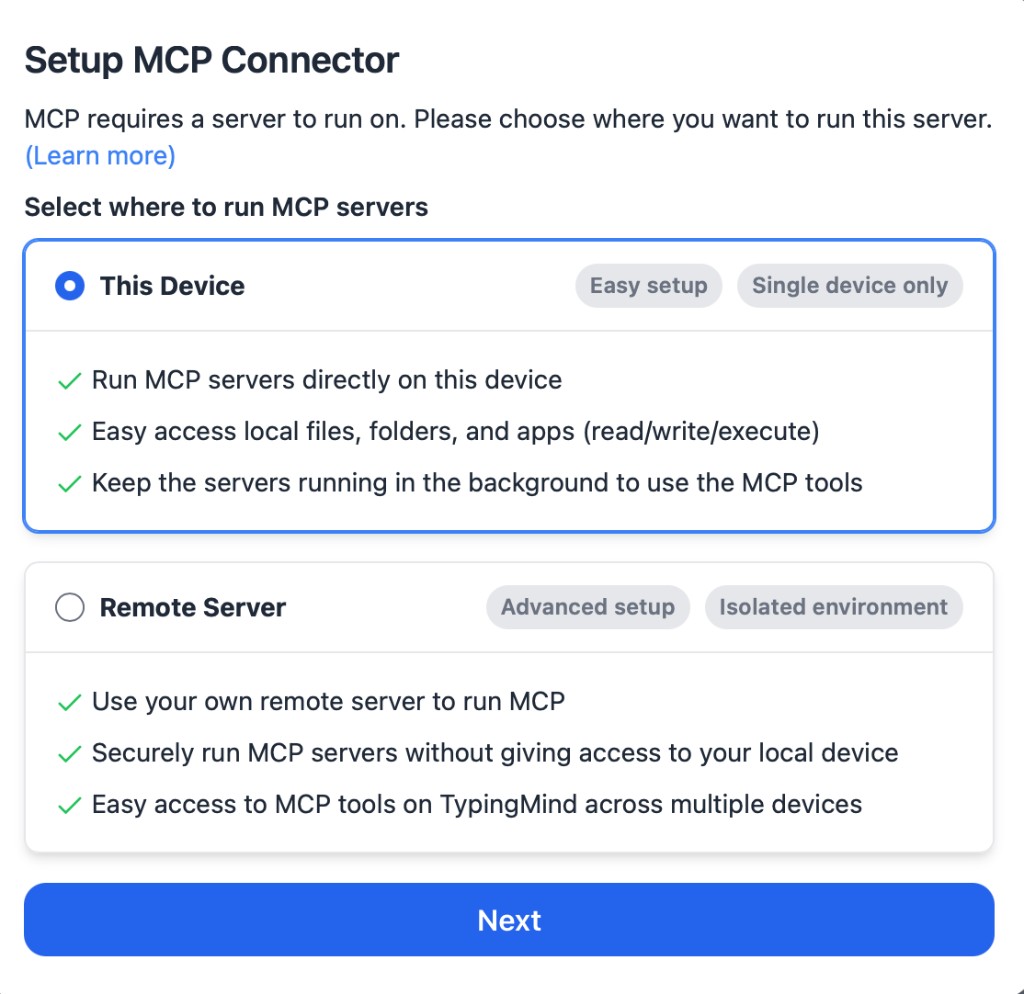
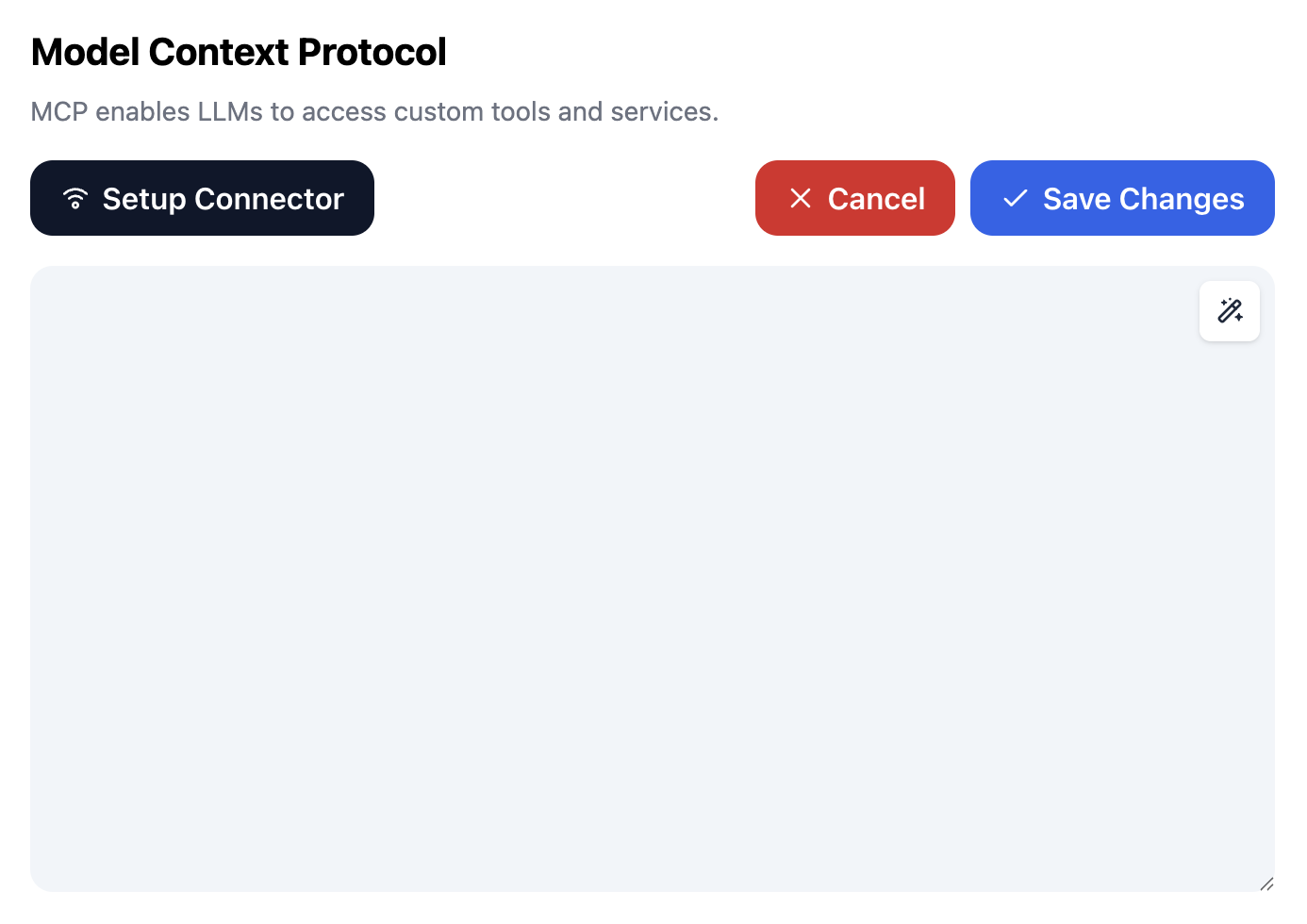
Model Context Protocol | Hyperbrowser
The page covers the Model Context Protocol used in Hyperbrowser for web scraping and automation.
SDKs | Hyperbrowser
The page discusses Hyperbrowser SDKs for web scraping and automation, including features and usage details.
Node | Hyperbrowser
Overview of the Node module in Hyperbrowser for web scraping and automation.
Sessions | Hyperbrowser
The page discusses sessions in Hyperbrowser, detailing how to manage and utilize them effectively for web scraping tasks.
Profiles | Hyperbrowser
The "Profiles" page of Hyperbrowser covers user profiles and their management within the tool.
Scrape | Hyperbrowser
The "Scrape" page of Hyperbrowser outlines techniques and tools for web scraping and automation.
Crawl | Hyperbrowser
The "Crawl" page of Hyperbrowser details how to use the tool for web scraping and automated data extraction.
Extensions | Hyperbrowser
The Extensions page for Hyperbrowser details available extensions that enhance web scraping and automation functionalities.
Python | Hyperbrowser
The page provides documentation on using Hyperbrowser with Python for web scraping and automation tasks.
Sessions | Hyperbrowser
The page discusses managing sessions in Hyperbrowser for effective web scraping and automation tasks.
Profiles | Hyperbrowser
The "Profiles" page in Hyperbrowser documentation explains how to manage and use user profiles for web scraping tasks.
Scrape | Hyperbrowser
The page explains how to use Hyperbrowser for web scraping tasks.
Crawl | Hyperbrowser
The Crawl section of Hyperbrowser’s documentation explains web scraping techniques and automation processes.
Extensions | Hyperbrowser
Explore Hyperbrowser extensions for enhanced web scraping and automation capabilities in your projects.
API Reference | Hyperbrowser
API Reference for Hyperbrowser provides detailed information on using its web scraping and automation features.
Sessions | Hyperbrowser
The "Sessions" page in Hyperbrowser covers managing and utilizing sessions for web scraping and automation tasks.
Crawl | Hyperbrowser
The "Crawl" section of Hyperbrowser documentation explains how to use the tool for web scraping and automation tasks.
Scrape | Hyperbrowser
The "Scrape" section of Hyperbrowser documentation explains web scraping techniques and automation features of the tool.
Extract | Hyperbrowser
The Extract page of Hyperbrowser provides guidelines on data extraction methods and tools for web scraping.
Agents | Hyperbrowser
The "Agents" page in Hyperbrowser documentation discusses automated entities for web scraping and task execution.
Browser Use | Hyperbrowser
The page explains how to effectively utilize browser features in Hyperbrowser for web scraping and automation tasks.
Claude Computer Use | Hyperbrowser
The page discusses using Claude for web scraping and automation with Hyperbrowser tools.
OpenAI CUA | Hyperbrowser
OpenAI CUA for Hyperbrowser details integration and automation features for effective web scraping.
Profiles | Hyperbrowser
The "Profiles" page in Hyperbrowser documentation explains how to manage and configure user profiles for scraping tasks.
Extensions | Hyperbrowser
The page discusses extensions for Hyperbrowser that enhance its web scraping and automation capabilities.
LangChain | Hyperbrowser
LangChain integrates with Hyperbrowser for enhanced web scraping and automation capabilities.
LlamaIndex | Hyperbrowser
LlamaIndex documentation for integrating with Hyperbrowser for web scraping and automation tasks.
Hyperbrowser
Hyperbrowser is a web scraping and automation tool, offering extensive documentation for users.