🎨 ImageGen MCP Server
A powerful MCP server for AI image generation with OpenAI GPT-Image-1, Google Imagen 4, Flux 1.1, Qwen Image, SeedDream-4, and Nano Banana (Gemini 2.5 Flash Image) support
🎬 Quick Demo
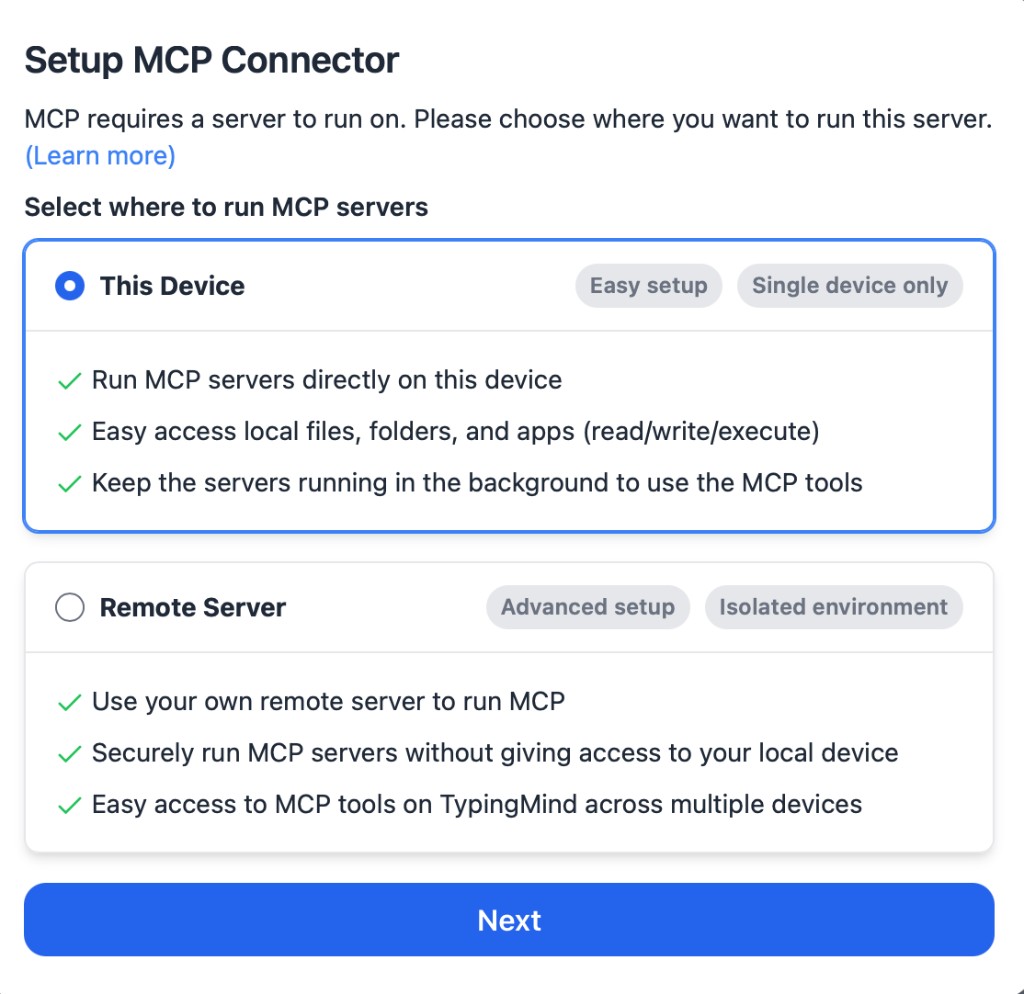
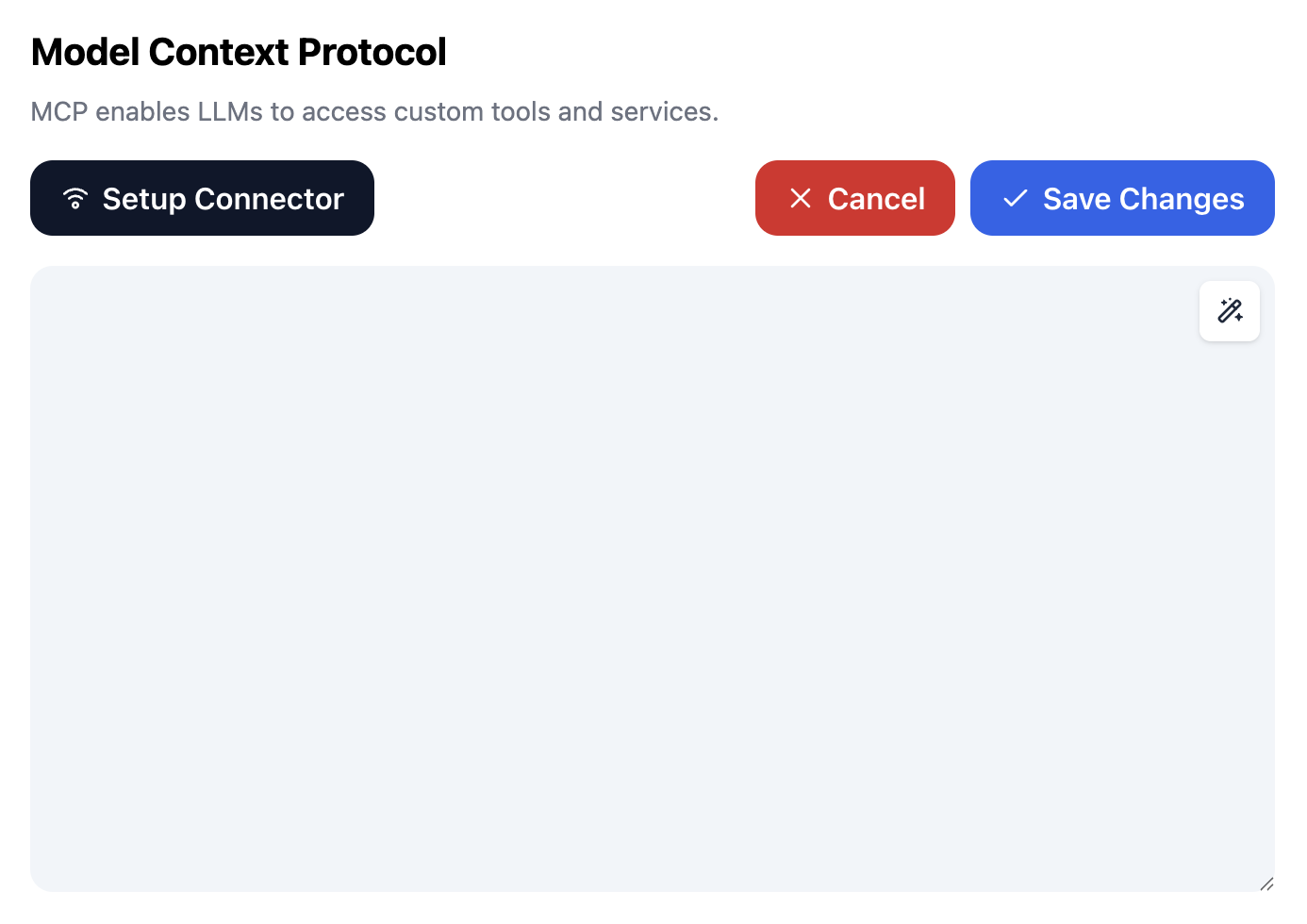
⚡ Instant (WritingMate.ai)
- Visit WritingMate.ai
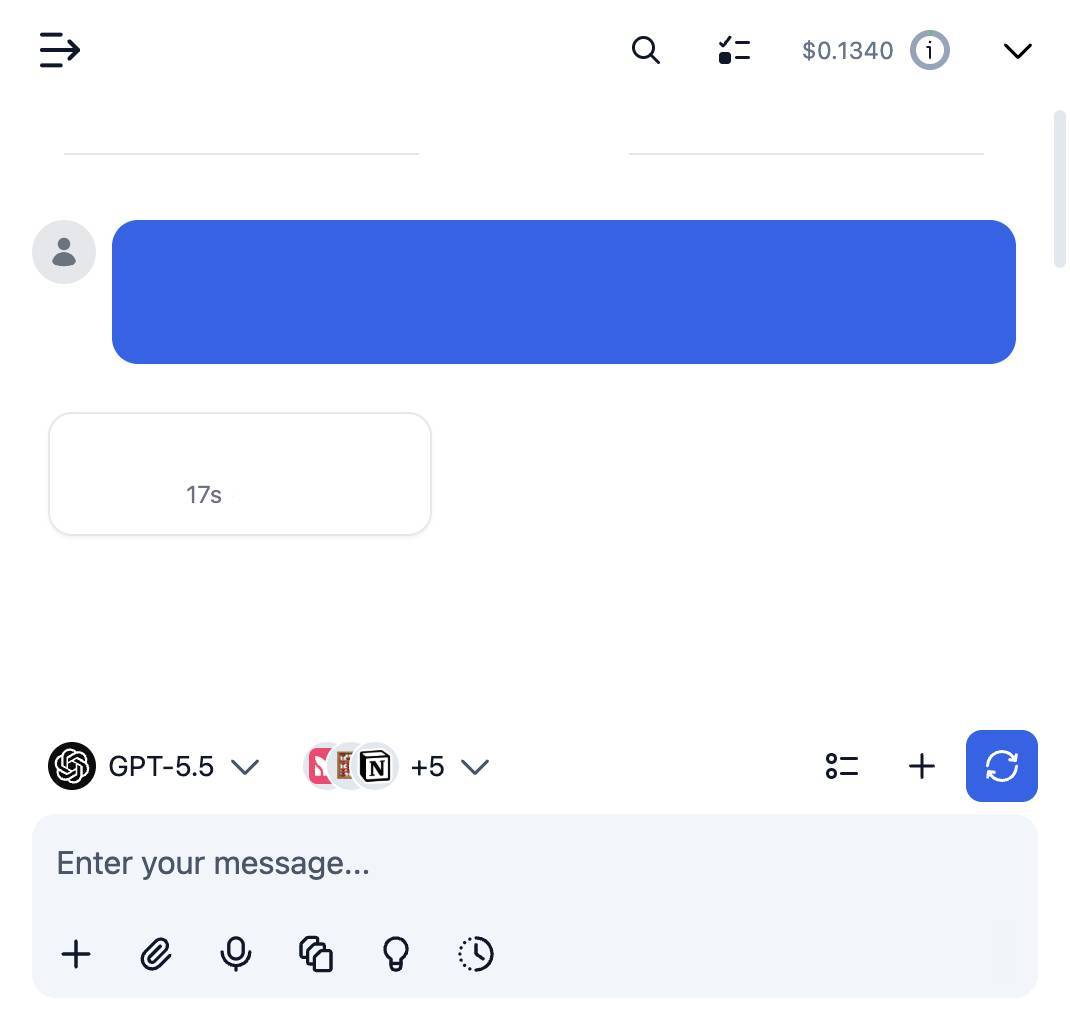
- Say: "Generate an image of a cyberpunk city using Flux 1.1"
- ✅ Done! - No setup, no API keys needed
🛠️ Self-Setup (Other Clients)
bash# Install and run in one command npx imagegen-mcp-server
Then in your MCP client:
"Generate an image of a cyberpunk city using Flux 1.1"
✅ Result: High-quality image saved to outputs/ directory
An MCP (Model Context Protocol) server for AI image generation supporting:
- GPT-Image-1 MCP: OpenAI's latest image generation model
- Nano Banana MCP: Gemini 2.5 Flash Image Preview model
- Google Imagen 4 MCP: Advanced photorealistic image generation
- Flux 1.1 MCP: State-of-the-art prompt following via Replicate
🎨 Model Comparison
Same prompt: "A serene mountain landscape with a crystal clear lake reflecting snow-capped peaks, golden hour lighting, highly detailed"
✨ Features
| Provider | Models | Keywords | Highlights |
|---|---|---|---|
| 🤖 OpenAI | GPT-Image-1, DALL-E 3, DALL-E 2 | gpt-image-1 mcp, openai image gen | Latest GPT-Image-1 with background control |
| 🧠 Nano Banana | Gemini 2.5 Flash Image Preview | nano banana mcp | Fast generation via official Google SDK |
| 🎨 Google Imagen | Imagen 4 (custom endpoint) | google imagen 4 mcp | Advanced photorealistic image generation |
| ⚡ Replicate | Flux 1.1 Pro, Qwen Image, SeedDream-4 | flux 1.1 mcp, qwen image mcp, seedream-4 mcp | Multiple cutting-edge models via Replicate |
🎯 Core Capabilities
- Multiple Output Formats: PNG, JPEG, WebP support
- Flexible Sizing: Custom dimensions and aspect ratios
- Base64 & File Output: Return images as base64 or save to disk
- Seed Support: Reproducible generation with Flux
- MCP Compatible: Works seamlessly with any MCP client
🆚 Setup Comparison
| Client | Setup Required | API Keys | Configuration | Ready Time |
|---|---|---|---|---|
| WritingMate.ai | ✅ None | ✅ Pre-configured | ✅ Built-in | Instant |
| Claude Desktop | Manual config | Your own keys | JSON editing | ~5 minutes |
| Claude Code CLI | Command/config | Your own keys | Manual setup | ~5 minutes |
| Other MCP clients | Manual setup | Your own keys | Client-specific | ~5-10 minutes |
🚀 Quick Start
Option 1: Install from npm (Recommended)
bash# Install globally npm install -g imagegen-mcp-server # Or use with npx (no installation required) npx imagegen-mcp-server
Option 2: Install from source
bash# Clone the repository git clone https://github.com/writingmate/imagegen-mcp.git cd imagegen-mcp # Install dependencies npm install # Build the project npm run build # Run the server npm start
Requirements
- Node.js 18+
- API keys:
OPENAI_API_KEY,GOOGLE_API_KEY, and/orREPLICATE_API_TOKEN
Configuration
Create a .env file in your project directory:
env# Required: OpenAI API Key for DALL-E models OPENAI_API_KEY=your-openai-api-key-here # Required: Google API Key for Imagen and Gemini GOOGLE_API_KEY=your-google-api-key-here # Required: Replicate API Token for Flux models REPLICATE_API_TOKEN=your-replicate-api-token-here # Optional: Custom Google Imagen endpoint GOOGLE_IMAGEN_ENDPOINT= # Optional: Output directory for generated images (default: outputs) OUTPUT_DIR=outputs
🔧 Setup & Configuration
1. Get API Keys
You'll need at least one of these API keys:
| Provider | How to Get API Key | Cost |
|---|---|---|
| OpenAI | Get OpenAI API Key | ~$0.02-0.08 per image |
| Get Google API Key | Free tier available | |
| Replicate | Get Replicate Token | ~$0.003-0.01 per image |
2. Configure Environment
Create a .env file in your project directory:
env# Add the API keys for the providers you want to use OPENAI_API_KEY=your-openai-api-key-here GOOGLE_API_KEY=your-google-api-key-here REPLICATE_API_TOKEN=your-replicate-api-token-here # Optional settings OUTPUT_DIR=outputs GOOGLE_IMAGEN_ENDPOINT=
3. Add to Your MCP Client
Choose your preferred MCP client:
🚀 WritingMate.ai (Recommended - Zero Setup!)
✨ Already installed and configured! No setup required.
- Visit WritingMate.ai
- Start generating images immediately: "Generate an image of a sunset using Flux"
- All providers pre-configured and ready to use
💡 Why WritingMate.ai? ImageGen MCP Server comes pre-installed with all API keys configured. Just start creating!
🖥️ Claude Desktop
macOS: ~/Library/Application Support/Claude/claude_desktop_config.json
Windows: %APPDATA%/Claude/claude_desktop_config.json
json{ "mcpServers": { "imagegen": { "command": "npx", "args": ["imagegen-mcp-server"] } } }
⌨️ Claude Code CLI
Add to your MCP configuration:
bash# Add to Claude Code MCP settings claude-code config mcp add imagegen npx imagegen-mcp-server
Or manually configure in your Claude Code settings file:
json{ "mcpServers": { "imagegen": { "command": "npx", "args": ["imagegen-mcp-server"] } } }
📝 Codeium CLI (Codex)
Add to your Codeium MCP configuration:
json{ "mcp_servers": { "imagegen": { "command": "npx", "args": ["imagegen-mcp-server"], "env": {} } } }
🔧 Other MCP Clients
For any MCP-compatible client, use:
Command: npx imagegen-mcp-server
Environment: Ensure your .env file is in the working directory with your API keys.
4. Test the Installation
bash# Test if the server starts correctly npx imagegen-mcp-server # Or if installed globally imagegen-mcp-server
Available Tools
1. OpenAI GPT-Image-1 MCP (image.generate.openai)
Generate images using OpenAI's latest GPT-Image-1 model and DALL-E series. This OpenAI image gen MCP tool supports the newest GPT-Image-1 with advanced background control.
Parameters:
typescript{ prompt: string; // Required: Image description model?: string; // "dall-e-2", "dall-e-3", "gpt-image-1" (default) size?: string; // "1024x1024", "1792x1024", "1024x1792", etc. width?: number; // Alternative to size height?: number; // Alternative to size quality?: "standard" | "hd" | "low" | "medium" | "high" | "auto"; format?: "png" | "jpeg" | "jpg" | "webp"; background?: "transparent" | "opaque" | "auto"; // gpt-image-1 only style?: "vivid" | "natural"; // DALL-E 3 only returnBase64?: boolean; // Include base64 in response filenameHint?: string; // Custom filename prefix }
Model-specific features:
- DALL-E 2: Basic generation, sizes: 256×256, 512×512, 1024×1024
- DALL-E 3: High-quality generation, sizes: 1024×1024, 1792×1024, 1024×1792
- GPT-Image-1: Latest model with background control, multiple formats, flexible sizing
2. Google Imagen 4 MCP (image.generate.google)
Generate images using Google's advanced Imagen 4 model via custom endpoint. This Google Imagen 4 MCP integration provides cutting-edge photorealistic image generation.
Parameters:
typescript{ prompt: string; // Required: Image description model?: string; // Model name size?: string; // Image dimensions quality?: string; // Quality setting format?: "png" | "jpeg" | "jpg" | "webp"; returnBase64?: boolean; filenameHint?: string; }
Requirements:
- Set
GOOGLE_IMAGEN_ENDPOINTin your.envfile - Endpoint should accept POST requests with JSON payload
- Response format:
{ image: { base64: string, mimeType?: string } }
3. Nano Banana MCP (image.generate.gemini)
Generate images using Google's Gemini 2.5 Flash Image Preview model (also known as "Nano Banana MCP"). This nano banana implementation provides fast, efficient image generation via Google's official SDK.
Parameters:
typescript{ prompt: string; // Required: Image description model?: string; // Default: "gemini-2.5-flash-image-preview" returnBase64?: boolean; filenameHint?: string; }
4. Replicate Models MCP (image.generate.replicate)
Generate images using multiple cutting-edge models via Replicate API:
- Flux 1.1 MCP:
black-forest-labs/flux-1.1-pro(default) - State-of-the-art prompt following - Qwen Image MCP:
qwen/qwen-image- Advanced AI image generation - SeedDream-4 MCP:
bytedance/seedream-4- High-quality diffusion model
Parameters:
typescript{ prompt: string; // Required: Image description model?: string; // Default: "black-forest-labs/flux-1.1-pro" width?: number; // Image width (default: 1024) height?: number; // Image height (default: 1024) size?: string; // Alternative format: "1024x1024" format?: "png" | "jpeg" | "jpg" | "webp"; seed?: number; // Reproducible generation returnBase64?: boolean; filenameHint?: string; }
Flux Model Features:
- Flux 1.1 Pro: State-of-the-art image quality and prompt following
- High Resolution: Supports various aspect ratios and sizes
- Fast Generation: Optimized for speed and quality
- Seed Support: Reproducible image generation
Examples
Generate with OpenAI GPT-Image-1
javascriptconst result = await mcpClient.callTool("image.generate.openai", { prompt: "A serene mountain landscape at sunset", model: "gpt-image-1", size: "1536x1024", format: "webp", background: "transparent", quality: "high" });
Generate with Google Gemini
javascriptconst result = await mcpClient.callTool("image.generate.gemini", { prompt: "A futuristic city with flying cars", returnBase64: true });
Generate with Flux 1.1
javascriptconst result = await mcpClient.callTool("image.generate.replicate", { prompt: "A detailed portrait of a robot in a cyberpunk setting", model: "black-forest-labs/flux-1.1-pro", // Default model width: 1024, height: 1536, seed: 12345, format: "png" });
Generate with Qwen Image
javascriptconst result = await mcpClient.callTool("image.generate.replicate", { prompt: "A traditional Chinese landscape painting with mountains and rivers", model: "qwen/qwen-image", width: 1024, height: 1024 });
Generate with SeedDream-4
javascriptconst result = await mcpClient.callTool("image.generate.replicate", { prompt: "A vibrant abstract art piece with flowing colors", model: "bytedance/seedream-4", width: 1024, height: 1024 // Minimum 1024x1024 required });
Output Format
All tools return a consistent response format:
typescript{ content: [ { type: "text", text: "provider=openai model=gpt-image-1 saved=/path/to/image.png" }, { type: "image", // Only if returnBase64: true data: "base64data", mimeType: "image/png" } ] }
Generated images are automatically saved to the configured output directory with timestamped filenames.
Publishing to npm
The package is ready for npm publishing:
bash# Update version npm version patch|minor|major # Publish npm publish
API Keys Setup
OpenAI API Key
- Visit OpenAI API Keys
- Create a new API key
- Add to
.envasOPENAI_API_KEY
Google API Key
- Visit Google AI Studio
- Create API key and enable required APIs
- Add to
.envasGOOGLE_API_KEY
Replicate API Token
- Visit Replicate
- Sign up and go to your account settings
- Create an API token
- Add to
.envasREPLICATE_API_TOKEN
Development
bashnpm install # Install dependencies npm run dev # Development with hot reload npm run build # Build for production npm start # Start production server
License
This project is licensed under the MIT License - see the LICENSE file for details.
💡 Brought to you by
WritingMate.ai - All-in-One AI Platform
The team behind WritingMate.ai brings you powerful AI tools and integrations