Voice Call MCP Server
A Model Context Protocol (MCP) server that enables Claude and other AI assistants to initiate and manage voice calls using Twilio and OpenAI (GPT-4o Realtime model).
Use this as a base to kick-start your AI-powered voice calling explorations, save time and develop additional functionality on top of it.

Sequence Diagram
mermaidsequenceDiagram participant AI as AI Assistant (e.g., Claude) participant MCP as MCP Server participant Twilio as Twilio participant Phone as Destination Phone participant OpenAI as OpenAI AI->>MCP: 1) Initiate outbound call request <br>(POST /calls) MCP->>Twilio: 2) Place outbound call via Twilio API Twilio->>Phone: 3) Ring the destination phone Twilio->>MCP: 4) Call status updates & audio callbacks (webhooks) MCP->>OpenAI: 5) Forward real-time audio to OpenaAI's realtime model OpenAI->>MCP: 6) Return voice stream MCP->>Twilio: 7) Send voice stream Twilio->>Phone: 8) Forward voice stream Note over Phone: Two-way conversation continues <br>until the call ends
Features
- Make outbound phone calls via Twilio 📞
- Process call audio in real-time with GPT-4o Realtime model 🎙️
- Real-time language switching during calls 🌐
- Pre-built prompts for common calling scenarios (like restaurant reservations) 🍽️
- Automatic public URL tunneling with ngrok 🔄
- Secure handling of credentials 🔒
Why MCP?
The Model Context Protocol (MCP) bridges the gap between AI assistants and real-world actions. By implementing MCP, this server allows AI models like Claude to:
- Initiate actual phone calls on behalf of users
- Process and respond to real-time audio conversations
- Execute complex tasks requiring voice communication
This open-source implementation provides transparency and customizability, allowing developers to extend functionality while maintaining control over their data and privacy.
Requirements
- Node.js >= 22
- If you need to update Node.js, we recommend using
nvm(Node Version Manager):bashnvm install 22 nvm use 22
- If you need to update Node.js, we recommend using
- Twilio account with API credentials
- OpenAI API key
- Ngrok Authtoken
Installation
Manual Installation
-
Clone the repository
bashgit clone https://github.com/lukaskai/voice-call-mcp-server.git cd voice-call-mcp-server -
Install dependencies and build
bashnpm install npm run build
Configuration
The server requires several environment variables:
TWILIO_ACCOUNT_SID: Your Twilio account SIDTWILIO_AUTH_TOKEN: Your Twilio auth tokenTWILIO_NUMBER: Your Twilio numberOPENAI_API_KEY: Your OpenAI API keyNGROK_AUTHTOKEN: Your ngrok authtokenRECORD_CALLS: Set to "true" to record calls (optional)
Claude Desktop Configuration
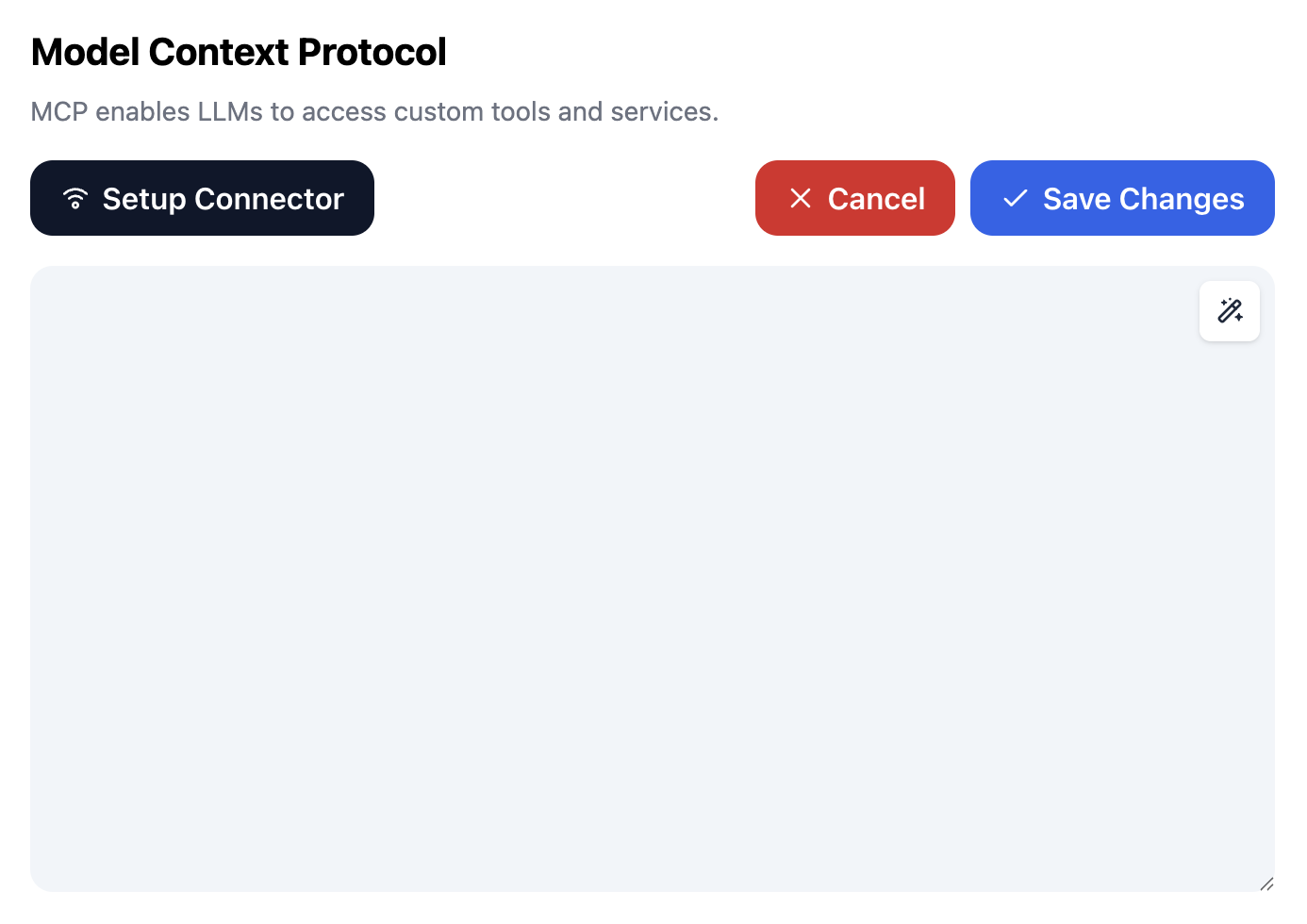
To use this server with Claude Desktop, add the following to your configuration file:
macOS: ~/Library/Application Support/Claude/claude_desktop_config.json
Windows: %APPDATA%\Claude\claude_desktop_config.json
json{ "mcpServers": { "voice-call": { "command": "node", "args": ["/path/to/your/mcp-new/dist/start-all.cjs"], "env": { "TWILIO_ACCOUNT_SID": "your_account_sid", "TWILIO_AUTH_TOKEN": "your_auth_token", "TWILIO_NUMBER": "your_e.164_format_number", "OPENAI_API_KEY": "your_openai_api_key", "NGROK_AUTHTOKEN": "your_ngrok_authtoken" } } } }
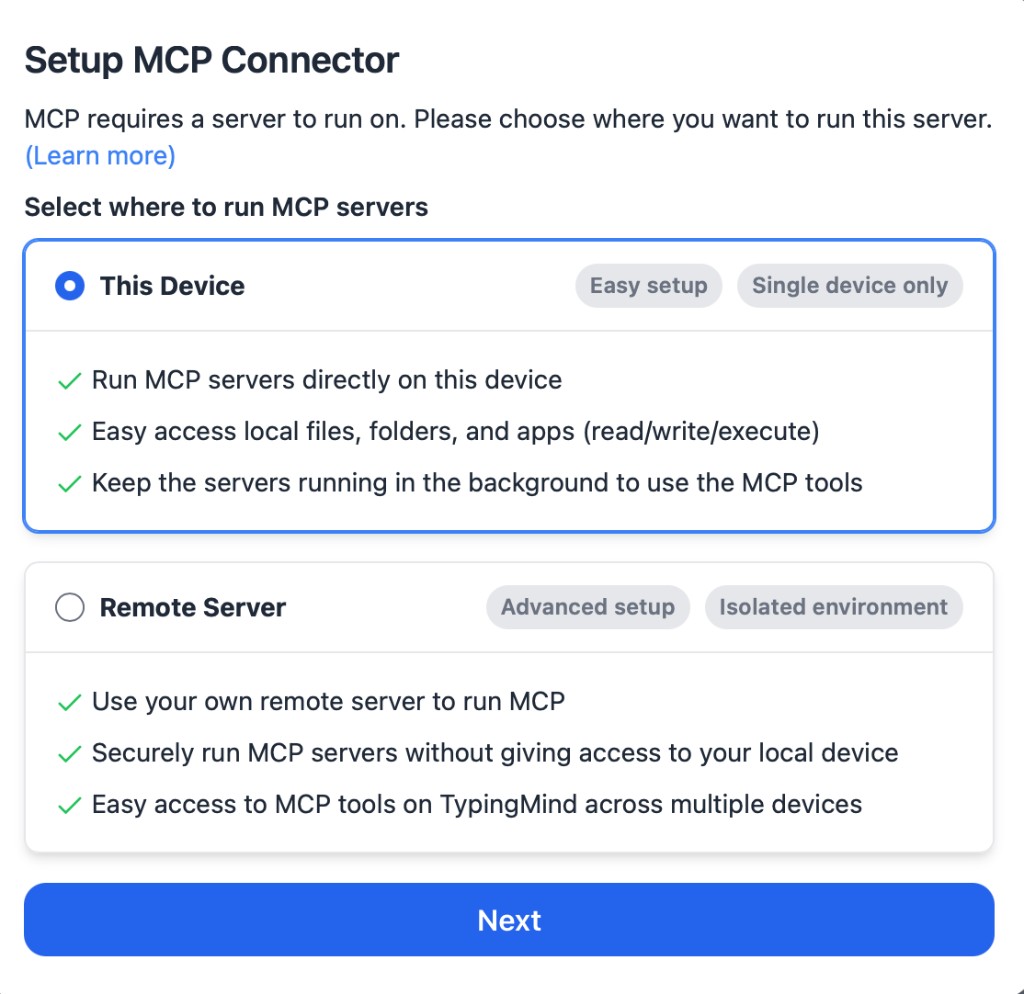
After that, restart Claude Desktop to reload the configuration. If connected, you should see Voice Call under the 🔨 menu.
Example Interactions with Claude
Here are some natural ways to interact with the server through Claude:
- Simple call:
Can you call +1-123-456-7890 and let them know I'll be 15 minutes late for our meeting?
- Restaurant reservation:
Please call Delicious Restaurant at +1-123-456-7890 and make a reservation for 4 people tonight at 7:30 PM. Please speak in German.
- Appointment scheduling:
Please call Expert Dental NYC (+1-123-456-7899) and reschedule my Monday appointment to next Friday between 4–6pm.
Important Notes
- Phone Number Format: All phone numbers must be in E.164 format (e.g., +11234567890)
- Rate Limits: Be aware of your Twilio and OpenAI account's rate limits and pricing
- Voice Conversations: The AI will handle natural conversations in real-time
- Call Duration: Be mindful of call durations as they affect OpenAI API and Twilio costs
- Public Exposure: Be aware that the ngrok tunnel exposes your server publicly for Twilio to reach it (though with a random URL and protected by a random secret)
Troubleshooting
Common error messages and solutions:
-
"Phone number must be in E.164 format"
- Make sure the phone number starts with "+" and the country code
-
"Invalid credentials"
- Double-check your TWILIO_ACCOUNT_SID and TWILIO_AUTH_TOKEN. You can copy them from the Twilio Console
-
"OpenAI API error"
- Verify your OPENAI_API_KEY is correct and has sufficient credits
-
"Ngrok tunnel failed to start"
- Ensure your NGROK_AUTHTOKEN is valid and not expired
-
"OpenAI Realtime does not detect the end of voice input, or is lagging."
- Sometimes, there might be voice encoding issues between Twilio and the receiver's network operator. Try using a different receiver.
Contributing
Contributions are welcome! Here are some areas we're looking to improve:
- Implement support for multiple AI models beyond the current implementation
- Add database integration to store conversation history locally and make it accessible for AI context
- Improve latency and response times to enhance call experiences
- Enhance error handling and recovery mechanisms
- Add more pre-built conversation templates for common scenarios
- Implement improved call monitoring and analytics
If you'd like to contribute, please open an issue to discuss your ideas before submitting a pull request.
License
This project is licensed under the MIT License - see the LICENSE file for details.
Security
Please do not include any sensitive information (like phone numbers or API credentials) in GitHub issues or pull requests. This server handles sensitive communications; deploy it responsibly and ensure all credentials are kept secure.
Time For a New Mission?
We’re hiring engineers to build at the frontier of voice AI — and bake it into a next-gen telco.
Curious? Head to careers.popcorn.space 🍿 !