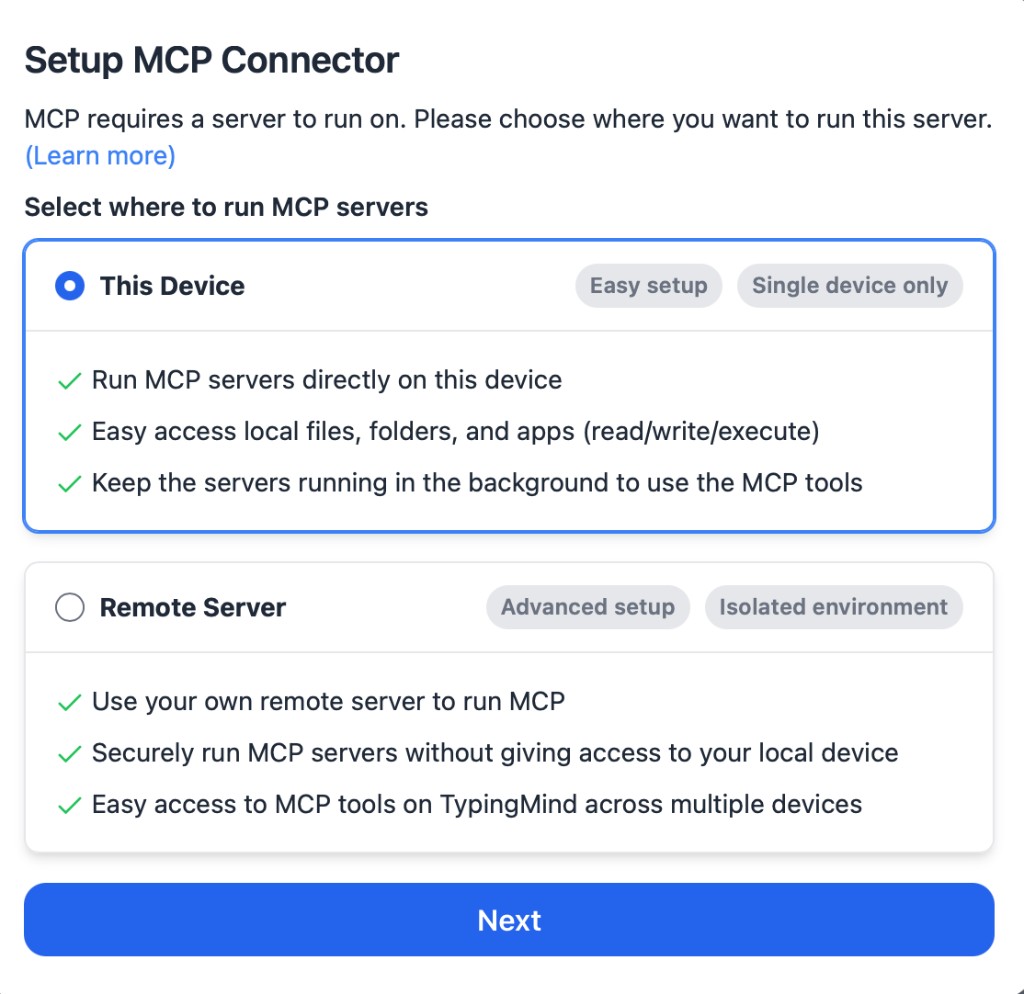
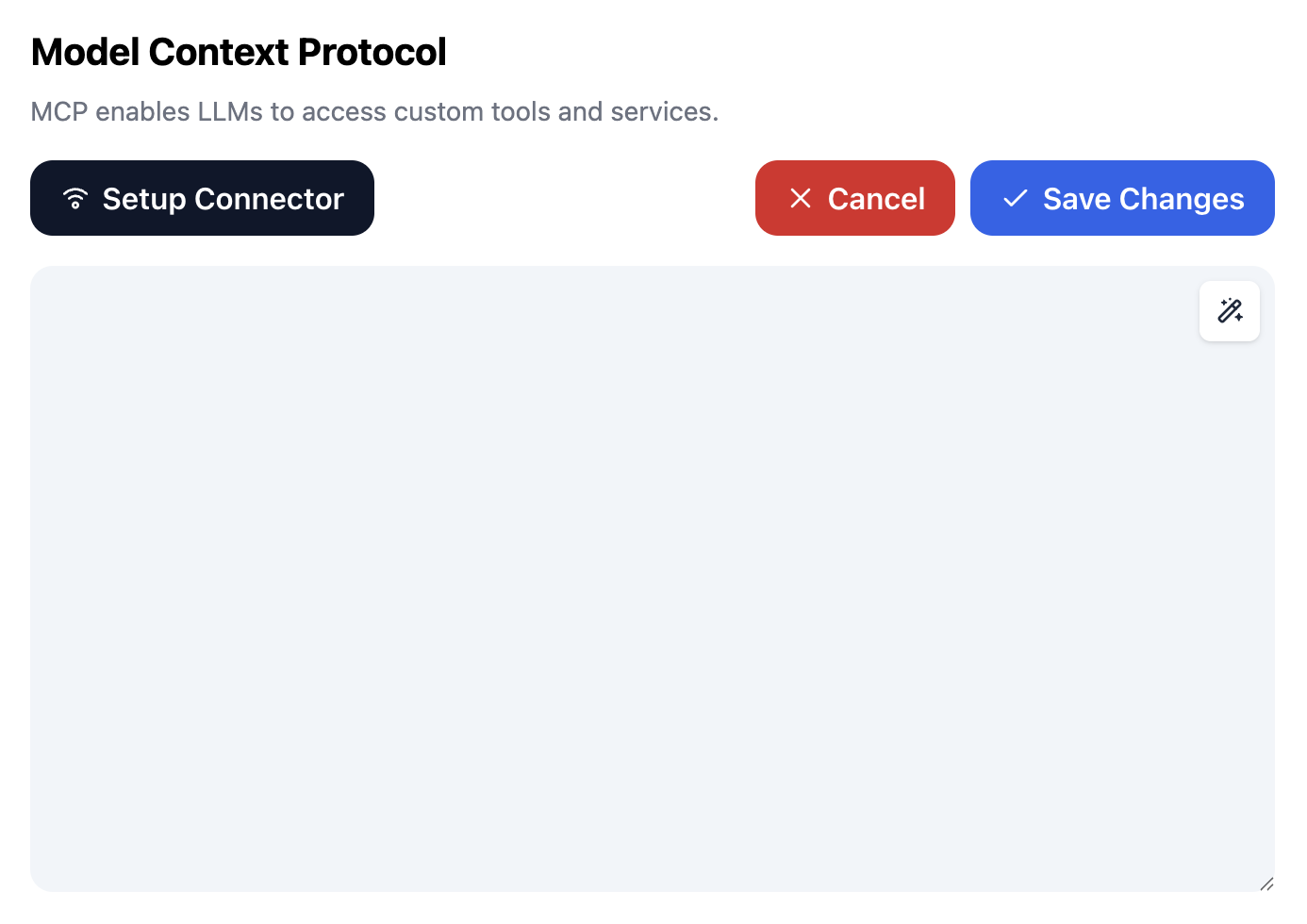
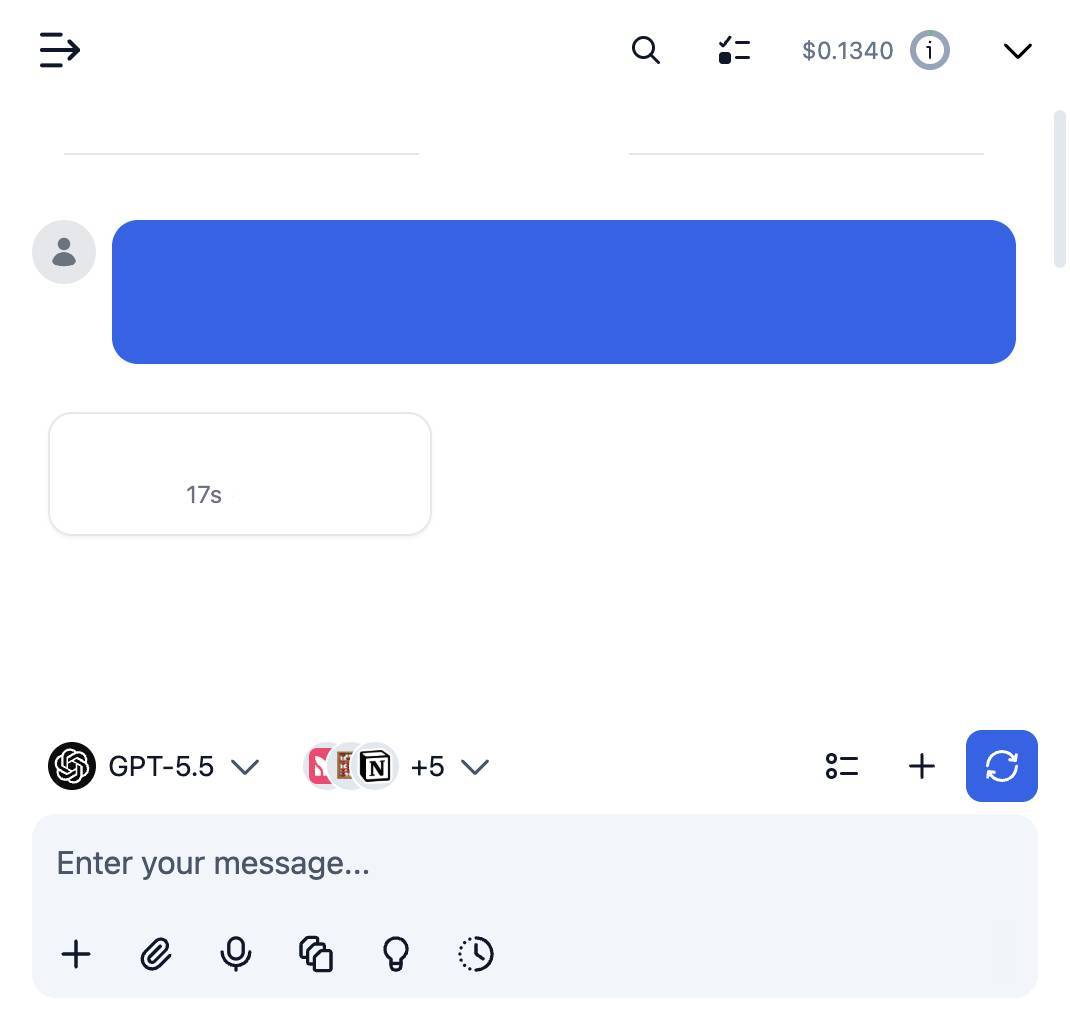
微步在线威胁分析完整API MCP 服务器
这是一个基于微步在线威胁分析API的MCP(Model Context Protocol)服务器,提供完整的情报查询功能。支持微步在线威胁分析API的全部15个工具,包括IP分析、域名分析、文件检测、URL扫描、漏洞情报等。



功能特性
IP分析
- 🔍 IP信誉查询: 查询IP地址的安全信誉信息
- 🌍 IP分析: 获取IP地理位置、ASN信息、威胁类型等
- 📈 IP高级查询: 获取IP历史解析记录、端口信息等
域名分析
- 🌐 域名分析: 获取域名解析IP、Whois信息、威胁类型等
- 📊 域名高级查询: 获取域名历史Whois、历史解析IP信息
- 🔍 域名上下文查询: 针对恶意域名查询上下文信息
- 🌿 子域名查询: 获取域名的子域名信息
文件分析
- 📄 文件信誉报告: 获取文件详细的静态和动态分析报告
- 🔬 反病毒引擎检测: 获取文件经过22款反病毒扫描引擎检测结果
- 📤 文件上传分析: 上传文件进行沙箱分析
URL分析
- 🌐 URL扫描: 对URL进行扫描分析
- 📋 URL信誉报告: 获取URL扫描引擎检测结果
漏洞情报
- 🛡️ 漏洞情报: 获取公开漏洞的基础信息、风险评估、PoC等
- 🎯 产品漏洞匹配: 通过厂商产品匹配功能聚合相关漏洞
失陷检测
- 🚨 IOC检测: 检测IP地址或域名的恶意威胁
🚀 快速开始
1. 安装依赖
bash# 进入项目目录 cd ThreatMCP # 安装依赖(自动生成的精确依赖) pip install -r requirements.txt
当前依赖包:
mcp- Model Context Protocol核心包pydantic- 数据验证库requests- HTTP请求库
2. 配置API密钥
设置微步在线威胁分析API密钥环境变量:
bashexport THREATBOOK_API_KEY="your_threatbook_api_key_here"
3. 获取微步在线威胁分析API密钥
- 访问 微步在线威胁分析官网
- 注册账号并登录
- 在API管理页面获取你的API密钥
4. 启动服务器
🔗 集成使用
Claude Desktop集成
在Claude Desktop的配置文件中添加:
json{ "mcpServers": { "threatbook": { "command": "python", "args": ["/path/to/your/ThreatMCP/run_server.py"], "env": { "THREATBOOK_API_KEY": "your_api_key_here" } } } }
配置说明:
command: 使用python命令args: 使用完整绝对路径运行run_server.py脚本env: 设置微步在线威胁分析API密钥环境变量
注意: 请将路径 /path/to/your/ThreatMCP/run_server.py 替换为您实际的项目路径
其他MCP客户端
本服务器兼容所有支持MCP协议的客户端,包括:
- Claude Desktop
- 其他AI助手工具
- 自定义MCP客户端
🔍 实战应用场景(遐想)
AI 驱动的 Linux 系统应急响应分析
结合 AI SSH 工具和威胁情报,可以实现智能化的 Linux 系统安全应急分析:
🚨 典型应急响应流程
1. 异常发现阶段
bash# AI 通过 SSH 连接到可疑系统 ssh user@suspicious-server # 检查系统基本状态 ps aux | grep -E "(bitcoin|mining|crypto)" netstat -tulpn | grep LISTEN
2. 威胁情报关联分析
- 可疑 IP 分析: 使用
ip_reputation和ip_analysis工具分析系统中发现的外部连接 IP - 域名威胁检测: 通过
domain_analysis检查系统 DNS 查询记录中的可疑域名 - 文件哈希验证: 使用
file_analysis分析可疑文件的 MD5/SHA256 哈希值
3. 深度分析示例
bash# 发现可疑外连 IP: 192.168.1.100 # AI 自动调用威胁情报 API 进行分析
AI 会自动:
- 调用
ip_reputation查询该 IP 的信誉信息 - 使用
ip_analysis获取 IP 地理位置、ASN、历史威胁记录 - 通过
ioc_detection检测是否为已知的失陷指标
4. 综合威胁评估
AI 结合系统信息和威胁情报,提供:
- 🎯 威胁等级评估: 基于多维度情报数据
- 📊 攻击链分析: 关联分析攻击者的 TTPs
- 🛡️ 处置建议: 提供具体的安全加固措施
🔧 支持的分析场景
| 分析类型 | 使用的威胁情报工具 | 应用场景 |
|---|---|---|
| 网络连接分析 | ip_reputation, ip_analysis | 检测恶意外连、C&C 通信 |
| DNS 查询分析 | domain_analysis, domain_context | 发现恶意域名、DGA 域名 |
| 文件完整性检查 | file_analysis, file_multiengines | 检测木马、后门、挖矿程序 |
| Web 访问分析 | url_scan, url_report | 分析可疑 URL 访问记录 |
| 漏洞风险评估 | vulnerability, vuln_match | 系统漏洞风险评估 |
💡 智能化优势
- 自动化分析: AI 自动执行系统检查和威胁情报查询
- 关联分析: 将系统日志与全球威胁情报进行关联
- 实时响应: 快速识别威胁并提供处置建议
- 知识积累: 基于历史案例不断优化分析策略
🎯 实际应用价值
- 提升响应速度: 从小时级缩短到分钟级
- 降低误报率: 基于权威威胁情报源进行验证
- 标准化流程: 确保应急响应的一致性和完整性
- 知识传承: AI 助手可以传承专家经验
注意: 此功能需要配合支持 SSH 的 AI 工具使用,如 Claude Desktop 配合 SSH MCP 服务器等。
🛠️ 完整API工具集
本MCP服务器提供微步在线威胁分析API的完整15个工具,覆盖所有威胁情报分析场景:
IP相关工具
- ip_reputation - IP信誉查询
- ip_analysis - IP分析
- ip_advanced - IP高级查询
- ioc_detection - 失陷检测
域名相关工具
- domain_analysis - 域名分析
- domain_advanced - 域名高级查询
- domain_context - 域名上下文查询
- subdomain - 子域名查询
文件相关工具
- file_analysis - 文件信誉报告
- file_multiengines - 文件反病毒引擎检测
- file_upload - 提交文件分析
URL相关工具
- url_scan - 提交URL分析
- url_report - URL信誉报告
漏洞相关工具
- vulnerability - 漏洞情报
- vuln_match - 产品漏洞匹配
🏗️ 项目架构
项目结构
ThreatMCP/ ├── threatbook_mcp/ # 核心包目录 │ ├── __init__.py # 包初始化 │ ├── server.py # MCP服务器核心 │ ├── response_handler.py # 统一响应处理 │ ├── ip_reputation.py # IP信誉查询 │ ├── ip_analysis.py # IP分析 │ ├── ip_advanced.py # IP高级查询 │ ├── ioc_detection.py # 失陷检测 │ ├── domain_analysis.py # 域名分析 │ ├── domain_advanced.py # 域名高级查询 │ ├── domain_context.py # 域名上下文查询 │ ├── subdomain.py # 子域名查询 │ ├── file_analysis.py # 文件信誉报告 │ ├── file_multiengines.py # 文件反病毒检测 │ ├── file_upload.py # 文件上传分析 │ ├── url_scan.py # URL扫描 │ ├── url_report.py # URL信誉报告 │ ├── vulnerability.py # 漏洞情报 │ └── vuln_match.py # 产品漏洞匹配 ├── run_server.py # 🚀 服务器启动脚本(主入口) ├── requirements.txt # 项目依赖 ├── README.md # 项目说明 └── config_example.json # Claude Desktop配置示例
许可证
MIT License
支持
如有问题或建议,请提交Issue或联系开发者。