:tada: It's Official :tada:
The Okta Open Source MCP Server integrates with LLMs and AI agents, allowing you to perform various Okta management operations using natural language and is Generally Available (GA).
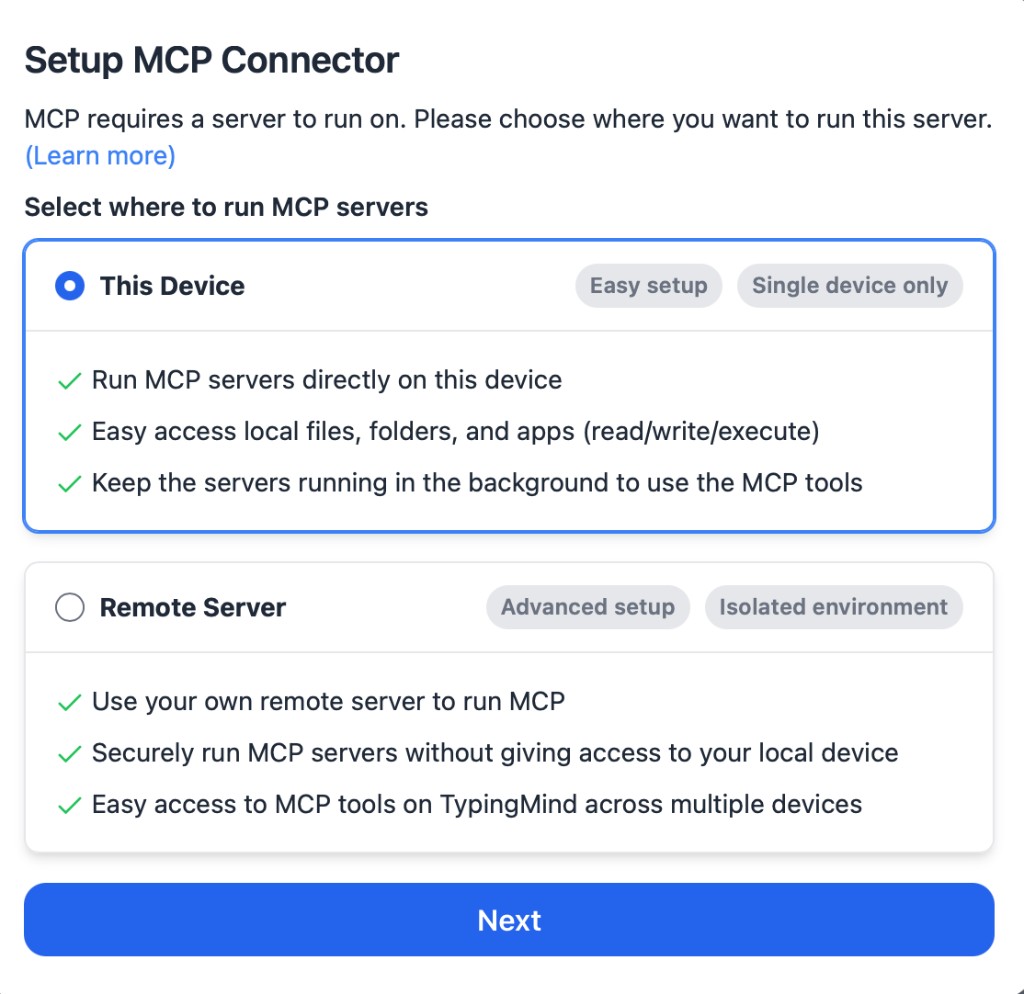
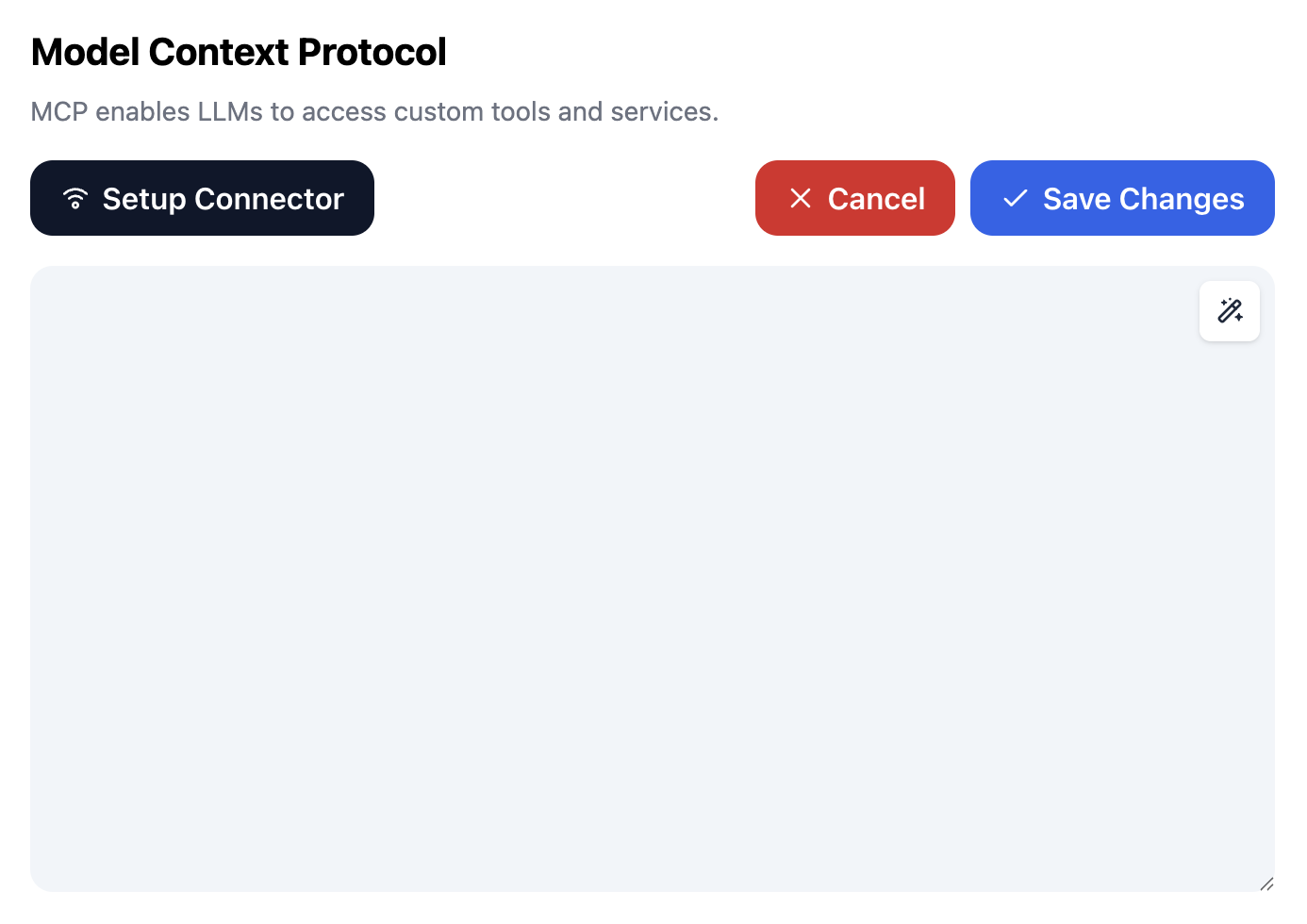
MCP (Model Context Protocol) is an open protocol introduced by Anthropic that standardizes how large language models communicate with external tools, resources or remote services.
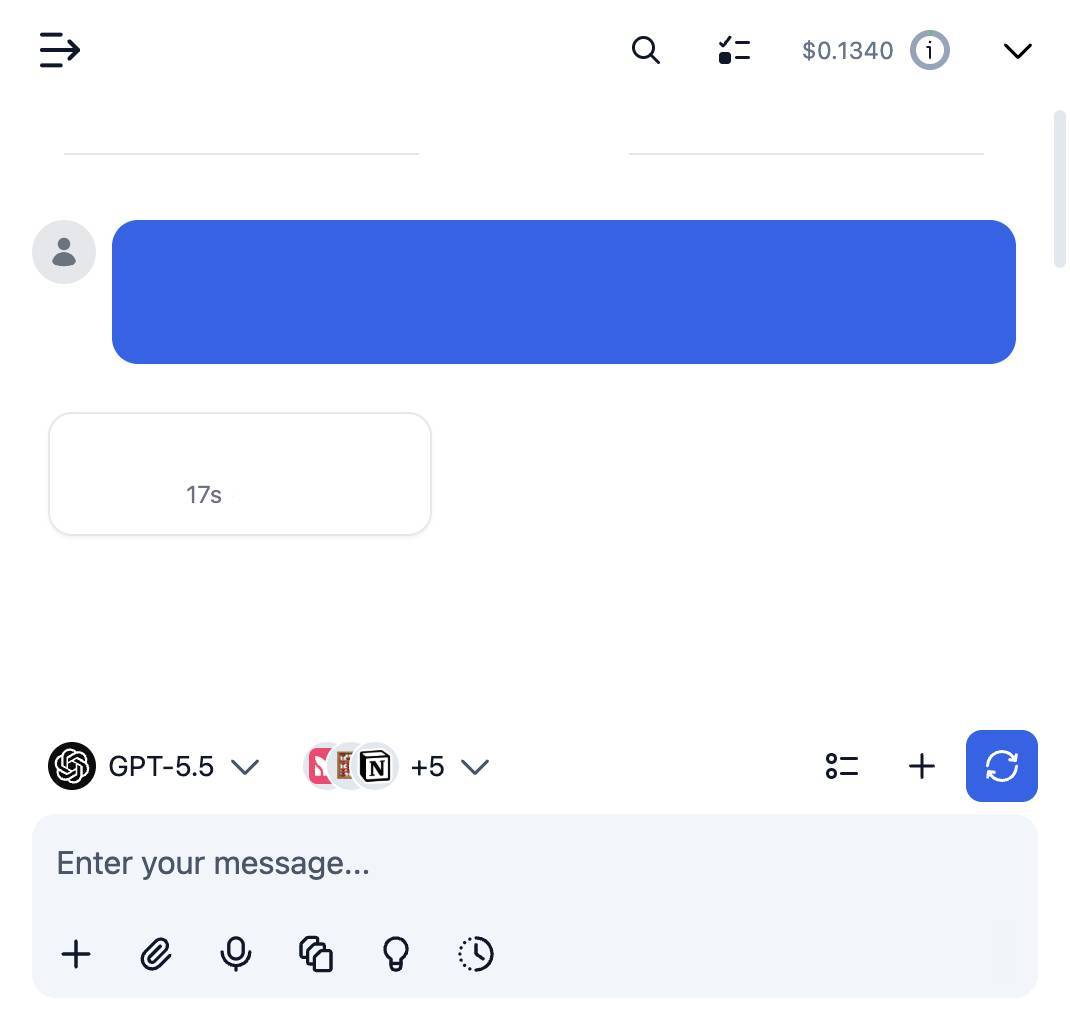
The Okta Open Source MCP Server integrates with LLMs and AI agents, allowing you to perform various Okta management operations using natural language. For instance, you could simply ask Claude Desktop to perform Okta management operations:
-
Create a new user and add them to the Engineering group
-
Show me all failed login attempts from the last 24 hours
-
List all applications that haven't been used in the past month
Empower your LLM Agents to Manage your Okta Organization
This server is an Model Context Protocol server that provides seamless integration with Okta's Admin Management APIs. It allows LLM agents to interact with Okta in a programmatic way, enabling automation and enhanced management capabilities.
Key Features
- LLM-Driven Okta Management: Allows your LLM agents to perform administrative tasks within your Okta environment based on natural language instructions.
- Secure Authentication: Supports both Device Authorization Grant for interactive use and Private Key JWT for secure, automated server-to-server communication.
- Interactive Confirmation via Elicitation: Destructive operations (deletes, deactivations) prompt the user for confirmation through the MCP Elicitation API before proceeding, with automatic fallback for clients that do not yet support the feature.
- Integration with Okta Admin Management APIs: Leverages the official Okta APIs to ensure secure and reliable interaction with your Okta org.
- Extensible Architecture: Designed to be easily extended with new functionalities and support for additional Okta API endpoints.
- Comprehensive Tool Support: Full CRUD operations for users, groups, applications, policies, device assurance policies, brands, themes, custom pages, email templates, custom domains, email domains, and more.
- Scope-Based Tool Loading: Tools are automatically enabled or disabled at server startup based on the OAuth 2.0 scopes configured in
OKTA_SCOPES. Only tools for which your application has been granted the required scope are registered and visible to the LLM — tools without a matching scope are silently removed before the first request.
This MCP server utilizes Okta's Python SDK v3.4.1 to communicate with the Okta APIs, ensuring a robust and well-supported integration.
🚀 Getting Started
Prerequisites:
- Python 3.13+ OR Docker
- uv package manager (if not using Docker)
- Claude Desktop or any other MCP Client
- Okta account with appropriate permissions
Install the Okta Open Source MCP Server
Install Okta Open Source MCP Server and configure it to work with your preferred MCP Client.
Choose one of the following installation methods:
Docker provides a consistent environment without needing to install Python or uv locally.
-
Clone the repository:
bashgit clone https://github.com/okta/okta-mcp-server.git cd okta-mcp-server -
Create a
.envfile from the example:bashcp .env.example .env # Edit .env and add your Okta credentials -
Build and run with Docker Compose:
bashdocker-compose up -d -
Configure your MCP Client to use the Docker container:
Claude Desktop with Docker (Private Key JWT - Recommended for Docker):
This method requires no browser interaction and is ideal for containerized environments.
json{ "mcpServers": { "okta-mcp-server": { "command": "docker", "args": [ "run", "-i", "--rm", "-e", "OKTA_ORG_URL", "-e", "OKTA_CLIENT_ID", "-e", "OKTA_SCOPES", "-e", "OKTA_PRIVATE_KEY", "-e", "OKTA_KEY_ID", "okta-mcp-server" ], "env": { "OKTA_ORG_URL": "https://your-org.okta.com", "OKTA_CLIENT_ID": "your-client-id", "OKTA_SCOPES": "okta.users.read okta.groups.read", "OKTA_PRIVATE_KEY": "<REDACTED>", "OKTA_KEY_ID": "your-key-id" } } } }
Claude Desktop with Docker (Device Authorization Grant):
This method requires browser-based authentication. When the server starts, it will display an authentication URL in the logs. Copy and paste this URL into your browser to complete the authentication.
Note: Docker containers cannot open a browser on the host automatically. You must manually copy the URL from
docker logs okta-mcp-serverand paste it into your browser.
json{ "mcpServers": { "okta-mcp-server": { "command": "docker", "args": [ "run", "-i", "--rm", "-v", "okta-keyring:/home/appuser/.local/share/python_keyring", "-e", "OKTA_ORG_URL", "-e", "OKTA_CLIENT_ID", "-e", "OKTA_SCOPES", "-e", "PYTHON_KEYRING_BACKEND=keyrings.alt.file.PlaintextKeyring", "okta-mcp-server" ], "env": { "OKTA_ORG_URL": "https://your-org.okta.com", "OKTA_CLIENT_ID": "your-client-id", "OKTA_SCOPES": "okta.users.read okta.groups.read" } } } }
The -v okta-keyring:/home/appuser/.local/share/python_keyring volume persists tokens between container restarts.
VS Code with Docker (Private Key JWT - Recommended for Docker):
json{ "mcp": { "inputs": [ { "type": "promptString", "description": "Okta Organization URL (e.g., https://dev-123456.okta.com)", "id": "OKTA_ORG_URL" }, { "type": "promptString", "description": "Okta Client ID", "id": "OKTA_CLIENT_ID", "password": true }, { "type": "promptString", "description": "Okta Scopes (separated by whitespace)", "id": "OKTA_SCOPES" }, { "type": "promptString", "description": "Okta Private Key (for browserless auth)", "id": "OKTA_PRIVATE_KEY", "password": true }, { "type": "promptString", "description": "Okta Key ID (for browserless auth)", "id": "OKTA_KEY_ID", "password": true } ], "servers": { "okta-mcp-server": { "command": "docker", "args": [ "run", "-i", "--rm", "-e", "OKTA_ORG_URL=${input:OKTA_ORG_URL}", "-e", "OKTA_CLIENT_ID=${input:OKTA_CLIENT_ID}", "-e", "OKTA_SCOPES=${input:OKTA_SCOPES}", "-e", "OKTA_PRIVATE_KEY=${input:OKTA_PRIVATE_KEY}", "-e", "OKTA_KEY_ID=${input:OKTA_KEY_ID}", "okta-mcp-server" ] } } } }
VS Code with Docker (Device Authorization Grant):
Note: Device Authorization requires manual browser interaction. When the server starts, check the MCP output panel for the authentication URL, then copy and paste it into your browser.
json{ "mcp": { "inputs": [ { "type": "promptString", "description": "Okta Organization URL (e.g., https://dev-123456.okta.com)", "id": "OKTA_ORG_URL" }, { "type": "promptString", "description": "Okta Client ID", "id": "OKTA_CLIENT_ID", "password": true }, { "type": "promptString", "description": "Okta Scopes (separated by whitespace)", "id": "OKTA_SCOPES" } ], "servers": { "okta-mcp-server": { "command": "docker", "args": [ "run", "-i", "--rm", "-v", "okta-keyring:/home/appuser/.local/share/python_keyring", "-e", "OKTA_ORG_URL=${input:OKTA_ORG_URL}", "-e", "OKTA_CLIENT_ID=${input:OKTA_CLIENT_ID}", "-e", "OKTA_SCOPES=${input:OKTA_SCOPES}", "-e", "PYTHON_KEYRING_BACKEND=keyrings.alt.file.PlaintextKeyring", "okta-mcp-server" ] } } } }
Alternatively, use docker-compose (requires .env file):
json{ "mcp": { "servers": { "okta-mcp-server": { "command": "docker-compose", "args": [ "-f", "/path/to/okta-mcp-server/docker-compose.yml", "run", "--rm", "okta-mcp-server" ] } } } }
Alternatively, build and run directly:
bash# Build the image docker build -t okta-mcp-server . # Run the container docker run -i --rm \ -e OKTA_ORG_URL="<OKTA_ORG_URL>" \ -e OKTA_CLIENT_ID="<OKTA_CLIENT_ID>" \ -e OKTA_SCOPES="<OKTA_SCOPES>" \ okta-mcp-server
-
Clone and install the server:
bashgit clone https://github.com/okta/okta-mcp-server.git cd okta-mcp-server uv sync -
Configure Claude Desktop by adding the following to your
claude_desktop_config.json:json{ "mcpServers": { "okta-mcp-server": { "command": "uv", "args": [ "run", "--directory", "/path/to/okta-mcp-server", "okta-mcp-server" ], "env": { "OKTA_ORG_URL": "<OKTA_ORG_URL>", "OKTA_CLIENT_ID": "<OKTA_CLIENT_ID>", "OKTA_SCOPES": "<OKTA_SCOPES>", "OKTA_PRIVATE_KEY": "<PRIVATE_KEY_IF_NEEDED>", "OKTA_KEY_ID": "<KEY_ID_IF_NEEDED>" } } } }
The server is published to PyPI as okta-mcp-server, so you can run it without cloning the repository. This is the easiest option if you only want to use the server (not modify it).
Prerequisite: Python 3.13+ and either uv (recommended, provides uvx) or pipx.
Quick smoke test (optional):
bash# With uv — no install needed, runs in an ephemeral environment uvx okta-mcp-server --help # Or install globally with pipx pipx install okta-mcp-server okta-mcp-server --help
Claude Desktop with PyPI (Device Authorization Grant):
Add the following to your claude_desktop_config.json:
json{ "mcpServers": { "okta-mcp-server": { "command": "uvx", "args": ["okta-mcp-server"], "env": { "OKTA_ORG_URL": "<OKTA_ORG_URL>", "OKTA_CLIENT_ID": "<OKTA_CLIENT_ID>", "OKTA_SCOPES": "<OKTA_SCOPES>" } } } }
Claude Desktop with PyPI (Private Key JWT — Browserless):
json{ "mcpServers": { "okta-mcp-server": { "command": "uvx", "args": ["okta-mcp-server"], "env": { "OKTA_ORG_URL": "<OKTA_ORG_URL>", "OKTA_CLIENT_ID": "<OKTA_CLIENT_ID>", "OKTA_SCOPES": "<OKTA_SCOPES>", "OKTA_PRIVATE_KEY": "<PRIVATE_KEY_IF_NEEDED>", "OKTA_KEY_ID": "<KEY_ID_IF_NEEDED>" } } } }
VS Code with PyPI:
json{ "mcp": { "inputs": [ { "type": "promptString", "description": "Okta Organization URL (e.g., https://dev-123456.okta.com)", "id": "OKTA_ORG_URL" }, { "type": "promptString", "description": "Okta Client ID", "id": "OKTA_CLIENT_ID", "password": true }, { "type": "promptString", "description": "Okta Scopes (separated by whitespace)", "id": "OKTA_SCOPES" } ], "servers": { "okta-mcp-server": { "command": "uvx", "args": ["okta-mcp-server"], "env": { "OKTA_ORG_URL": "${input:OKTA_ORG_URL}", "OKTA_CLIENT_ID": "${input:OKTA_CLIENT_ID}", "OKTA_SCOPES": "${input:OKTA_SCOPES}" } } } } }
Pinning a version (recommended for production):
uvx okta-mcp-server always resolves to the latest published release. To pin a specific version, use the package@version form:
json"args": ["okta-mcp-server@1.1.2"]
Upgrading:
uvx— no action needed for unpinned installs; useuv cache cleanto force a refresh, or bump the pinned version.pipx— runpipx upgrade okta-mcp-server.
[!TIP] Prefer Option 1 (Docker) or Option 2 (uv from source) if you need to modify the server code or run in a locked-down container environment. Choose Option 3 when you just want the released server on your workstation with minimal setup.
Configure with Different MCP Clients
Add the following to your VS Code settings.json:
json{ "mcp": { "inputs": [ { "type": "promptString", "description": "Okta Organization URL (e.g., https://dev-123456.okta.com)", "id": "OKTA_ORG_URL" }, { "type": "promptString", "description": "Okta Client ID", "id": "OKTA_CLIENT_ID", "password": true }, { "type": "promptString", "description": "Okta Scopes (separated by whitespace, e.g., 'okta.users.read okta.groups.manage')", "id": "OKTA_SCOPES" }, { "type": "promptString", "description": "Okta Private Key. Required for 'browserless' auth.", "id": "OKTA_PRIVATE_KEY", "password": true }, { "type": "promptString", "description": "Okta Key ID (KID) for the private key. Required for 'browserless' auth.", "id": "OKTA_KEY_ID", "password": true } ], "servers": { "okta-mcp-server": { "command": "uv", "args": [ "run", "--directory", "/path/to/the/okta-mcp-server", "okta-mcp-server" ], "env": { "OKTA_ORG_URL": "${input:OKTA_ORG_URL}", "OKTA_CLIENT_ID": "${input:OKTA_CLIENT_ID}", "OKTA_SCOPES": "${input:OKTA_SCOPES}", "OKTA_PRIVATE_KEY": "${input:OKTA_PRIVATE_KEY}", "OKTA_KEY_ID": "${input:OKTA_KEY_ID}" } } } } }
To use Okta Open Source MCP Server with any other MCP Client, you can manually add this configuration to the client and restart for changes to take effect:
json{ "mcpServers": { "okta-mcp-server": { "command": "uv", "args": [ "run", "--directory", "/path/to/okta-mcp-server", "okta-mcp-server" ], "env": { "OKTA_ORG_URL": "<OKTA_ORG_URL>", "OKTA_CLIENT_ID": "<OKTA_CLIENT_ID>", "OKTA_SCOPES": "<OKTA_SCOPES>", "OKTA_PRIVATE_KEY": "<PRIVATE_KEY_IF_NEEDED>", "OKTA_KEY_ID": "<KEY_ID_IF_NEEDED>" } } } }
Authenticate with Okta
The server supports two authentication methods. Choose the one that best fits your use case.
Method 1: Device Authorization Grant (Interactive)
- In your Okta org, create a new App Integration.
- Select OIDC - OpenID Connect and Native Application.
- Under Grant type, ensure Device Authorization is checked.
- Go to the Okta API Scopes tab and Grant permissions for the APIs you need (e.g., okta.users.read, okta.groups.manage).
- Save the application and copy the Client ID.
- Documentation: Okta Device Authorization Grant Guide
Method 2: Private Key JWT (Browserless)
- Create App: In your Okta org, create a new App Integration. Select API Services. Save the app and copy the Client ID.
- Configure Client Authentication:
- On the app's General tab, find the Client Credentials section and click Edit.
- Disable Require Demonstrating Proof of Possession (DPoP) header in token requests.
- Select Public key / Private key for the authentication method.
- Add a Public Key: You have two options for adding a key.
- Option A: Generate Key in Okta (Recommended)
- In the Public keys section, click Add key.
- In the dialog, choose Generate new key.
- Okta will instantly generate a key pair. Download or save the private key (
private.pem) and store it securely. - Copy the Key ID (KID) displayed for the newly generated key.
- Option B: Use Your Own Key
- Generate a key pair locally using the following
opensslcommands:bash# Generate a 2048-bit RSA private key openssl genpkey -algorithm RSA -out private.pem -pkeyopt rsa_keygen_bits:2048 # Extract the public key from the private key openssl rsa -in private.pem -pubout -out public.pem - Click Add key and paste the contents of your public key (
public.pem) into the dialog. - Copy the Key ID (KID) displayed for the key you added.
- Generate a key pair locally using the following
- Option A: Generate Key in Okta (Recommended)
- Grant API Scopes: Go to the Okta API Scopes tab and Grant permissions for the APIs you need.
- Assign Admin Roles: Go to the Admin roles tab and assign the appropriate admin role to this application.
Verify your integration
Restart your MCP Client (Claude Desktop, VS Code, etc.) and ask it to help you manage your Okta tenant:
Show me the users in my Okta organization
🛠️ Supported Tools
The Okta Open Source MCP Server provides the following tools for LLMs to interact with your Okta tenant:
Users
Required scope:
okta.users.read(read) ·okta.users.manage(write)
| Tool | Description | Usage Examples |
|---|---|---|
list_users | List all users in your Okta organization | - Show me the users in my Okta org - Find users with 'john' in their name - What users do I have in the Engineering department? |
get_user | Get detailed information about a specific user | - Show me details for user john.doe@company.com - Get information about user ID 00u1234567890 - What groups is Jane Smith a member of? |
create_user | Create a new user in your Okta organization. Pass activate=false to create the user in STAGED status (no activation email sent); omit or pass activate=true (default) to create an active PROVISIONED user. | - Create a new user named John Doe with email john.doe@company.com - Add a new employee to the Sales department - Create a staged user for john.doe@company.com without sending an activation email |
update_user | Update an existing user's profile information | - Update John Doe's department to Engineering - Change the phone number for user jane.smith@company.com - Update the manager for this user |
deactivate_user | Deactivate a user (prompts for confirmation) | - Deactivate the user john.doe@company.com - Disable access for former employee Jane Smith - Suspend the contractor account temporarily |
delete_deactivated_user | Permanently delete a deactivated user (prompts for confirmation) | - Delete the deactivated user john.doe@company.com - Remove former employee Jane Smith permanently - Clean up old contractor accounts |
get_user_profile_attributes | Retrieve all supported user profile attributes | - What user profile fields are available? - Show me all the custom attributes we can set - List the standard Okta user attributes |
list_user_groups | List all groups that a specific user is a member of | - What groups is john.doe@company.com in? - Show me all group memberships for user ID 00u1234567890 - Which teams does Jane Smith belong to? |
Groups
Required scope:
okta.groups.read(read) ·okta.groups.manage(write)
| Tool | Description | Usage Examples |
|---|---|---|
list_groups | List all groups in your Okta organization | - Show me the groups in my Okta org - Find groups with 'Engineering' in their name - What security groups do we have? |
get_group | Get detailed information about a specific group | - Show me details for the Engineering group - How many members are in the Administrators group? - What applications are assigned to Sales? |
create_group | Create a new group | - Create a new group called DevOps Team - Set up a security group for the Finance department - Add a group for temporary contractors |
update_group | Update an existing group's information | - Update the description for the Engineering group - Change the name of the Sales group to Revenue Team - Modify the Finance group settings |
delete_group | Delete a group (prompts for confirmation) | - Delete the old Marketing group - Remove the temporary project group - Clean up unused security groups |
list_group_users | List all users who are members of a group | - Who are the members of the Engineering group? - Show me all administrators - List users in the Finance department |
list_group_apps | List all applications assigned to a group | - What applications does the Engineering group have access to? - Show apps assigned to Sales team - List all applications for Administrators |
add_user_to_group | Add a user to a group | - Add john.doe@company.com to the Engineering group - Give Jane Smith access to the Finance applications - Add the new hire to the Sales team |
remove_user_from_group | Remove a user from a group | - Remove john.doe@company.com from the Engineering group - Revoke Jane's admin privileges - Remove the contractor from the Finance group |
Applications
Required scope:
okta.apps.read(read) ·okta.apps.manage(write)
| Tool | Description | Usage Examples |
|---|---|---|
list_applications | List all applications in your Okta organization | - Show me the applications in my Okta org - Find applications with 'API' in their name - What SSO applications do we have configured? |
get_application | Get detailed information about a specific app | - Show me details for the Salesforce application - What are the callback URLs for our mobile app? - Get the client ID for our web application |
create_application | Create a new application | - Create a new SAML application for our HR system - Set up a new API service application - Add a mobile app integration |
update_application | Update an existing application | - Update the callback URLs for our web app - Change the logo for the Salesforce application - Modify the SAML settings for our HR system |
delete_application | Delete an application (prompts for confirmation) | - Delete the old legacy application - Remove the unused test application - Clean up deprecated integrations |
activate_application | Activate an application | - Activate the new HR application - Enable the Salesforce integration - Turn on the mobile app for users |
deactivate_application | Deactivate an application (prompts for confirmation) | - Deactivate the legacy CRM application - Temporarily disable the mobile app - Turn off access to the test environment |
list_catalog_apps | Browse the OIN app catalog (find an app's name + features) | - Find a SCIM 2.0 test app in the catalog - Search the OIN catalog for Slack |
get_catalog_app | Get a single OIN catalog app definition (incl. schema) | - Show the catalog definition for the SCIM 2.0 test app |
install_oin_app | Install an instance of an OIN catalog app (e.g. a provisioning-capable SCIM app) | - Install the SCIM 2.0 test app as "HR Directory Sync" - Add the Slack OIN app to my org |
Policies
Required scope:
okta.policies.read(read) ·okta.policies.manage(write)
| Tool | Description | Usage Examples |
|---|---|---|
list_policies | List all policies in your Okta organization | - Show me the security policies - What password policies do we have? - List all MFA enrollment policies |
get_policy | Get detailed information about a policy | - Show me the details of our password policy - What are the MFA requirements? - Display the sign-on policy for contractors |
create_policy | Create a new policy | - Create a new password policy for contractors - Set up MFA requirements for high-risk applications - Add a sign-on policy for remote workers |
update_policy | Update an existing policy | - Update the password complexity requirements - Modify the MFA policy for executives - Change the session timeout for contractors |
delete_policy | Delete a policy (prompts for confirmation) | - Delete the old password policy - Remove the deprecated MFA policy - Clean up unused security policies |
activate_policy | Activate a policy | - Activate the new password policy - Enable the MFA requirements - Turn on the contractor sign-on policy |
deactivate_policy | Deactivate a policy (prompts for confirmation) | - Deactivate the old security policy - Temporarily disable MFA for testing - Turn off the strict password requirements |
list_policy_rules | List all rules for a specific policy | - Show me all rules for the password policy - What MFA rules are configured? - List the exceptions in our sign-on policy |
get_policy_rule | Get detailed information about a policy rule | - Show me the details of the contractor MFA rule - What are the conditions for the VPN access rule? - Display the emergency access rule |
create_policy_rule | Create a new rule for a policy | - Add an exception rule for executives - Create a rule for contractor access - Set up emergency access rules for IT admins |
update_policy_rule | Update an existing policy rule | - Update the location restrictions for remote workers - Modify the device trust requirements - Change the risk-based authentication settings |
delete_policy_rule | Delete a rule from a policy (prompts for confirmation) | - Delete the old contractor exception - Remove the deprecated VPN rule - Clean up unused policy exceptions |
activate_policy_rule | Activate a policy rule | - Activate the new emergency access rule - Enable the contractor restrictions - Turn on the location-based access rule |
deactivate_policy_rule | Deactivate a policy rule (prompts for confirmation) | - Deactivate the old emergency rule - Temporarily disable location restrictions - Turn off the device trust requirements for testing |
Device Assurance Policies
Required scope:
okta.deviceAssurance.read(read) ·okta.deviceAssurance.manage(write)
| Tool | Description | Usage Examples |
|---|---|---|
list_device_assurance_policies | List all Device Assurance Policies in your Okta organization | - Show me all device assurance policies - Which platforms have device compliance policies? - Find policies that block jailbroken devices |
get_device_assurance_policy | Get details of a specific Device Assurance Policy | - Show me the iOS device assurance policy - What OS version does our MacOS policy require? - Is jailbreak detection enabled in our Android policy? |
create_device_assurance_policy | Create a new Device Assurance Policy | - Create a MacOS policy requiring OS 14.2 and disk encryption - Set up an iOS policy that blocks jailbroken devices - Add a Windows compliance policy requiring BitLocker |
replace_device_assurance_policy | Fully replace an existing Device Assurance Policy | - Update the MacOS policy to require OS 14.5 - Enable secure hardware requirement for our Windows policy - Change the minimum OS version for our iOS policy |
delete_device_assurance_policy | Delete a Device Assurance Policy (prompts for confirmation) | - Delete the old Windows compliance policy - Remove the deprecated Android policy - Clean up unused device assurance policies |
Logs
Required scope:
okta.logs.read
| Tool | Description | Usage Examples |
|---|---|---|
get_logs | Retrieve system logs from your Okta org | - Show me recent login attempts - Find failed logins from the past 24 hours - Get authentication logs for user john.doe@company.com |
Brands
Required scope:
okta.brands.read(read) ·okta.brands.manage(write)
| Tool | Description | Usage Examples |
|---|---|---|
list_brands | List all brands in your Okta org | - Show me all brands - Find the brand named Acme |
get_brand | Get details of a specific brand | - Show me the agrjatest brand - What locale is set on this brand? |
list_brand_domains | List all custom domains for a brand | - What domains are attached to the agrjatest brand? |
create_brand | Create a new brand | - Create a new brand called Acme Corp |
replace_brand | Fully update an existing brand | - Update the agrjatest brand to use French locale |
delete_brand | Delete a brand (prompts for confirmation) | - Delete the old test brand |
Themes
Required scope:
okta.brands.read(read) ·okta.brands.manage(write)
| Tool | Description | Usage Examples |
|---|---|---|
list_brand_themes | List all themes for a brand | - Show me themes for the agrjatest brand |
get_brand_theme | Get a specific theme | - What colors are set in the agrjatest theme? |
replace_brand_theme | Update theme colors and variants | - Change the primary color of the theme to #FF5733 |
upload_brand_theme_logo | Upload a logo for a theme | - Upload a new logo for the agrjatest brand |
delete_brand_theme_logo | Revert to the default logo | - Remove the custom logo from this theme |
upload_brand_theme_favicon | Upload a favicon for a theme | - Set a custom favicon for the agrjatest brand |
delete_brand_theme_favicon | Revert to the default favicon | - Remove the custom favicon from this theme |
upload_brand_theme_background_image | Upload a background image | - Upload a background image for the sign-in page |
delete_brand_theme_background_image | Remove the background image | - Clear the background image from the theme |
Custom Pages
Required scope:
okta.brands.read(read) ·okta.brands.manage(write)
| Tool | Description | Usage Examples |
|---|---|---|
get_sign_in_page_resources | Get sign-in page resource links | - Show me the sign-in page resources for agrjatest |
get_customized_sign_in_page | Retrieve the live customized sign-in page | - Show me the current sign-in page HTML |
get_default_sign_in_page | Retrieve Okta's default sign-in page | - What does the default sign-in page look like? |
get_preview_sign_in_page | Retrieve the sign-in page preview | - Show me the sign-in page preview |
replace_customized_sign_in_page | Publish a new sign-in page | - Update the sign-in page with this new HTML |
delete_customized_sign_in_page | Revert to default sign-in page (prompts for confirmation) | - Remove the custom sign-in page and use the default |
replace_preview_sign_in_page | Update the sign-in page preview (sandbox) | - Test this new sign-in page HTML in preview |
delete_preview_sign_in_page | Clear the sign-in page preview | - Reset the sign-in preview to default |
list_sign_in_widget_versions | List available Sign-In Widget versions | - What Sign-In Widget versions can I use? |
get_error_page_resources | Get error page resource links | - Show me the error page resources |
get_customized_error_page | Retrieve the live customized error page | - Show me the current error page HTML |
get_default_error_page | Retrieve Okta's default error page | - What does the default error page look like? |
get_preview_error_page | Retrieve the error page preview | - Show me the error page preview |
replace_customized_error_page | Publish a new error page | - Update the error page with this new HTML |
delete_customized_error_page | Revert to default error page (prompts for confirmation) | - Remove the custom error page |
replace_preview_error_page | Update the error page preview | - Test this error page HTML in preview |
delete_preview_error_page | Clear the error page preview | - Reset the error page preview |
get_sign_out_page_settings | Get sign-out page settings | - What is the sign-out redirect URL? |
replace_sign_out_page_settings | Update sign-out page settings | - Set the sign-out redirect to https://example.com |
Email Templates & Customizations
Required scope:
okta.templates.read(read) ·okta.templates.manage(write)
| Tool | Description | Usage Examples |
|---|---|---|
list_email_templates | List all email templates for a brand | - Show me all email templates for agrjatest |
get_email_template | Get a specific email template | - Show me the UserActivation template |
list_email_customizations | List all language customizations for a template | - List all customizations for UserActivation |
get_email_customization | Get a specific customization | - Show me the French UserActivation customization |
create_email_customization | Create a new language customization | - Create a German customization for ForgotPassword |
replace_email_customization | Replace an existing customization | - Update the English UserActivation email subject |
delete_email_customization | Delete a customization (prompts for confirmation) | - Delete the French UserActivation customization |
delete_all_email_customizations | Delete all customizations for a template (prompts for confirmation) | - Remove all customizations from UserActivation |
get_email_customization_preview | Preview a rendered customization | - Show me how the German ForgotPassword email will look |
get_email_default_content | Get Okta's default template content | - What is the default UserActivation email body? |
get_email_default_content_preview | Preview Okta's default content with sample data | - Preview the default ForgotPassword email |
get_email_settings | Get the recipient settings for a template | - Who receives the UserActivation email? |
replace_email_settings | Update recipient settings | - Set UserActivation emails to go to admins only |
send_test_email | Send a test email to the current user | - Send me a test UserActivation email |
Custom Domains
Required scope:
okta.domains.read(read) ·okta.domains.manage(write)
| Tool | Description | Usage Examples |
|---|---|---|
list_custom_domains | List all custom domains | - Show me all custom domains in my org |
get_custom_domain | Get details of a custom domain | - Show me the details for login.example.com |
create_custom_domain | Create a new custom domain | - Add login.example.com as a custom domain |
replace_custom_domain | Update a custom domain | - Update the custom domain name |
delete_custom_domain | Delete a custom domain (prompts for confirmation) | - Remove the old custom domain |
upsert_custom_domain_certificate | Add or replace a TLS certificate | - Upload a new TLS certificate for login.example.com |
verify_custom_domain | Trigger domain DNS verification | - Verify the DNS for login.example.com |
Email Domains
Required scope:
okta.emailDomains.read(read) ·okta.emailDomains.manage(write)
| Tool | Description | Usage Examples |
|---|---|---|
list_email_domains | List all email domains | - Show me all email sender domains |
get_email_domain | Get details of an email domain | - Show me the details for mail.example.com |
create_email_domain | Create a new email domain | - Add no-reply@mail.example.com as an email domain |
replace_email_domain | Update an email domain | - Update the display name for this email domain |
delete_email_domain | Delete an email domain (prompts for confirmation) | - Remove the old email domain |
verify_email_domain | Trigger email domain DNS verification | - Verify the DNS records for mail.example.com |
Confirmation for Destructive Operations
All destructive operations (deleting groups, applications, policies, policy rules, device assurance policies, and deactivating/deleting users) use the MCP Elicitation API to prompt the user for explicit confirmation before proceeding.
- Clients that support elicitation (e.g., Claude Desktop with MCP SDK ≥ 1.26): The user sees a confirmation dialog directly in the chat UI. They can accept, decline, or cancel.
- Clients that do not yet support elicitation: The tool returns a JSON payload describing the pending action so the LLM can relay the confirmation request to the user. The deprecated
confirm_delete_group/confirm_delete_applicationtools remain available as a fallback for these clients.
� Scope-Based Tool Loading
The Okta Open Source MCP Server uses a scope-based tool loading mechanism to ensure that only the tools your application is authorized to use are exposed to the LLM.
How it works
- At startup, after authentication completes, the server reads the scopes listed in your
OKTA_SCOPESenvironment variable. - Every tool in the server is mapped to a minimum required OAuth 2.0 scope (e.g.
okta.users.read,okta.brands.manage). This mapping is defined inscope_registry.py. - The server compares each tool's required scope against your configured scopes. Tools whose required scope is not present are silently removed from the tool registry — they will never appear in
tools/listand the LLM will not be aware of them. - At runtime, a
@require_scopesdecorator on each tool provides a second layer of enforcement: if a scope is missing at call time (e.g. token was refreshed with fewer scopes), the tool returns a clear error message instead of making an API call.
Scope → Tool mapping
| Scope | Tools Unlocked |
|---|---|
okta.users.read | list_users, get_user, get_user_profile_attributes, list_user_groups |
okta.users.manage | create_user, update_user, deactivate_user, delete_deactivated_user |
okta.groups.read | list_groups, get_group, list_group_users, list_group_apps |
okta.groups.manage | create_group, update_group, delete_group, add_user_to_group, remove_user_from_group |
okta.apps.read | list_applications, get_application, list_catalog_apps, get_catalog_app |
okta.apps.manage | create_application, update_application, delete_application, activate_application, deactivate_application, install_oin_app |
okta.policies.read | list_policies, get_policy, list_policy_rules, get_policy_rule |
okta.policies.manage | create_policy, update_policy, delete_policy, activate_policy, deactivate_policy, create_policy_rule, update_policy_rule, delete_policy_rule, activate_policy_rule, deactivate_policy_rule |
okta.deviceAssurance.read | list_device_assurance_policies, get_device_assurance_policy |
okta.deviceAssurance.manage | create_device_assurance_policy, replace_device_assurance_policy, delete_device_assurance_policy |
okta.logs.read | get_logs |
okta.brands.read | list_brands, get_brand, list_brand_domains, list_brand_themes, get_brand_theme, get_sign_in_page_resources, get_customized_sign_in_page, get_default_sign_in_page, get_preview_sign_in_page, list_sign_in_widget_versions, get_error_page_resources, get_customized_error_page, get_default_error_page, get_preview_error_page, get_sign_out_page_settings |
okta.brands.manage | create_brand, replace_brand, delete_brand, replace_brand_theme, upload_brand_theme_logo, delete_brand_theme_logo, upload_brand_theme_favicon, delete_brand_theme_favicon, upload_brand_theme_background_image, delete_brand_theme_background_image, replace_customized_sign_in_page, delete_customized_sign_in_page, replace_preview_sign_in_page, delete_preview_sign_in_page, replace_customized_error_page, delete_customized_error_page, replace_preview_error_page, delete_preview_error_page, replace_sign_out_page_settings |
okta.templates.read | list_email_templates, get_email_template, list_email_customizations, get_email_customization, get_email_customization_preview, get_email_default_content, get_email_default_content_preview, get_email_settings |
okta.templates.manage | create_email_customization, replace_email_customization, delete_email_customization, delete_all_email_customizations, replace_email_settings, send_test_email |
okta.domains.read | list_custom_domains, get_custom_domain |
okta.domains.manage | create_custom_domain, replace_custom_domain, delete_custom_domain, upsert_custom_domain_certificate, verify_custom_domain |
okta.emailDomains.read | list_email_domains, get_email_domain |
okta.emailDomains.manage | create_email_domain, replace_email_domain, delete_email_domain, verify_email_domain |
What you need to do
To enable a group of tools, you must do two things:
1. Grant the scope to your Okta application
In your Okta Admin Console, open the App Integration you created for the MCP server:
- Go to the Okta API Scopes tab.
- Click Grant next to each scope you want to enable.
2. Add the scope to OKTA_SCOPES in your MCP client configuration
Update the OKTA_SCOPES value in your mcp.json / settings.json to include the required scopes as a space-separated string:
json"OKTA_SCOPES": "okta.users.read okta.groups.read okta.brands.read okta.templates.read"
Then restart your MCP client so the server picks up the new scope list.
[!TIP] Start with the minimum set of scopes your use-case requires. For example, if you only need to read users and brands, use
okta.users.read okta.brands.read. Addingokta.*.managescopes enables write operations — only grant those if needed.
[!NOTE] Scopes follow the pattern
okta.<resource>.readfor read-only access andokta.<resource>.managefor full read+write access. You do not need both —okta.users.manageimplicitly enables all read operations on users.
�🔐 Authentication
The Okta Open Source MCP Server uses the Okta Management API and requires authentication to access your Okta tenant.
Authentication Flow
The server uses OAuth 2.0 device authorization flow for secure authentication with Okta, or Private Key JWT for browserless authentication. Your credentials are managed securely and are never exposed in plain text.
Initial Setup
The MCP Server will automatically initiate the appropriate authentication flow based on your configuration:
- Device Authorization Grant: Interactive browser-based authentication
- Private Key JWT: Browserless authentication using client credentials
[!NOTE] Device authorization flow is not supported for private cloud tenants. Private Cloud users should use Private Key JWT authentication with client credentials.
[!IMPORTANT] Using the MCP Server will consume Management API rate limits according to your subscription plan. Refer to the Rate Limit Policy for more information.
🩺 Troubleshooting
When encountering issues with the Okta Open Source MCP Server, several troubleshooting options are available to help diagnose and resolve problems.
🐞 Debug Mode
Enable debug mode for more detailed logging:
bashexport OKTA_LOG_LEVEL=DEBUG
[!TIP] Debug mode is particularly useful when troubleshooting connection or authentication issues.
🧵 Include raw traceback in serializer-failure envelopes
When a to