pdfmux





Self-healing PDF extraction that flags the pages it can't read instead of dropping them — and now certifies any extractor's output for silent drops. Open-source LlamaParse alternative for RAG pipelines, MCP server for Claude Desktop, LangChain + LlamaIndex loaders.
pdfmux extracts PDFs and checks its own work — and now certifies any extractor's, telling you which pages it silently dropped. Free, MIT. Patent-pending method.
pip install pdfmux.
Two jobs, one tool:
- Self-healing extraction. The only PDF extractor that audits its own output. Catches blank pages, scrambled columns, broken tables — re-extracts them with a stronger backend, and flags what it still can't read instead of silently dropping it. So your LLM gets clean data, not silent garbage. Routes each page to the best of 7 built-in extraction backends + BYOK LLM fallback (Gemini / Claude / GPT-4o / Ollama). One CLI. One API. Zero config.
- Certify Anything — new in v1.8.1.
pdfmux verifyaudits any extraction engine's output against the source PDF — Reducto, Mistral OCR, LlamaParse, Docling, your in-house parser — and tells you which pages it silently dropped. Free, MIT, patent-clean.
PDF ──> pdfmux router ──> best extractor per page ──> audit ──> re-extract failures ──> Markdown / JSON / chunks | ├─ PyMuPDF (digital text, 0.01s/page) ├─ OpenDataLoader (complex layouts, 0.05s/page) ├─ RapidOCR (scanned pages, CPU-only) ├─ Docling (tables, 97.9% TEDS) ├─ Surya (heavy OCR fallback) ├─ Marker (academic papers, neural) ├─ Mistral OCR ($0.002/page, 96.6% tables) └─ YOUR LLM (Gemini / Gemma 3 / Claude / GPT-4o / Ollama / Mistral — BYOK via YAML)
Install
bashpip install pdfmux
That handles digital PDFs. For any real-world batch, install pdfmux[ocr] too — almost every directory of PDFs has at least one scan, and without OCR those pages return empty text:
bashpip install "pdfmux[ocr]" # ⭐ recommended — RapidOCR for scanned pages (~200MB, CPU)
Other backends, by document type:
bashpip install "pdfmux[tables]" # Docling — table-heavy docs (~500MB) pip install "pdfmux[opendataloader]" # OpenDataLoader — complex layouts (Java 11+) pip install "pdfmux[marker]" # Marker — neural extraction for academic papers pip install "pdfmux[llm]" # Gemini fallback (default LLM) pip install "pdfmux[llm-claude]" # Claude (Sonnet / Opus) pip install "pdfmux[llm-openai]" # GPT-4o family pip install "pdfmux[llm-ollama]" # Ollama (any local model) pip install "pdfmux[llm-mistral]" # Mistral OCR API ($0.002/page) pip install "pdfmux[llm-all]" # all LLM providers (incl. Gemma via Gemini key) pip install "pdfmux[watch]" # `pdfmux watch <dir>` auto-convert on change pip install "pdfmux[all]" # everything
Requires Python 3.11+.
Quick Start
CLI
bash# zero config — just works pdfmux convert invoice.pdf # invoice.pdf -> invoice.md (2 pages, 95% confidence, via pymupdf4llm) # RAG-ready chunks with token limits pdfmux convert report.pdf --chunk --max-tokens 500 # cost-aware extraction with budget cap pdfmux convert report.pdf --mode economy --budget 0.50 # schema-guided structured extraction (5 built-in presets) pdfmux convert invoice.pdf --schema invoice # BYOK any LLM for hardest pages pdfmux convert scan.pdf --llm-provider claude # use a built-in or saved profile (invoices, receipts, papers, contracts, bulk-rag) pdfmux convert invoice.pdf --profile invoices # predict cost before running anything pdfmux estimate big-report.pdf --llm-provider gemini # stream pages as NDJSON as they finish (great for long documents) pdfmux stream report.pdf --quality high # auto-convert any new PDFs that land in a folder pdfmux watch ./inbox/ -o ./output/ # diff two extractions side-by-side pdfmux diff old.pdf new.pdf # batch a directory — writes manifest.json with per-doc confidence pdfmux convert ./docs/ -o ./output/ # CI mode: fail the run if any document is below 0.20 confidence pdfmux convert ./docs/ -o ./output/ --strict --min-confidence 0.20 # pre-flight a directory: which extras do you actually need for THIS batch? pdfmux doctor --check ./docs/ # results are cached by file hash — re-runs are instant; bypass with --no-cache pdfmux convert report.pdf --no-cache pdfmux convert report.pdf --clear-cache
Python
For batch processing, use batch_extract() — not a subprocess.run(['pdfmux', ...]) loop. Same pipeline, no per-file process spawn, handles non-ASCII filenames:
pythonimport pdfmux from pathlib import Path # Batch extract — yields (path, result) tuples as each PDF completes. pdfs = list(Path("./inbox").glob("*.pdf")) for path, result in pdfmux.batch_extract(pdfs, quality="standard"): if isinstance(result, Exception): print(f"FAILED {path.name}: {result}") continue if result.confidence < 0.50: print(f"REVIEW {path.name} ({result.confidence:.2f})") else: print(f"OK {path.name} ({result.confidence:.2f})") # Single-file helpers. text = pdfmux.extract_text("report.pdf") # markdown string data = pdfmux.extract_json("report.pdf") # locked schema dict chunks = pdfmux.chunk("report.pdf", max_tokens=500) # RAG-ready chunks
Don't wrap pdfmux with your own pypdf/pdfplumber fallback. pdfmux already routes per page through PyMuPDF → RapidOCR → vision LLM. PyMuPDF tolerates malformed PDFs that pypdf rejects ("Stream has ended unexpectedly"), so a downstream pypdf fallback turns recoverable PDFs into failures. Trust the router; check the confidence score on the result.
Certify Anything
pdfmux verify audits any extraction engine's output against the source PDF and tells you which pages it silently dropped — not just pdfmux's own extraction. Point it at the output of Reducto, Mistral OCR, LlamaParse, Docling, or your in-house parser and it re-derives the source text with pdfmux's own audit pass, aligns the extraction to it, and scores every page.
The failure it catches: a page where the source has real text but the engine returned nothing — while reporting success. That "silent drop" is the exact failure that poisons a RAG index without a single error in the logs.
bash# Certify pdfmux's own extraction of a document pdfmux verify --source report.pdf --engine pdfmux # Certify ANOTHER engine's output (JSON / Markdown / text) pdfmux verify --source report.pdf --extracted reducto.json --engine-name reducto # Batch a whole directory — the "M pages silently dropped across N docs" report pdfmux verify --source ./pdfs/ --extracted ./engine-outputs/ -o certification.json # CI gate: exit non-zero unless the overall verdict is PASS pdfmux verify --source report.pdf --extracted out.json --strict
Every run prints a PASS / REVIEW / FAIL verdict, overall confidence and coverage, and — when it finds them — the silently dropped pages by number:
pdfmux verify — report.pdf · engine: reducto FAIL confidence 71% · coverage 68% reducto: FAIL; 3 page(s) SILENTLY DROPPED (pages 7, 12, 31); overall confidence 71%, coverage 68% across 40 page(s). ❌ 3 page(s) SILENTLY DROPPED: 7, 12, 31
Per page you get a verdict (pass / review / fail), confidence, coverage, alignment, hallucination-risk, and table/heading integrity. Batch mode rolls that up into a single "N pages silently dropped across M documents" line — the report you run on 100 of your own PDFs to find the silent failures already in your pipeline.
It works on any engine's output
--extracted accepts JSON, Markdown, or plain text (--extracted-format auto | json | markdown | text). When the extraction exposes real per-page structure, pdfmux compares page-by-page; when it's a single blob, it falls back to content-presence checks so it never fabricates a "silent drop" from a pagination mismatch.
Python API
pythonfrom pdfmux import verify_extraction, verify_batch # Single document → a CertificationManifest manifest = verify_extraction("report.pdf", "reducto.json", engine="reducto") print(manifest.verdict) # "PASS" | "REVIEW" | "FAIL" print(manifest.silent_drops) # e.g. (7, 12, 31) — 1-indexed page numbers print(manifest.coverage) # 0.0–1.0 # Many documents → a BatchCertification ("M pages dropped across N docs") batch = verify_batch([("a.pdf", "a.json"), ("b.pdf", "b.json")], engine="llamaparse") print(batch.total_silent_drops, "pages dropped across", batch.doc_count, "docs")
Each manifest carries a tamper-evident SHA-256 content signature over its canonical body and an embedded, honest limitations list: the certifier is lexical, not linguistic — it detects missing and garbled content, not faithful paraphrase or translation.
MCP
verify_extraction is exposed as an MCP tool (the 7th — see MCP Server), so an agent can certify an engine's output in the same session it extracts.
Free, MIT, patent-clean
Certify Anything reuses only pdfmux's shipped MIT audit layer. It does not include, and does not require, the patent-pending decision-trace method — that stays in pdfmux Cloud/Pro. pip install pdfmux gives you the full verify command at no cost.
Full reference: docs/CERTIFY-ANYTHING.md.
When you need to prove it to someone else
A local install can audit an extraction, but it cannot attest to one — anything it signs, anyone could forge. pdfmux Cloud returns an Ed25519-signed manifest over the extraction: your auditor verifies it offline, against a published public key, without an account and without trusting pdfmux.
bashpdfmux verify-manifest manifest.json # free, MIT, offline — no account
Verification is free and open forever; only generation is paid ($49/mo). That asymmetry is deliberate — you should never need our permission to check our work.
Free tool, no signup: app.pdfmux.com/audit — upload a PDF and see which pages your current extractor silently dropped. Measured accuracy (and its blind spots) published in pdfmux-bench.
Architecture
┌─────────────────────────────┐ │ Segment Detector │ │ text / tables / images / │ │ formulas / headers per page │ └─────────────┬───────────────┘ │ ┌────────────────────────────────────────┐ │ Router Engine │ │ │ │ economy ── balanced ── premium │ │ (minimize $) (default) (max quality)│ │ budget caps: --budget 0.50 │ └────────────────────┬───────────────────┘ │ ┌──────────┬──────────┬────────┴────────┬──────────┐ │ │ │ │ │ PyMuPDF OpenData RapidOCR Docling LLM digital Loader scanned tables (BYOK) 0.01s/pg complex CPU-only 97.9% any provider layouts TEDS │ │ │ │ │ └──────────┴──────────┴────────┬────────┴──────────┘ │ ┌────────────────────────────────────────┐ │ Quality Auditor │ │ │ │ 4-signal dynamic confidence scoring │ │ per-page: good / bad / empty │ │ if bad -> re-extract with next backend│ └────────────────────┬───────────────────┘ │ ┌────────────────────────────────────────┐ │ Output Pipeline │ │ │ │ heading injection (font-size analysis)│ │ table extraction + normalization │ │ text cleanup + merge │ │ confidence score (honest, not inflated)│ └────────────────────────────────────────┘
Key design decisions
- Router, not extractor. pdfmux does not compete with PyMuPDF or Docling. It picks the best one per page.
- Agentic multi-pass. Extract, audit confidence, re-extract failures with a stronger backend. Bad pages get retried automatically.
- Segment-level detection. Each page is classified by content type (text, tables, images, formulas, headers) before routing.
- 4-signal confidence. Dynamic quality scoring from character density, OCR noise ratio, table integrity, and heading structure. Not hardcoded thresholds.
- Document cache. Each PDF is opened once, not once per extractor. Shared across the full pipeline.
- Data flywheel. Local telemetry tracks which extractors win per document type. Routing improves with usage.
Features
| Feature | What it does | Command |
|---|---|---|
| Zero-config extraction | Routes to best backend automatically | pdfmux convert file.pdf |
| RAG chunking | Section-aware chunks with token estimates | pdfmux convert file.pdf --chunk --max-tokens 500 |
| Cost modes | economy / balanced / premium with budget caps | pdfmux convert file.pdf --mode economy --budget 0.50 |
| Schema extraction | 5 built-in presets (invoice, receipt, contract, resume, paper) | pdfmux convert file.pdf --schema invoice |
| Profiles | Save and re-use config; built-ins for invoices/receipts/papers/contracts/bulk-rag | pdfmux convert file.pdf --profile invoices |
| BYOK LLM | Gemini, Gemma 3, Claude, GPT-4o, Ollama, Mistral, any OpenAI-compatible API | pdfmux convert file.pdf --llm-provider claude |
| Cost estimate | Predict spend before running | pdfmux estimate file.pdf --llm-provider gemini |
| Streaming output | NDJSON events page-by-page for long docs | pdfmux stream file.pdf |
| Smart cache | Hash-keyed result cache, 30-day TTL, 1 GB LRU | pdfmux convert file.pdf (auto), --no-cache to bypass |
| Watch mode | Auto-convert any PDF added to a folder | pdfmux watch ./inbox/ |
| Diff | Compare two extractions | pdfmux diff a.pdf b.pdf |
| Benchmark | Eval all installed extractors against ground truth | pdfmux benchmark |
| Doctor | Show installed backends, coverage gaps, recommendations | pdfmux doctor |
| MCP server | AI agents read PDFs via stdio or HTTP | pdfmux serve |
| Batch processing | Convert entire directories | pdfmux convert ./docs/ |
| Page-level streaming API | Bounded-memory page iteration for large files | for page in ext.extract("500pg.pdf") |
| Retry with backoff | Every LLM provider auto-retries with exponential backoff + Retry-After | (built-in) |
CLI Reference
pdfmux convert
bashpdfmux convert <file-or-dir> [options] Options: -o, --output PATH Output file or directory -f, --format FORMAT markdown | json | csv | llm (default: markdown) -q, --quality QUALITY fast | standard | high (default: standard) -s, --schema SCHEMA JSON schema file or preset (invoice, receipt, contract, resume, paper) --chunk Output RAG-ready chunks --max-tokens N Max tokens per chunk (default: 500) --mode MODE economy | balanced | premium (default: balanced) --budget AMOUNT Max spend per document in USD --llm-provider PROVIDER LLM backend: gemini | claude | openai | ollama --confidence Include confidence score in output --stdout Print to stdout instead of file
pdfmux serve
Start the MCP server for AI agent integration.
bashpdfmux serve # stdio mode (Claude Desktop, Cursor) pdfmux serve --http 8080 # HTTP mode
pdfmux doctor
bashpdfmux doctor # ┌──────────────────┬─────────────┬─────────┬──────────────────────────────────┐ # │ Extractor │ Status │ Version │ Install │ # ├──────────────────┼─────────────┼─────────┼──────────────────────────────────┤ # │ PyMuPDF │ installed │ 1.25.3 │ │ # │ OpenDataLoader │ installed │ 0.3.1 │ │ # │ RapidOCR │ installed │ 3.0.6 │ │ # │ Docling │ missing │ -- │ pip install pdfmux[tables] │ # │ Surya │ missing │ -- │ pip install pdfmux[ocr-heavy] │ # │ LLM (Gemini) │ configured │ -- │ GEMINI_API_KEY set │ # └──────────────────┴─────────────┴─────────┴──────────────────────────────────┘
pdfmux benchmark
bashpdfmux benchmark report.pdf # ┌──────────────────┬────────┬────────────┬─────────────┬──────────────────────┐ # │ Extractor │ Time │ Confidence │ Output │ Status │ # ├──────────────────┼────────┼────────────┼─────────────┼──────────────────────┤ # │ PyMuPDF │ 0.02s │ 95% │ 3,241 chars │ all pages good │ # │ Multi-pass │ 0.03s │ 95% │ 3,241 chars │ all pages good │ # │ RapidOCR │ 4.20s │ 88% │ 2,891 chars │ ok │ # │ OpenDataLoader │ 0.12s │ 97% │ 3,310 chars │ best │ # └──────────────────┴────────┴────────────┴─────────────┴──────────────────────┘
pdfmux estimate
Predict spend (and which backends will run) before processing.
bashpdfmux estimate report.pdf --quality high --llm-provider gemini # Pages : 47 # Extractors : pymupdf4llm + gemini-2.5-flash on 9 pages # Estimated : $0.0234 # Cache hit? : no (first run for this file)
pdfmux stream
Emit NDJSON events as pages complete — useful for very long PDFs and live UIs.
bashpdfmux stream long.pdf --quality high # {"event":"classified","page_count":312,"plan":"pymupdf+gemini-fallback"} # {"event":"page","page_num":0,"confidence":0.97,"chars":1842} # {"event":"page","page_num":1,"confidence":0.92,"chars":1611,"ocr":true} # ... # {"event":"complete","confidence":0.94,"cost_usd":0.0712}
pdfmux watch
Auto-convert any PDFs that land in a directory. Survives until Ctrl+C.
bashpdfmux watch ./inbox/ -o ./output/ --profile bulk-rag
pdfmux diff
Side-by-side extraction comparison (quality, content, cost).
bashpdfmux diff a.pdf b.pdf --quality standard
pdfmux profiles
Saved configs at ~/.config/pdfmux/profiles.yaml. Built-ins ship for the
common shapes; save your own for project defaults.
bashpdfmux profiles list # invoices quality=standard, schema=invoice, format=json # receipts quality=fast, schema=receipt, format=json # papers quality=high, chunk=true, max_tokens=500 # contracts quality=high, schema=contract # bulk-rag quality=standard, format=llm, chunk=true pdfmux profiles show invoices pdfmux profiles save my-default --quality high --format llm --chunk pdfmux profiles delete my-default # use a profile when converting pdfmux convert file.pdf --profile invoices
Python API
Text extraction
pythonimport pdfmux text = pdfmux.extract_text("report.pdf") # -> str (markdown) text = pdfmux.extract_text("report.pdf", quality="fast") # PyMuPDF only, instant text = pdfmux.extract_text("report.pdf", quality="high") # LLM-assisted
Structured extraction
pythondata = pdfmux.extract_json("report.pdf") # data["page_count"] -> 12 # data["confidence"] -> 0.91 # data["ocr_pages"] -> [2, 5, 8] # data["pages"][0]["key_values"] -> [{"key": "Date", "value": "2026-02-28"}] # data["pages"][0]["tables"] -> [{"headers": [...], "rows": [...]}]
RAG chunking
pythonchunks = pdfmux.chunk("report.pdf", max_tokens=500) for c in chunks: print(f"{c['title']}: {c['tokens']} tokens (pages {c['page_start']}-{c['page_end']})")
Schema-guided extraction
pythondata = pdfmux.extract_json("invoice.pdf", schema="invoice") # Uses built-in invoice preset: extracts date, vendor, line items, totals # Also accepts a path to a custom JSON Schema file
Streaming (bounded memory)
pythonfrom pdfmux.extractors import get_extractor ext = get_extractor("fast") for page in ext.extract("large-500-pages.pdf"): # Iterator[PageResult] process(page.text) # constant memory, even on 500-page PDFs
Types and errors
pythonfrom pdfmux import ( # Enums Quality, # FAST, STANDARD, HIGH OutputFormat, # MARKDOWN, JSON, CSV, LLM PageQuality, # GOOD, BAD, EMPTY # Data objects (frozen dataclasses) PageResult, # page: text, page_num, confidence, quality, extractor DocumentResult, # document: pages, source, confidence, extractor_used Chunk, # chunk: title, text, page_start, page_end, tokens # Errors PdfmuxError, # base -- catch this for all pdfmux errors FileError, # file not found, unreadable, not a PDF ExtractionError, # extraction failed ExtractorNotAvailable,# requested backend not installed FormatError, # invalid output format AuditError, # audit could not complete )
Framework Integrations
LangChain
bashpip install langchain-pdfmux
pythonfrom langchain_pdfmux import PDFMuxLoader loader = PDFMuxLoader("report.pdf", quality="standard") docs = loader.load() # -> list[Document] with confidence metadata
LlamaIndex
bashpip install llama-index-readers-pdfmux
pythonfrom llama_index.readers.pdfmux import PDFMuxReader reader = PDFMuxReader(quality="standard") docs = reader.load_data("report.pdf") # -> list[Document]
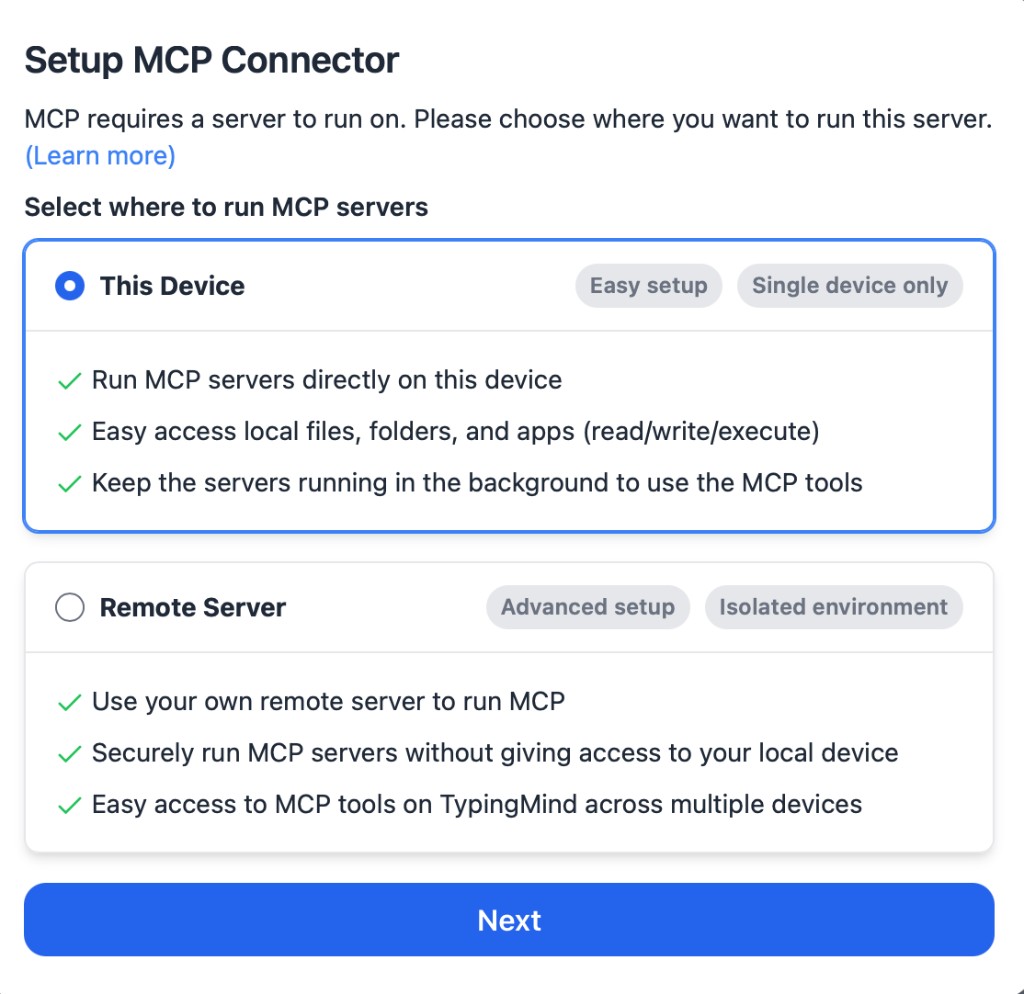
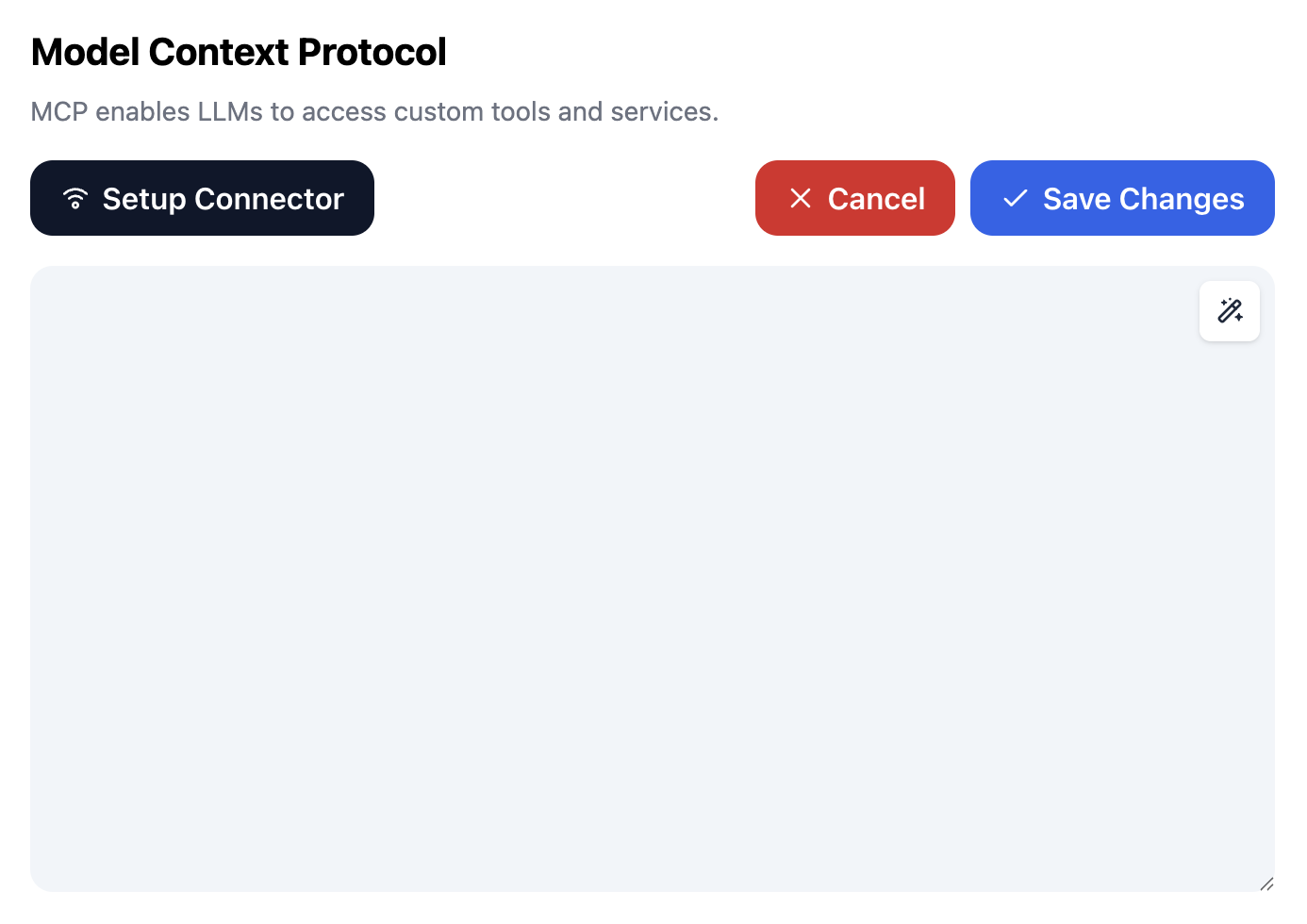
MCP Server (AI Agents)
Listed on mcpservers.org. One-line setup:
json{ "mcpServers": { "pdfmux": { "command": "npx", "args": ["-y", "pdfmux-mcp"] } } }
Or via Claude Code:
bashclaude mcp add pdfmux -- npx -y pdfmux-mcp
Tools exposed: convert_pdf, analyze_pdf, extract_structured,
extract_streaming, get_pdf_metadata, batch_convert.
BYOK LLM Configuration
pdfmux supports any LLM via 5 lines of YAML. Bring your own keys -- nothing leaves your machine unless you configure it to.
yaml# ~/.pdfmux/llm.yaml provider: claude # gemini | claude | openai | ollama | any OpenAI-compatible model: claude-sonnet-4-20250514 api_key: ${ANTHROPIC_API_KEY} base_url: https://api.anthropic.com # optional, for custom endpoints max_cost_per_page: 0.02 # budget cap
Supported providers:
| Provider | Models | Local? | Cost |
|---|---|---|---|
| Gemini | 2.5 Flash, 2.5 Pro | No | ~$0.01/page |
| Gemma 3 | 27B IT, 12B IT (great for Arabic) | No (via Gemini key) | ~$0.0002/page |
| Claude | Sonnet, Opus | No | ~$0.015/page |
| GPT-4o | GPT-4o, GPT-4o-mini | No | ~$0.01/page |
| Mistral | mistral-ocr-latest | No | $0.002/page |
| Ollama | Any local model | Yes | Free |
| Custom | Any OpenAI-compatible API | Configurable | Varies |
Every provider's extract_page() is wrapped in @with_retry(max_attempts=3, backoff_base=2.0), which honors Retry-After headers on 429s and skips
retries on auth failures so a bad key fails fast.
Arabic & RTL Support
pdfmux ships first-class support for Arabic, Persian, Urdu, and Hebrew. Out of the box, RTL detection runs on every PDF and PyMuPDF-extracted pages are passed through the Unicode Bidirectional Algorithm so glyphs that were stored in left-to-right order render in correct reading order.
bash# Default install — already includes python-bidi for RTL reordering pip install pdfmux # Recommended for Arabic-heavy docs — adds Gemma vision OCR # (Gemma speaks the OpenAI protocol, so it needs the openai SDK) pip install "pdfmux[llm-openai]" # One credential covers Gemma + Gemini (same Google endpoint) export GEMINI_API_KEY=...
What happens automatically:
pdfmux convertdetects Arabic content and routes pages with >5% Arabic characters through the Arabic-aware extractor chain.- PyMuPDF, RapidOCR, and Docling outputs are post-processed with the
Bidi algorithm — markdown headings (
#) and pipe-table rows preserve structure, only inner text is reordered. DocumentResult.has_arabicis set toTruewhenever any page contains Arabic script.
What requires opt-in:
- Vision LLM extraction. Set
--llm-provider gemma(or any vision provider) to route Arabic pages through Gemma instead of PyMuPDF. - Aggressive normalization (Tatweel removal, Alef/Yeh unification,
Tashkeel stripping) — call
pdfmux.arabic.normalize_arabic(text)on extracted strings if you need canonicalized output for search or embedding.
pythonfrom pdfmux.arabic import ( is_arabic_text, is_rtl_dominant, fix_bidi_order, normalize_arabic, ) text = "مرحبا بالعالم" assert is_arabic_text(text) assert is_rtl_dominant(text) # Fix glyph order from PyMuPDF / OCR engines visual = fix_bidi_order(text) # Canonicalize for indexing — strip Tatweel, unify Alef variants, drop diacritics indexable = normalize_arabic("أَحْمَدْ") # → "احمد"
Proof: a real customer batch
We measured pdfmux on 433 real customer documents — technical and safety data sheets, mixed digital and scanned, some encoding-corrupted. Run the naive way first (an early pdfmux CLI in a subprocess, pypdf fallback, no OCR), the pipeline silently dropped 16 documents — 11 of them with no log line at all. That was our own tool failing at the exact thing it promises.
Rebuilt with the per-page audit + budgeted OCR cascade: 433 of 433 processed, zero silent failures. Every unrecoverable page is flagged, not dropped.
(A small internal confidence-calibration set also ships under eval/ — it's a regression guard on the confidence gate, not a competitive benchmark; see eval/README.md.)
Benchmark
On opendataloader-bench — 200 real-world PDFs (financial filings, academic papers, legal contracts, government reports) — pdfmux scores 0.903 overall — #2 of the 8 engines measured, behind opendataloader-hybrid (0.909). Re-run 2026-07-16 (reproduction below).
| Rank | Engine | Overall | Reading order | Tables (TEDS) | License | GPU |
|---|---|---|---|---|---|---|
| 1 | opendataloader-hybrid | 0.909 | 0.935 | 0.928 | Apache-2.0 | No |
| 2 | pdfmux | 0.903 | 0.920 | 0.911 | MIT | No |
| 3 | Docling | 0.877 | 0.900 | 0.887 | MIT | Optional |
| 4 | marker | 0.861 | 0.890 | 0.808 | free | GPU |
| 5 | mineru | 0.831 | 0.857 | 0.873 | free | GPU |
Full per-document scores: the 200-PDF head-to-head · methodology: best PDF extraction library, benchmarked.
Smart Result Cache
Re-running the same extraction is instant. pdfmux hashes every input PDF
(SHA-256) and keys results on (file_hash, quality, format, schema). Cache
files live under ~/.cache/pdfmux/results/, expire after 30 days, and are
LRU-evicted at 1 GB.
bashpdfmux convert big-report.pdf # first run: 14.2s pdfmux convert big-report.pdf # cache hit: 0.05s pdfmux convert big-report.pdf --no-cache # bypass cache (still writes back) pdfmux convert big-report.pdf --clear-cache # purge and re-run
The cache also speeds up --profile, --schema, and --format switches —
each combination is keyed independently, so you can flip between Markdown
and JSON for the same document for free after the first extraction.
Confidence Scoring
Every result includes a 4-signal confidence score:
- 95-100% -- clean digital text, fully extractable
- 80-95% -- good extraction, minor OCR noise on some pages
- 50-80% -- partial extraction, some pages unrecoverable
- <50% -- significant content missing, warnings included
When confidence drops below 80%, pdfmux tells you exactly what went wrong and how to fix it:
Page 4: 32% confidence. 0 chars extracted from image-heavy page. -> Install pdfmux[ocr] for RapidOCR support on 6 image-heavy pages.
Cost Modes
| Mode | Behavior | Typical cost |
|---|---|---|
| economy | Rule-based backends only. No LLM calls. | $0/page |
| balanced | LLM only for pages that fail rule-based extraction. | ~$0.002/page avg |
| premium | LLM on every page for maximum quality. | ~$0.01/page |
Set a hard budget cap: --budget 0.50 stops LLM calls when spend reaches $0.50 per document.
Why pdfmux?
pdfmux is not another PDF extractor. It is the orchestration layer that picks the right extractor per page, verifies the result, and retries failures.
| Tool | Good at | Limitation |
|---|---|---|
| PyMuPDF | Fast digital text | Cannot handle scans or image layouts |
| Docling | Tables (97.9% accuracy) | Slow on non-table documents |
| Marker | Neural extraction for academic papers | Needs GPU for speed; overkill for digital PDFs |
| Mistral OCR | Tables (96.6% TEDS), $0.002/page | Cloud-only API |
| Unstructured | Enterprise platform | Complex setup, paid tiers |
| LlamaParse | Cloud-native | Requires API keys, not local |
| Reducto | High accuracy | $0.015/page, closed source |
| pdfmux | Orchestrates all of the above | Routes per page, audits, re-extracts |
Open source Reducto alternative: what costs $0.015/page elsewhere is free with pdfmux's rule-based backends, or ~$0.002/page average with BYOK LLM fallback.
Development
bashgit clone https://github.com/NameetP/pdfmux.git cd pdfmux python3.12 -m venv .venv && source .venv/bin/activate pip install -e ".[dev]" pytest # 659 tests ruff check src/ tests/ ruff format src/ tests/
Contributing
- Fork the repo
- Create a branch (
git checkout -b feature/your-feature) - Write tests for new functionality
- Ensure
pytestandruff checkpass - Open a PR
License
The pdfmux library and MCP server in this repository are MIT licensed — free for any use, and every released version stays MIT.
The confidence-budgeted decision-trace method (the persisted per-page decision trace with retained rejected candidates, and the monotonic repair guard) is patent-pending (US Provisional App No. 64/106,302) and is reserved for pdfmux Cloud/Pro under a separate commercial license — it is not part of the MIT grant. See LICENSING.md and NOTICE.