mcp-sequentialthinking-tools


A lightweight MCP server for recording sequential reasoning steps. It is a scratchpad with history, branching, revision metadata, and optional validation for model-authored tool plans.
It does not discover your other MCP tools and it does not
choose tools for the model. If you pass available_tools and
recommended_tools, the server validates that the recommended names
exist and stores the step.
Why use it?
Use this when a task benefits from explicit, inspectable reasoning:
- breaking a messy problem into steps;
- revising or branching a plan;
- keeping a small reasoning history by session;
- validating tool-plan names against a supplied tool list;
- clearing or inspecting reasoning history during a long agent run.
Do not use it for trivial requests. It adds overhead.
Tools
sequentialthinking_tools
Records one thought.
Required parameters:
thought— current reasoning stepthought_number— current step numbertotal_thoughts— current estimate; automatically raised if lower thanthought_numbernext_thought_needed— whether another thought is needed
Optional parameters:
session_id— history bucket; defaults todefaultis_revision,revises_thoughtbranch_from_thought,branch_idneeds_more_thoughtsavailable_tools— array of tool names or{ name, description }objectsrecommended_tools— model-authored recommendations to validate/storeremaining_steps— short list of upcoming steps
Example:
json{ "session_id": "svelte-debug", "thought": "First inspect the route files, then run the failing check.", "thought_number": 1, "total_thoughts": 3, "next_thought_needed": true, "available_tools": ["read", "bash"], "recommended_tools": [ { "tool_name": "read", "confidence": 0.9, "rationale": "Need to inspect the relevant files before editing.", "priority": 1 } ] }
If recommended_tools contains a name not present in
available_tools, the call returns isError: true and does not store
the thought.
Security posture
The server treats thought text, tool descriptions, rationales, and
remaining-step text as untrusted input. Prompt-injection-like text is
scanned and redacted before it is stored or returned in history. Calls
with redactions include security_warnings showing which fields
matched.
This is defensive filtering, not a guarantee that arbitrary adversarial text is safe. Do not put secrets in thoughts or tool descriptions.
get_thinking_history
Returns stored thoughts for a session.
Parameters:
session_id— defaults todefaultbranch_id— optional branch filterlimit— max records to return; default50, max500
clear_thinking_history
Clears one session or every session.
Parameters:
session_id— defaults todefaultall_sessions— clear all history buckets
Prompt
sequential-thinking-guidance
A short prompt that tells the model how to use this server honestly: as a scratchpad and validator, not as an external reasoning engine.
Configuration
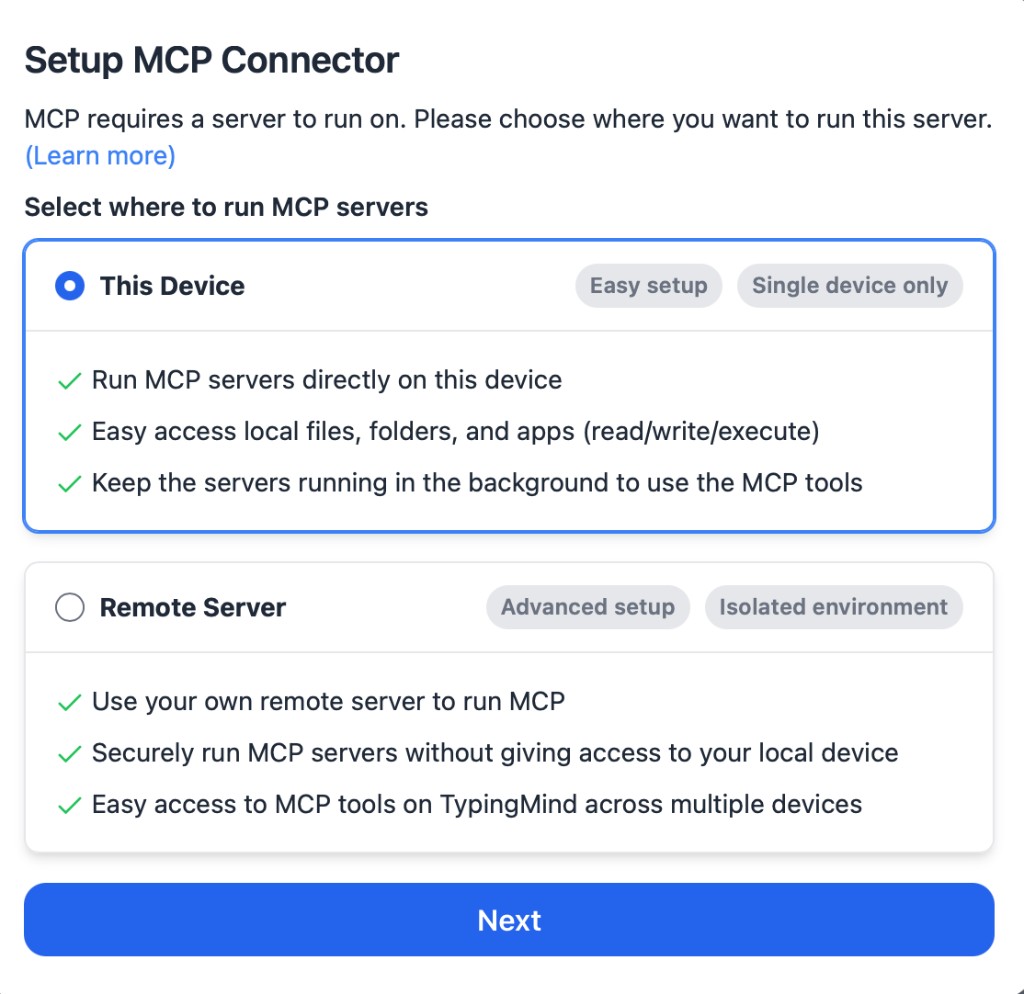
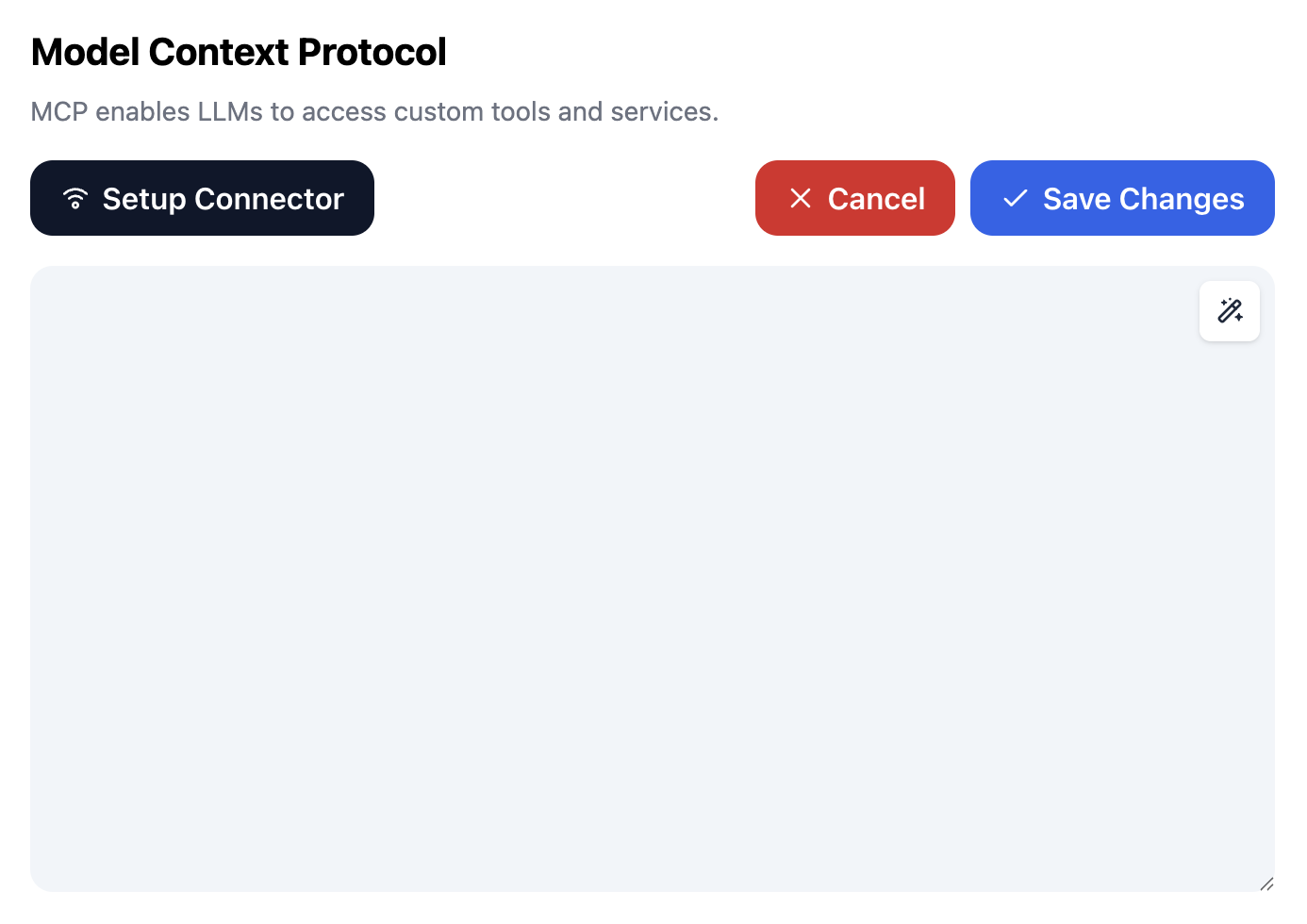
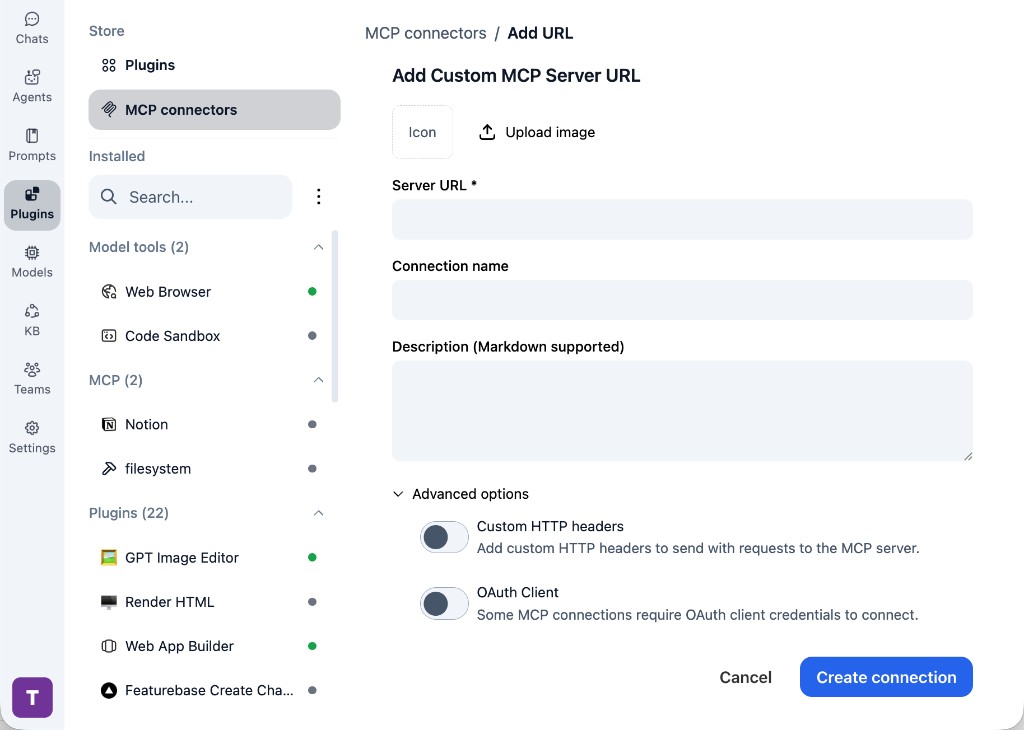
Claude Desktop / compatible MCP clients
json{ "mcpServers": { "mcp-sequentialthinking-tools": { "command": "npx", "args": ["-y", "mcp-sequentialthinking-tools"], "env": { "MAX_HISTORY_SIZE": "1000" } } } }
MAX_HISTORY_SIZE is per session and defaults to 1000.
The server uses tmcp and includes a small stdio transport that
accepts both standard Content-Length framed MCP messages and
newline-delimited JSON used by older tmcp tooling.
Development
bashpnpm install pnpm test pnpm build pnpm check
This project uses vite-plus for build, test, format, and lint
orchestration.
Publishing
bashpnpm changeset pnpm changeset version pnpm release
License
MIT License — see LICENSE.
Acknowledgments
- Built on the Model Context Protocol
- Adapted from the MCP Sequential Thinking Server