Synaptic
Give your coding assistant a map of the codebase, not a pile of files.
Synaptic maps a repository once so you and your coding assistant do not have to rediscover it every session. Ask how a system works, what depends on a symbol, or what a change may break. The answers come from a persistent, source-grounded knowledge graph, available from the CLI or through MCP. Synaptic can also remember past changes and plan small, reviewable API and dependency repairs.
Code extraction is local and deterministic. Synaptic ships as a single Rust binary with no runtime, database, account, or API key required.
Documentation | Quickstart | Benchmarks | Discord
Get started
Install the latest checksummed release:
sh# macOS / Linux curl --proto '=https' --tlsv1.2 -LsSf https://raw.githubusercontent.com/ColinVaughn/Synaptic/main/install.sh | sh # Windows PowerShell irm https://raw.githubusercontent.com/ColinVaughn/Synaptic/main/install.ps1 | iex
Then run Synaptic from a repository:
shsynaptic extract . # build synaptic-out/graph.json synaptic query "how does authentication work?" synaptic affected parse_config # what could this change break?
Extraction honors .gitignore and .synapticignore, skips common secret files, and stays
offline unless you explicitly enable a network-backed feature.
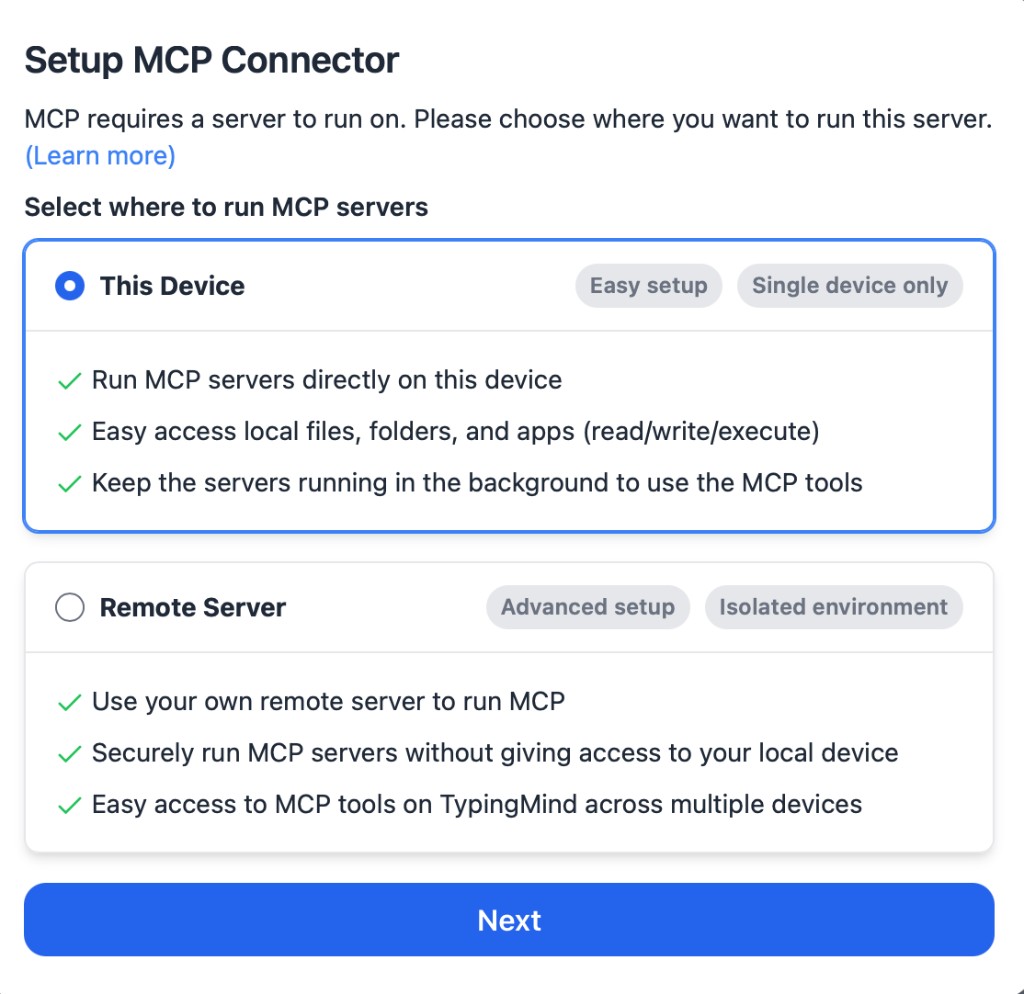
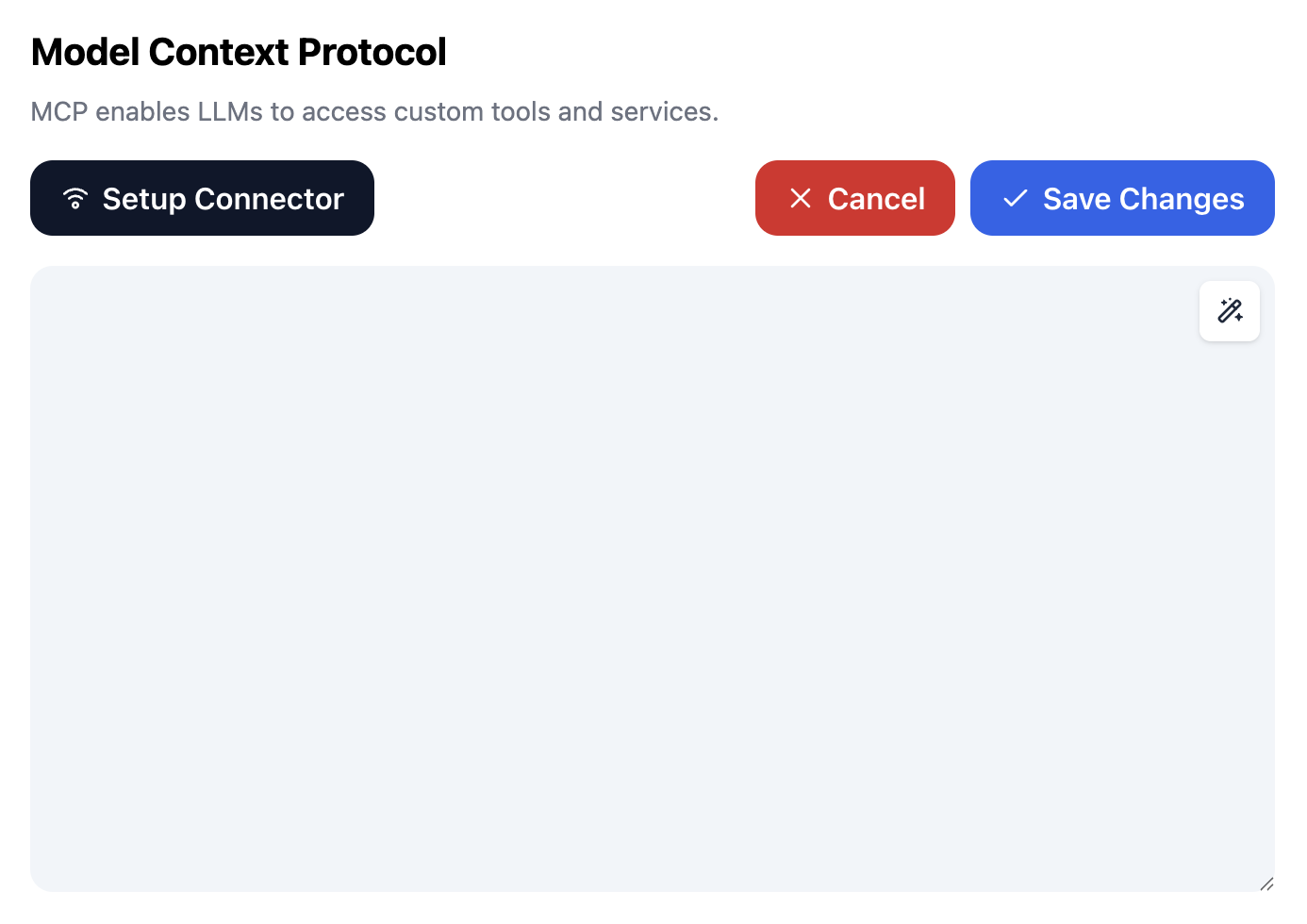
Connect your coding assistant
shsynaptic install claude # Claude Code synaptic install codex # Codex CLI synaptic install codex --global # Codex desktop app
Claude and Codex load only a small set of tools at startup, then find the rest on demand. This
keeps prompts smaller without hiding capabilities. Gemini, Cursor, Copilot, OpenCode, Kilo,
and generic AGENTS.md clients are supported too. See
Assistant Integration.
What it does
| Need | What Synaptic provides |
|---|---|
| Understand the code | Symbols, calls, imports, inheritance, resources, SQL, and cross-language boundaries in one graph |
| Find impact | Callers, references, reverse dependencies, dynamic-dispatch hazards, and affected tests |
| Change code safely | Change forecasts, refactor plans, architecture diffs, and optional verification in an isolated worktree |
| Remember the past | Source-linked history from commits, decisions, incidents, reviews, CI, and previous attempts |
| Maintain dependencies | API contract tracking and vulnerability evidence with small, reviewable repair workflows |
Synaptic supports dozens of languages, incremental updates, multi-repository federation, structural search, SQL auditing, graph-aware PR review, and exports for GraphML, Cypher, Graphviz, Obsidian, and Markdown. Detailed capabilities live in the documentation, keeping this page focused on getting started.
See the architecture
shsynaptic chart
This creates a self-contained architecture map from the graph. Open a subsystem, select a symbol, and follow its real incoming and outgoing relationships without a server.
Built to save context
Synaptic returns the relevant slice of a graph instead of loading whole source files into an assistant's context. In the checked-in token benchmark, full graph answers used 27-38x fewer tokens than reading the source files referenced by those answers. That is a context-compression measurement, not a promise about total task cost. The methodology and raw results are in BENCHMARKS.md.
Common commands
| Command | Purpose |
|---|---|
synaptic extract . | Build the graph |
synaptic update / synaptic watch | Keep it current |
synaptic query "..." | Find the relevant subgraph for a question |
synaptic affected <symbol> | Trace reverse impact |
synaptic predict <files> | Forecast risk and select tests |
synaptic speculate <files> | Verify a change in a throwaway worktree |
synaptic memory search "..." | Find relevant repository history |
synaptic serve | Run the MCP server |
Run synaptic <command> --help for flags or use the complete
command reference.
Pick a workflow
- CLI: the fastest path for local extraction, queries, automation, and MCP.
- Desktop: run
synaptic-uifor visual repository setup, federation, assistant connection, updates, and the complete command catalog. - Hosted: Synaptic Cloud provides a managed MCP service. See the GitHub automation guide for commit-triggered graph sync and verified repair workflows.
Update a release installation with synaptic self-update.
Documentation
- Installation and Quickstart
- Querying, languages, and output formats
- MCP server and assistant integration
- Repository memory, API maintenance, and vulnerability management
- Workspaces and federation, configuration, and development
Build from source
The repository pins Rust 1.97.1.
shcargo install --path bin/synaptic cargo install --path bin/synaptic-ui # optional desktop app
For development and architecture notes, see the development guide.
Community and license
Questions, ideas, or something you built? Join the Discord community.
Synaptic is licensed under AGPL-3.0-or-later; see LICENSE and NOTICE.
If you modify Synaptic and make it available over a network, you must offer those users the
corresponding source. The separately maintained Synaptic Cloud service is proprietary and is
not covered by this repository's license.