MCP Trino Server




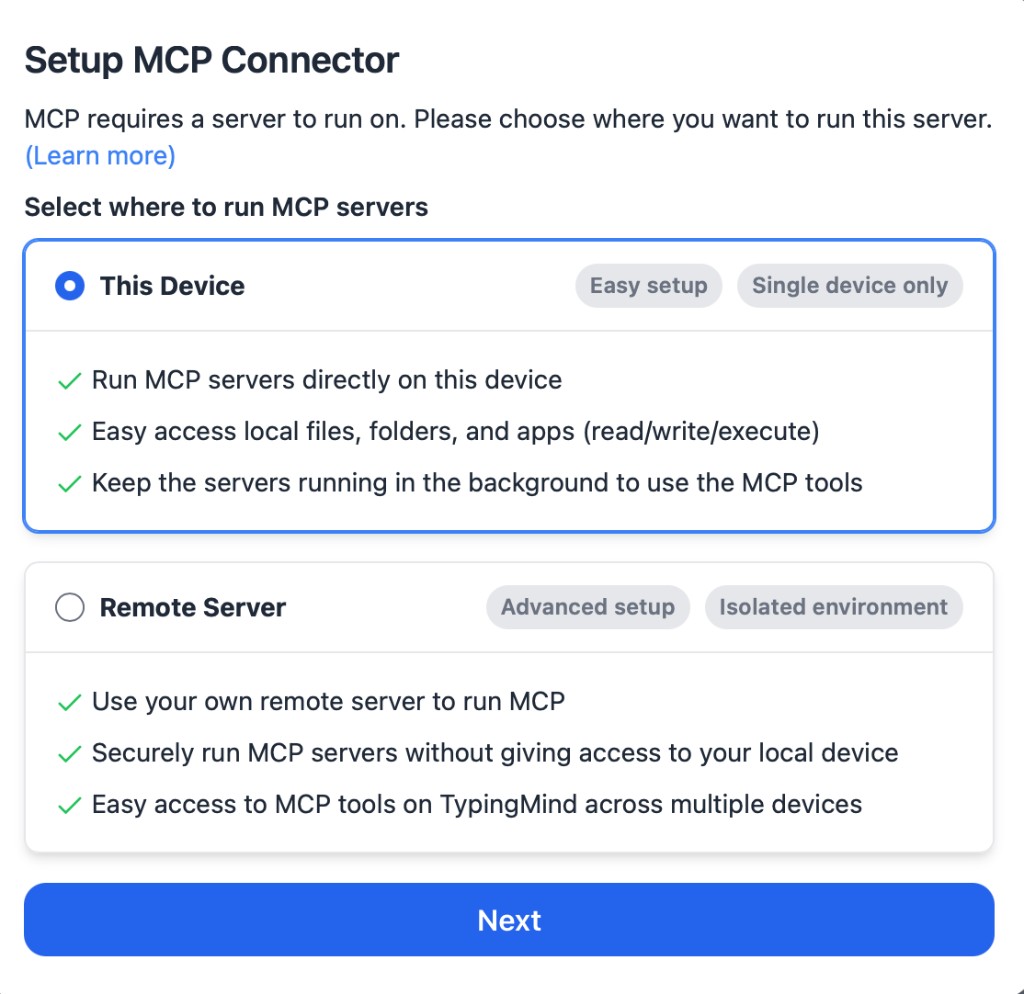
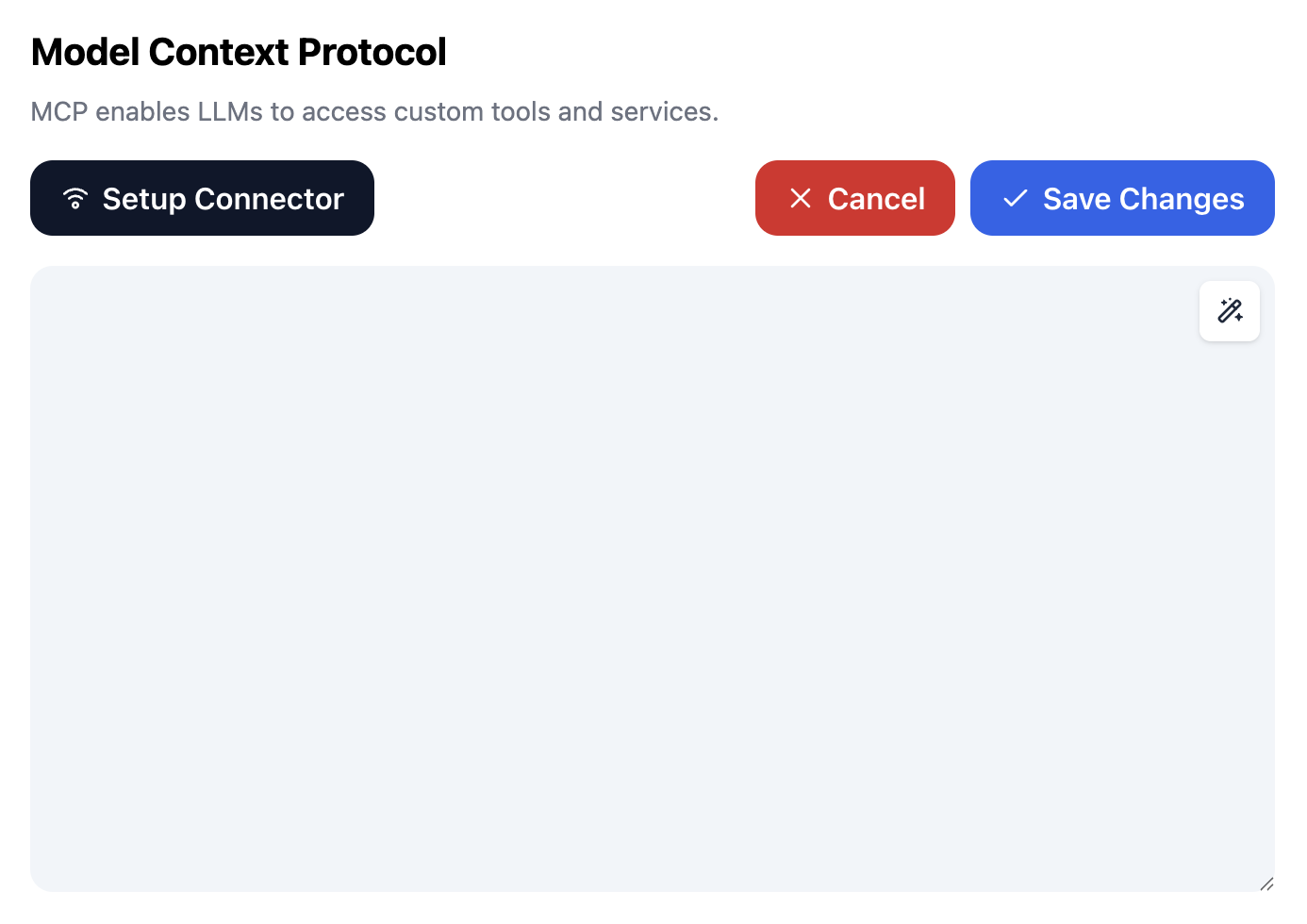
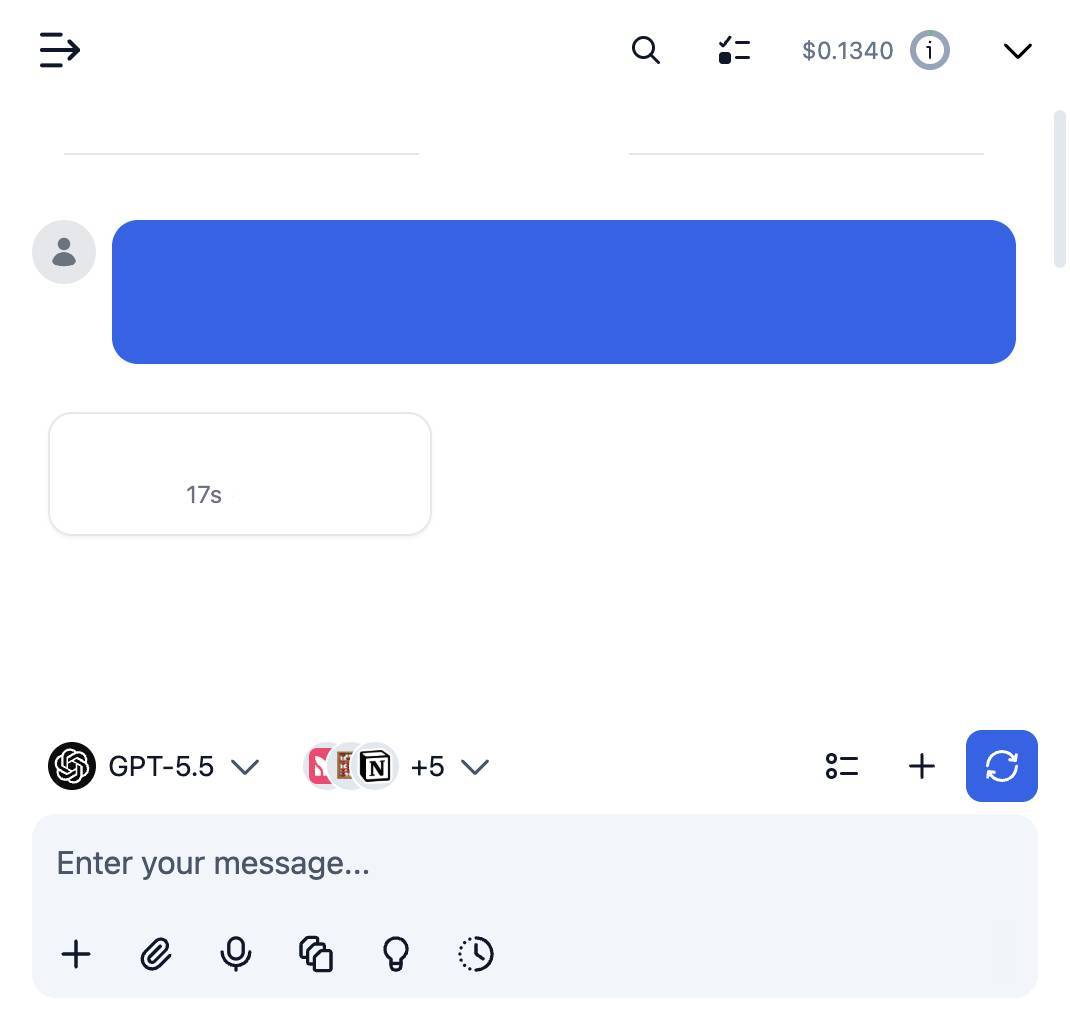
The MCP Trino Server is a Model Context Protocol (MCP) server that provides seamless integration with Trino and Iceberg, enabling advanced data exploration, querying, and table maintenance capabilities through a standard interface.
Use Cases
- Interactive data exploration and analysis in Trino
- Automated Iceberg table maintenance and optimization
- Building AI-powered tools that interact with Trino databases
- Executing and managing SQL queries with proper result formatting
Prerequisites
- A running Trino server (or Docker Compose for local development)
- Python 3.12 or higher
- Docker (optional, for containerized deployment)
Quick Start
1. Clone the Repository
bashgit clone https://github.com/alaturqua/mcp-trino-python.git cd mcp-trino-python
2. Create Environment File
Create a .env file in the root directory:
bashTRINO_HOST=localhost TRINO_PORT=8080 TRINO_USER=trino TRINO_CATALOG=tpch TRINO_SCHEMA=tiny
3. Run Trino Locally (Optional)
bashdocker-compose up -d trino
This starts a Trino server on localhost:8080 with sample TPC-H and TPC-DS data.
Installation
Installing via Smithery
To install MCP Trino Server for Claude Desktop automatically via Smithery:
bashnpx -y @smithery/cli install @alaturqua/mcp-trino-python --client claude
Using uv (Recommended)
bashuv sync uv run src/server.py
Using pip
bashpip install -e . python src/server.py
Transport Modes
The server supports three transport modes:
| Transport | Description | Use Case |
|---|---|---|
stdio | Standard I/O (default) | VS Code, Claude Desktop, local MCP clients |
streamable-http | HTTP with streaming | Remote access, web clients, Docker |
sse | Server-Sent Events | Legacy HTTP transport |
Running with Different Transports
bash# stdio (default) - for VS Code and Claude Desktop python src/server.py # Streamable HTTP - for remote/web access python src/server.py --transport streamable-http --host 0.0.0.0 --port 8000 # SSE - legacy HTTP transport python src/server.py --transport sse --host 0.0.0.0 --port 8000
Usage with VS Code
Add to your VS Code settings (Ctrl+Shift+P → Preferences: Open User Settings (JSON)):
json{ "mcp": { "servers": { "mcp-trino-python": { "command": "uv", "args": [ "run", "--with", "mcp[cli]", "--with", "trino", "--with", "loguru", "mcp", "run", "/path/to/mcp-trino-python/src/server.py" ], "envFile": "/path/to/mcp-trino-python/.env" } } } }
Or add to .vscode/mcp.json in your workspace (without the mcp wrapper key).
Usage with Claude Desktop
Add to your Claude Desktop configuration:
json{ "mcpServers": { "trino": { "command": "python", "args": ["./src/server.py"], "env": { "TRINO_HOST": "your-trino-host", "TRINO_PORT": "8080", "TRINO_USER": "trino" } } } }
Docker Usage
Build the Image
bashdocker build -t mcp-trino-python .
Run with stdio (for VS Code)
bashdocker run -i --rm \ -e TRINO_HOST=host.docker.internal \ -e TRINO_PORT=8080 \ -e TRINO_USER=trino \ mcp-trino-python
Run with Streamable HTTP
bashdocker run -p 8000:8000 \ -e TRINO_HOST=host.docker.internal \ -e TRINO_PORT=8080 \ mcp-trino-python \ --transport streamable-http --host 0.0.0.0 --port 8000
Docker Compose
bash# Start Trino + MCP server with Streamable HTTP docker-compose up -d # Start with SSE transport docker-compose --profile sse up -d # Run stdio for testing docker-compose --profile stdio run --rm mcp-trino-stdio
VS Code with Docker
json{ "mcp": { "servers": { "mcp-trino-python": { "command": "docker", "args": [ "run", "-i", "--rm", "--network", "mcp-trino-python_trino-network", "-e", "TRINO_HOST=trino", "-e", "TRINO_PORT=8080", "-e", "TRINO_USER=trino", "mcp-trino-python" ] } } } }
Configuration
Environment Variables
| Variable | Description | Default |
|---|---|---|
| TRINO_HOST | Trino server hostname | localhost |
| TRINO_PORT | Trino server port | 8080 |
| TRINO_USER | Trino username | trino |
| TRINO_CATALOG | Default catalog | None |
| TRINO_SCHEMA | Default schema | None |
| TRINO_HTTP_SCHEME | HTTP scheme (http/https) | http |
| TRINO_PASSWORD | Trino password | None |
Tools
Query and Exploration Tools
-
show_catalogs
- List all available catalogs
- No parameters required
-
show_schemas
- List all schemas in a catalog
- Parameters:
catalog: Catalog name (string, required)
-
show_tables
- List all tables in a schema
- Parameters:
catalog: Catalog name (string, required)schema: Schema name (string, required)
-
describe_table
- Show detailed table structure and column information
- Parameters:
table: Table name (string, required)catalog: Catalog name (string, optional)schema: Schema name (string, optional)
-
execute_query
- Execute a SQL query and return formatted results
- Parameters:
query: SQL query to execute (string, required)
-
show_catalog_tree
- Show a hierarchical tree view of catalogs, schemas, and tables
- Returns a formatted tree structure with visual indicators
- No parameters required
-
show_create_table
- Show the CREATE TABLE statement for a table
- Parameters:
table: Table name (string, required)catalog: Catalog name (string, optional)schema: Schema name (string, optional)
-
show_create_view
- Show the CREATE VIEW statement for a view
- Parameters:
view: View name (string, required)catalog: Catalog name (string, optional)schema: Schema name (string, optional)
-
show_stats
- Show statistics for a table
- Parameters:
table: Table name (string, required)catalog: Catalog name (string, optional)schema: Schema name (string, optional)
Iceberg Table Maintenance
-
optimize
- Optimize an Iceberg table by compacting small files
- Parameters:
table: Table name (string, required)catalog: Catalog name (string, optional)schema: Schema name (string, optional)
-
optimize_manifests
- Optimize manifest files for an Iceberg table
- Parameters:
table: Table name (string, required)catalog: Catalog name (string, optional)schema: Schema name (string, optional)
-
expire_snapshots
- Remove old snapshots from an Iceberg table
- Parameters:
table: Table name (string, required)retention_threshold: Age threshold (e.g., "7d") (string, optional)catalog: Catalog name (string, optional)schema: Schema name (string, optional)
Iceberg Metadata Inspection
-
show_table_properties
- Show Iceberg table properties
- Parameters:
table: Table name (string, required)catalog: Catalog name (string, optional)schema: Schema name (string, optional)
-
show_table_history
- Show Iceberg table history/changelog
- Contains snapshot timing, lineage, and ancestry information
- Parameters:
table: Table name (string, required)catalog: Catalog name (string, optional)schema: Schema name (string, optional)
-
show_metadata_log_entries
- Show Iceberg table metadata log entries
- Contains metadata file locations and sequence information
- Parameters:
table: Table name (string, required)catalog: Catalog name (string, optional)schema: Schema name (string, optional)
-
show_snapshots
- Show Iceberg table snapshots
- Contains snapshot details including operations and manifest files
- Parameters:
table: Table name (string, required)catalog: Catalog name (string, optional)schema: Schema name (string, optional)
-
show_manifests
- Show Iceberg table manifests for current or all snapshots
- Contains manifest file details and data file statistics
- Parameters:
table: Table name (string, required)catalog: Catalog name (string, optional)schema: Schema name (string, optional)all_snapshots: Include all snapshots (boolean, optional)
-
show_partitions
- Show Iceberg table partitions
- Contains partition statistics and file counts
- Parameters:
table: Table name (string, required)catalog: Catalog name (string, optional)schema: Schema name (string, optional)
-
show_files
- Show Iceberg table data files in current snapshot
- Contains detailed file metadata and column statistics
- Parameters:
table: Table name (string, required)catalog: Catalog name (string, optional)schema: Schema name (string, optional)
-
show_entries
- Show Iceberg table manifest entries for current or all snapshots
- Contains entry status and detailed file metrics
- Parameters:
table: Table name (string, required)catalog: Catalog name (string, optional)schema: Schema name (string, optional)all_snapshots: Include all snapshots (boolean, optional)
-
show_refs
- Show Iceberg table references (branches and tags)
- Contains reference configuration and snapshot mapping
- Parameters:
table: Table name (string, required)catalog: Catalog name (string, optional)schema: Schema name (string, optional)
Query History
- show_query_history
- Get the history of executed queries
- Parameters:
limit: Maximum number of queries to return (number, optional)
License
This project is licensed under the Apache 2.0 License. Please refer to the LICENSE file for the full terms.