Web3 Research MCP
Deep Research for crypto - free & fully local 🧠
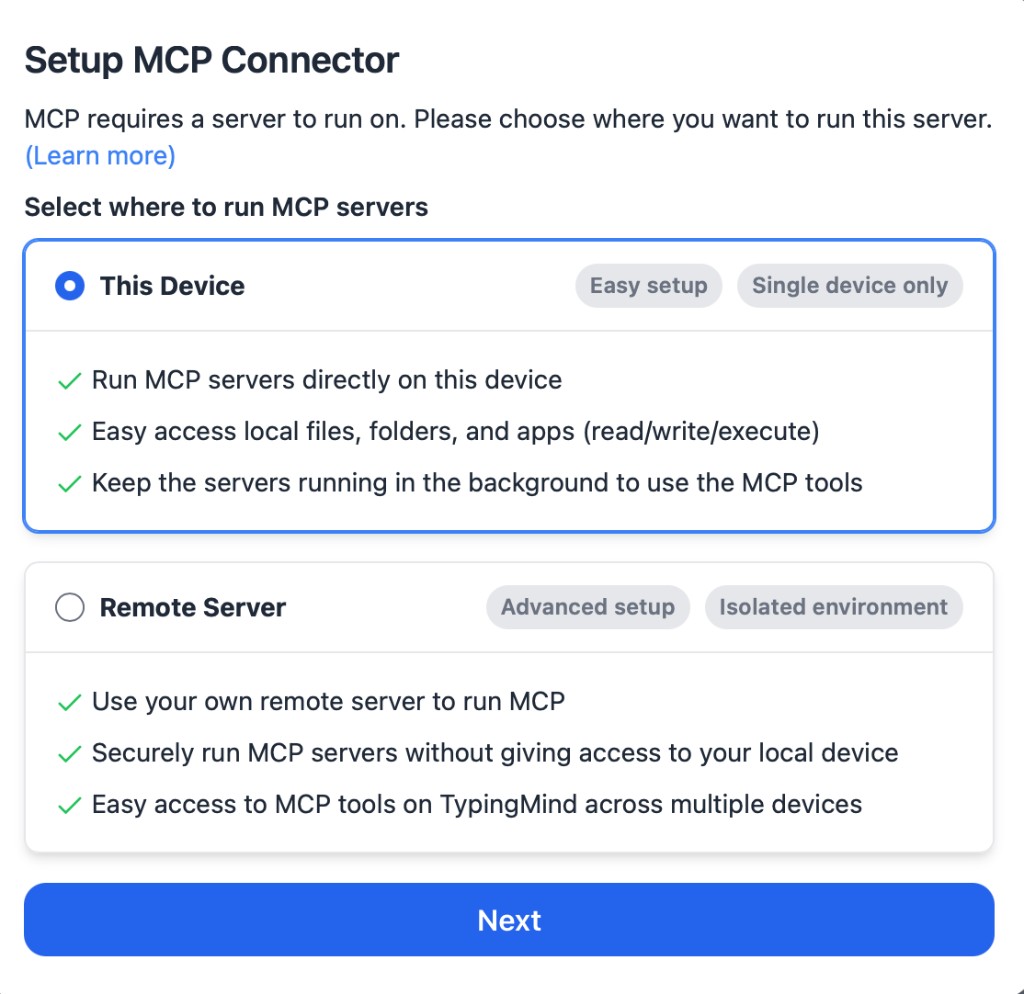
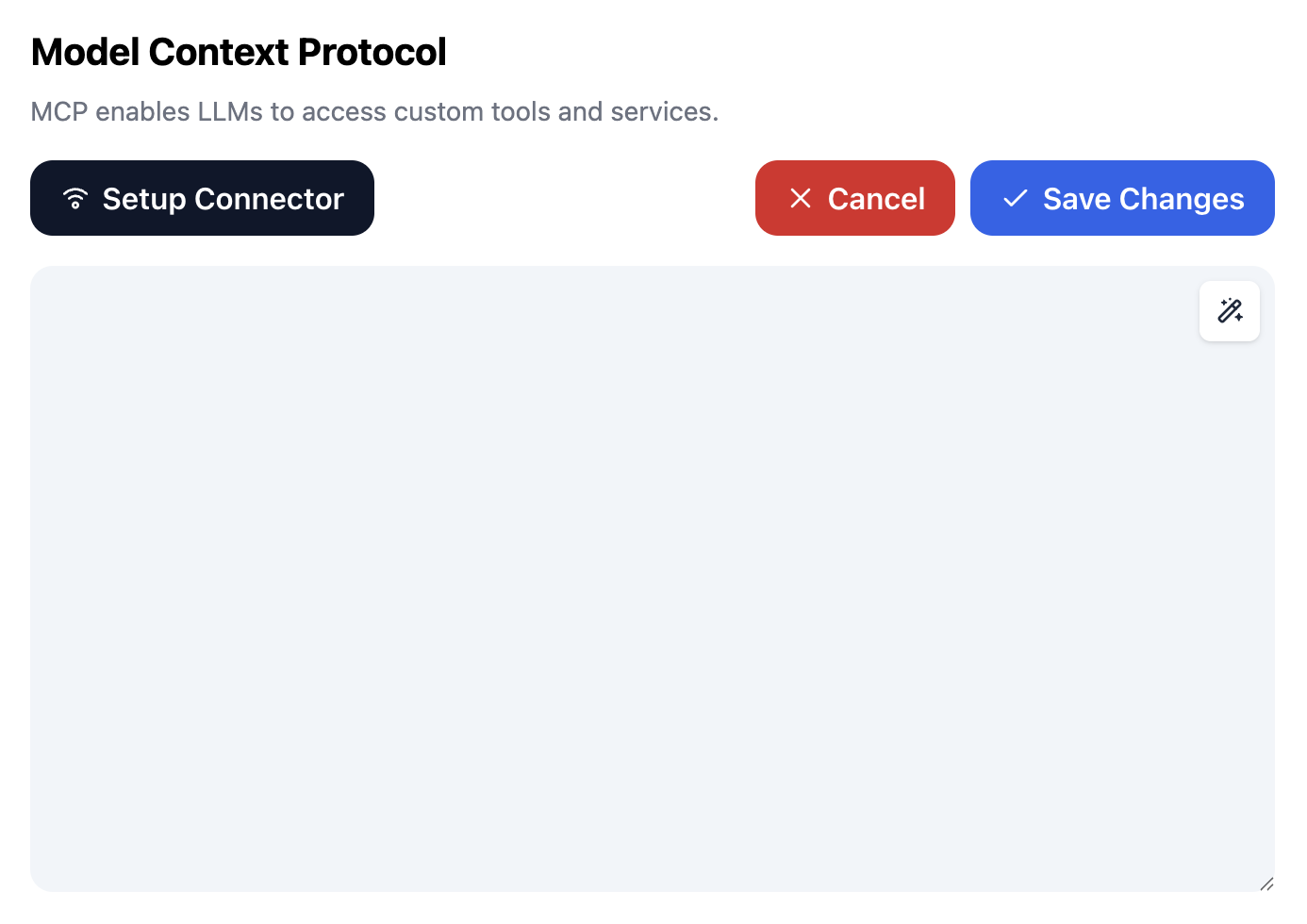
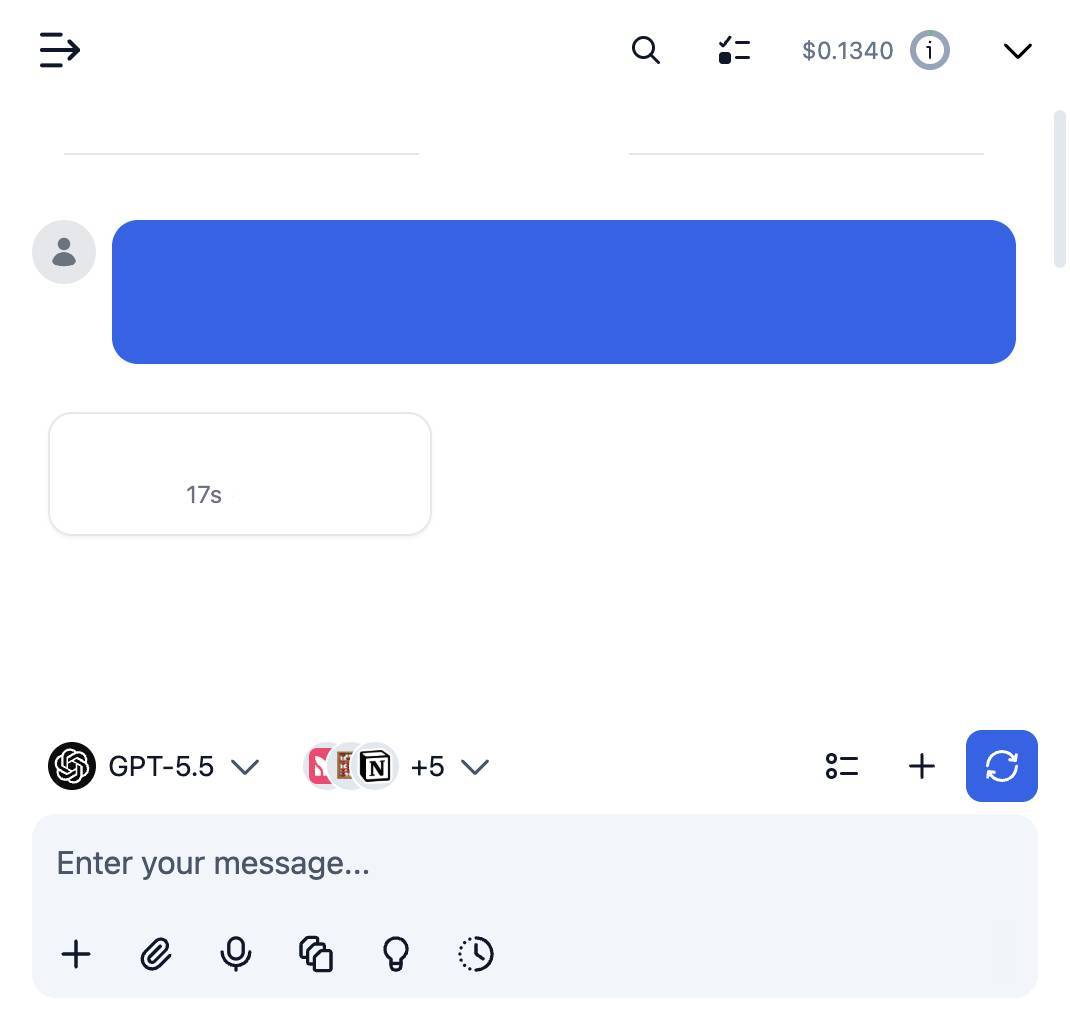
🚀 Preview


🧠 Features
- Comprehensive Research: Gather detailed information about any cryptocurrency token
- Multi-Source Analysis: Research across multiple sources including CoinGecko, CoinMarketCap, DeFiLlama, and more
- Structured Reporting: Generate detailed reports covering technical fundamentals, market data, social sentiment, and more
- Resource Management: Automatically stores search results and content for reference
- Status Tracking: Track research progress through different stages and sections
📋 Requirements
- Node.js (v16 or higher)
🔧 Installation & Setup
Installing via Smithery
To install web3-research-mcp for Claude Desktop automatically via Smithery:
bashnpx -y @smithery/cli install web3-research-mcp --client claude
🔌 Using with Claude Desktop
Edit your Claude Desktop config file
- Windows: %APPDATA%\Claude\claude_desktop_config.json
- macOS: ~/Library/Application Support/Claude/claude_desktop_config.json
Add this to your Claude Desktop configuration file:
json{ "mcpServers": { "web3-research-mcp": { "command": "npx", "args": ["-y", "web3-research-mcp@latest"] } } }
Then restart Claude Desktop
🔌 Using with Cursor
Go to: Settings -> Cursor Settings -> MCP -> Add new global MCP server Paste this into your Cursor ~/.cursor/mcp.json file. See Cursor MCP docs for more info.
json{ "mcpServers": { "web3-research-mcp": { "command": "npx", "args": ["-y", "web3-research-mcp@latest"] } } }
Then restart Cursor
🛠️ Tools
create-research-plan
Creates a structured research plan for a token.
Parameters:
- tokenName: Full name of the token
- tokenTicker: Ticker symbol of the token
search
Performs a web search and returns the results.
Parameters:
- query: Search query
- searchType: Type of search (web, news, images, videos)
research-with-keywords
Searches for a token with specific keywords and saves the results.
Parameters:
- tokenName: Name of the token
- tokenTicker: Ticker symbol
- keywords: Array of keywords to search for
update-status
Updates the status of a research section.
Parameters:
- section: Section name to update (e.g., 'projectInfo', 'technicalFundamentals')
- status: New status for the section (planned, in_progress, completed)
fetch-content
Fetches content from a URL and saves it as a resource.
Parameters:
- url: URL to fetch content from
- format: Output format (text, html, markdown, json)
list-resources
Lists all available resources that have been saved.
search-source
Searches for information about a token from a specific source.
Parameters:
- tokenName: Name of the token
- tokenTicker: Ticker symbol
- source: Source to search (e.g., 'CoinGecko', 'DeFiLlama', 'News')
coingecko-data
Fetches live market data directly from the CoinGecko public API — price, market cap, 24h/7d/30d changes, ATH/ATL, circulating supply, contract addresses across chains, and social/dev links. Bypasses the 403 issues of HTML scraping.
Parameters:
- tokenName: Full name of the token (e.g., 'Bitcoin')
- tokenTicker: Ticker symbol (e.g., 'BTC')
No API key required. Uses the free public tier (~30 req/min).
Optional: set COINGECKO_API_KEY in the environment to use a CoinGecko Pro API key. When set, requests are sent to https://pro-api.coingecko.com/api/v3 with the x-cg-pro-api-key header. Requests time out after 15s.
coingecko-search
Searches CoinGecko's coin index and returns candidate matches with their CoinGecko IDs. Useful when the ticker is ambiguous (e.g., multiple tokens with the same symbol).
Parameters:
- query: Search query — name, ticker, or contract address
coingecko-tickers
Fetches active exchange listings for a token from CoinGecko — which CEXs/DEXs trade the pair, per-venue 24h USD volume, last price, bid-ask spread, trust score, and trade URL. Sorted by 24h USD volume desc; anomalies and stale prints are filtered out. Bypasses HTML scraping for the "where does this token actually trade" question.
Parameters:
- tokenName: Full name of the token (e.g., 'Bitcoin')
- tokenTicker: Ticker symbol (e.g., 'BTC')
- limit: How many top venues to return (default 15, max 50)
No API key required. Uses the free public tier. Requests time out after 15s.
defillama-data
Fetches protocol data directly from the DeFiLlama public API — total TVL, per-chain TVL breakdown, fees (24h/7d/30d/all-time), token addresses, fundraising rounds, and links. Bypasses HTML scraping for the most common DeFi-protocol lookup.
Parameters:
- tokenName: Full protocol/token name (e.g., 'Uniswap')
- tokenTicker: Ticker symbol (e.g., 'UNI')
No API key required. Uses the free public API. Requests time out after 15s. The protocol index is cached for 5 minutes per process to avoid hammering /protocols on every call.
defillama-search
Searches DeFiLlama's protocol index and returns candidate matches with their slugs, TVL, and category. Useful when the ticker is ambiguous (e.g., multiple protocols with similar names).
Parameters:
- query: Search query — protocol name, ticker, or slug
📝 Prompts
token-research
Initiates comprehensive research on a cryptocurrency token.
Parameters:
- tokenName: Full name of the cryptocurrency token
- tokenTicker: Ticker symbol of the token (e.g., BTC, ETH)
🧠 How It Works
- When research begins, a structured plan is created covering all aspects of the token
- The server performs searches across multiple sources for information
- Search results are stored as resources that can be referenced
- The research progresses through different sections, with status tracking
- A comprehensive report is generated covering all aspects of the token
⚠️ Limitations
- Some websites block web scraping, so direct content fetching may fail with 403 errors
- Relies on search results which may not always be comprehensive
- Rate limits may apply to search operations
📄 License
This project is licensed under the Apache License 2.0 - see the LICENSE file for details.