Google Scholar MCP Server logo

Google Scholar MCP Server

Community
JackKuo666

A MCP Server for Google Scholar: πŸ” Enable AI assistants to search and access Google Scholar papers through a simple MCP interface.

PublisherJackKuo666
RepositoryGoogle-Scholar-MCP-Server
LanguagePython
Forks
53
Stars
332
Available tools
0
Transport typestdio
Categories
Licensenull
Links
  • Connect tools to AI workflows

    Google Scholar MCP Server exposes MCP capabilities that can be used by compatible AI clients and agents.

  • 0 available tools

    Browse the callable actions below, including names and descriptions when provided by the server.

  • Ready-to-copy setup

    Use the installation snippets to configure this server in your preferred MCP client.

  • Open source signals

    332 stars and 53 forks from the linked repository.

Google Scholar MCP Server

smithery badge

πŸ” Enable AI assistants to search and access Google Scholar papers through a simple MCP interface.

The Google Scholar MCP Server provides a bridge between AI assistants and Google Scholar through the Model Context Protocol (MCP). It allows AI models to search for academic papers and access their content in a programmatic way.

✨ Core Features

  • πŸ”Ž Paper Search: Query Google Scholar papers with custom search strings or advanced search parameters βœ…
  • πŸš€ Efficient Retrieval: Fast access to paper metadata βœ…
  • πŸ‘€ Author Information: Retrieve detailed information about authors βœ…
  • πŸ“Š Research Support: Facilitate academic research and analysis βœ…

πŸš€ Quick Start

Installing Manually

Installing via Smithery

To install google-scholar Server for Claude Desktop automatically via Smithery:

claude

sh
npx -y @smithery/cli@latest install @JackKuo666/google-scholar-mcp-server --client claude --config "{}"

Cursor

Paste the following into Settings β†’ Cursor Settings β†’ MCP β†’ Add new server:

  • Mac/Linux
s
npx -y @smithery/cli@latest run @JackKuo666/google-scholar-mcp-server --client cursor --config "{}" 

Windsurf

sh
npx -y @smithery/cli@latest install @JackKuo666/google-scholar-mcp-server --client windsurf --config "{}"

CLine

sh
npx -y @smithery/cli@latest install @JackKuo666/google-scholar-mcp-server --client cline --config "{}"
  1. Clone the repository:

    git clone https://github.com/JackKuo666/google-scholar-MCP-Server.git
    cd google-scholar-MCP-Server
  2. Install the required dependencies:

    pip install -r requirements.txt

For development:

bash
# Clone and set up development environment
git clone https://github.com/JackKuo666/Google-Scholar-MCP-Server.git
cd Google-Scholar-MCP-Server

# Create and activate virtual environment
python -m venv venv
source venv/bin/activate  # On Windows use `venv\Scripts\activate`

# Install dependencies
pip install -r requirements.txt

πŸ“Š Usage

Start the MCP server:

bash
python google_scholar_server.py

Once the server is running, you can use the provided MCP tools in your AI assistant or application. Here are some examples of how to use the tools:

Example 1: Search for papers using keywords

python
result = await mcp.use_tool("search_google_scholar_key_words", {
    "query": "artificial intelligence ethics",
    "num_results": 5
})
print(result)

Example 2: Perform an advanced search

python
result = await mcp.use_tool("search_google_scholar_advanced", {
    "query": "machine learning",
    "author": "Hinton",
    "year_range": [2020, 2023],
    "num_results": 3
})
print(result)

Example 3: Get author information

python
result = await mcp.use_tool("get_author_info", {
    "author_name": "Geoffrey Hinton"
})
print(result)

These examples demonstrate how to use the three main tools provided by the Google Scholar MCP Server. Adjust the parameters as needed for your specific use case.

Usage with Claude Desktop

Add this configuration to your claude_desktop_config.json:

(Mac OS)

json
{
  "mcpServers": {
    "google-scholar": {
      "command": "python",
      "args": ["-m", "google_scholar_mcp_server"]
      }
  }
}

(Windows version):

json
{
  "mcpServers": {
    "google-scholar": {
      "command": "C:\\Users\\YOUR\\PATH\\miniconda3\\envs\\mcp_server\\python.exe",
      "args": [
        "D:\\code\\YOUR\\PATH\\Google-Scholar-MCP-Server\\google_scholar_server.py"
      ],
      "env": {},
      "disabled": false,
      "autoApprove": []
    }
  }
}

Using with Cline

json
{
  "mcpServers": {
    "google-scholar": {
      "command": "bash",
      "args": [
        "-c",
        "source /home/YOUR/PATH/.venv/bin/activate && python /home/YOUR/PATH/google_scholar_mcp_server.py"
      ],
      "env": {},
      "disabled": false,
      "autoApprove": []
    }
  }
}

πŸ›  MCP Tools

The Google Scholar MCP Server provides the following tools:

search_google_scholar_key_words

Search for articles on Google Scholar using key words.

Parameters:

  • query (str): Search query string
  • num_results (int, optional): Number of results to return (default: 5)

Returns: List of dictionaries containing article information

search_google_scholar_advanced

Perform an advanced search for articles on Google Scholar.

Parameters:

  • query (str): General search query
  • author (str, optional): Author name
  • year_range (tuple, optional): Tuple containing (start_year, end_year)
  • num_results (int, optional): Number of results to return (default: 5)

Returns: List of dictionaries containing article information

get_author_info

Get detailed information about an author from Google Scholar.

Parameters:

  • author_name (str): Name of the author to search for

Returns: Dictionary containing author information

πŸ“ Project Structure

  • google_scholar_server.py: The main MCP server implementation using FastMCP
  • google_scholar_web_search.py: Contains the web scraping logic for searching Google Scholar

πŸ”§ Dependencies

  • Python 3.10+
  • mcp[cli]>=1.4.1
  • scholarly>=1.7.0
  • asyncio>=3.4.3

You can install the required dependencies using:

bash
pip install -r requirements.txt

🀝 Contributing

Contributions are welcome! Please feel free to submit a Pull Request.

πŸ“„ License

This project is licensed under the MIT License.

⚠️ Disclaimer

This tool is for research purposes only. Please respect Google Scholar's terms of service and use this tool responsibly.
Installation

TypingMind
Prerequisites:

Node.js 18+

{
  "mcpServers": {
    "jackkuo666-google-scholar-mcp-server": {
      "command": "",
      "args": []
    }
  }
}

Use Google Scholar MCP Server MCP with multiple AI models

TypingMind connects MCP tools at the workspace level, so once Google Scholar MCP Server is connected, you can use it with different AI models in TypingMind instead of setting it up separately for each model. This MCP runs locally through the TypingMind MCP connector on your device.

Setup guide to use the local connector

Use this when the MCP server needs access to local files, apps, or private resources on your computer.

1

Open the MCP settings

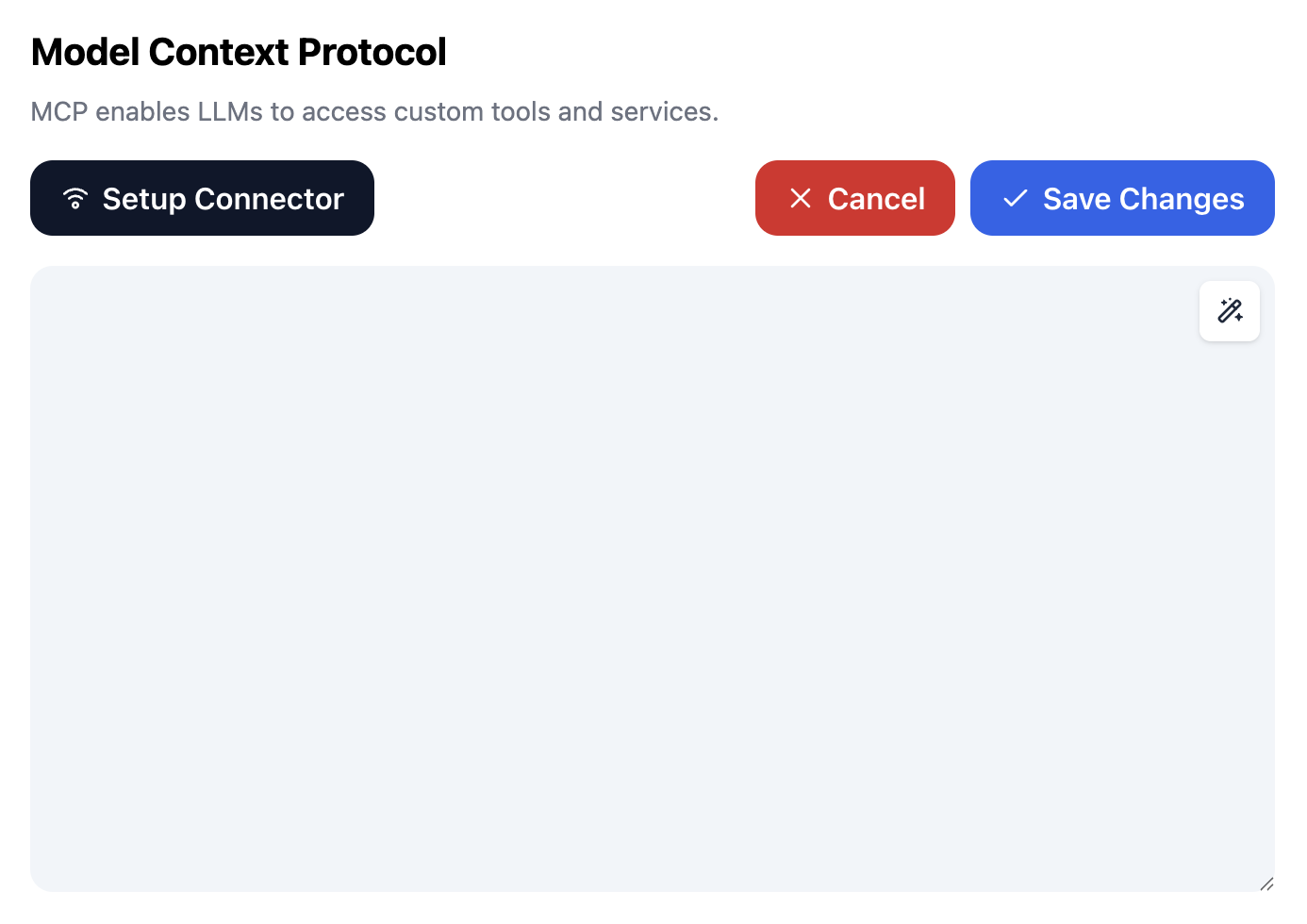
In TypingMind, go to Settings, Advanced Settings, then Model Context Protocol and choose Setup Connector.

  1. Open TypingMind in your browser.
  2. Click the Settings icon.
  3. Go to Advanced Settings.
  4. Open the Model Context Protocol section.
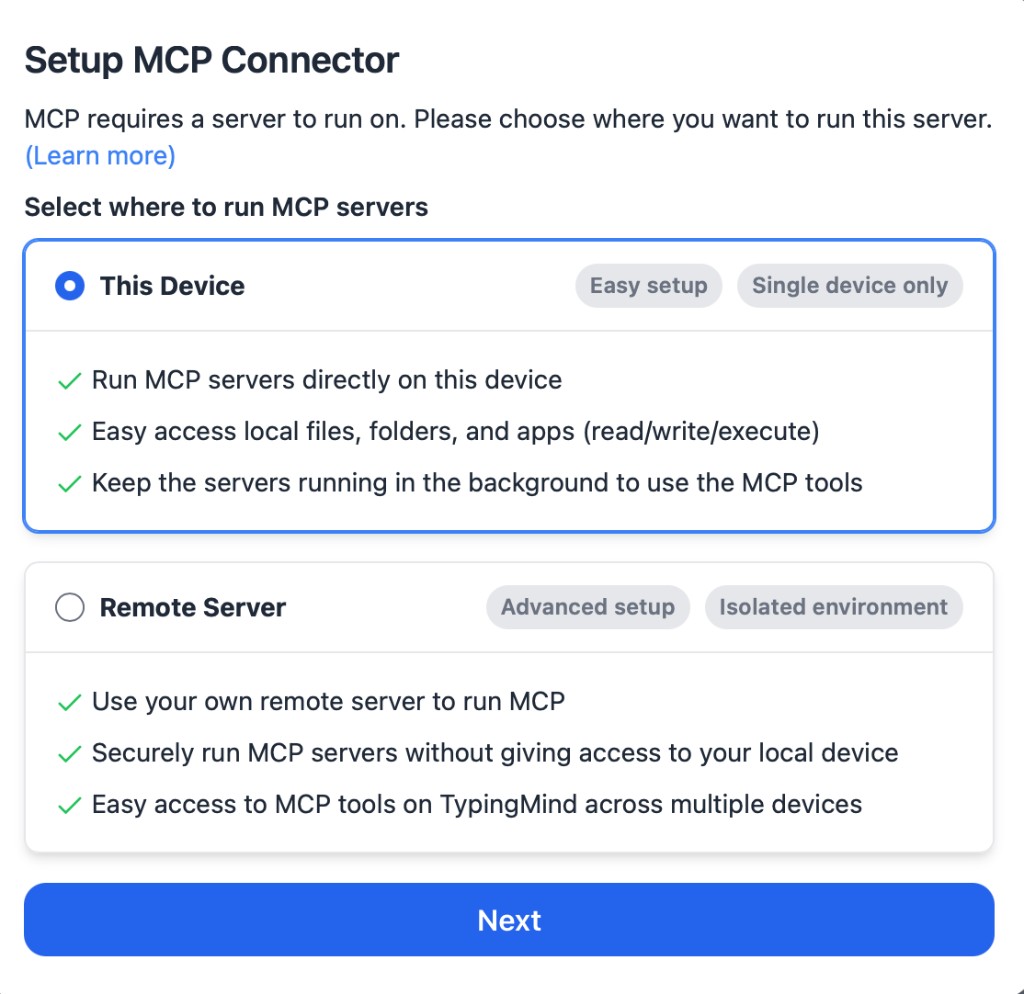
  5. Click Setup Connector and choose This Device.
TypingMind MCP connector setup screen with This Device selected
2

Run the connector command

Choose This Device, copy the command from TypingMind, and run it in Terminal. Keep the process running while you use MCP.

  1. Copy the setup command shown by TypingMind.
  2. Open Terminal on macOS or Windows Terminal on Windows.
  3. Paste and run the command.
  4. Approve the package install if Terminal asks you to proceed.
  5. Keep the Terminal window running while using MCP tools.
3

Add Google Scholar MCP Server as a server

When the connector status is Ready, click Edit Servers and paste the MCP server configuration.

  1. Wait until the connector status shows Ready.
  2. Click Edit Servers.
  3. Paste the Google Scholar MCP Server MCP server configuration.
  4. Save the server list.
  5. Refresh if you want to confirm the connector is still ready.
TypingMind MCP settings showing active server and Edit Servers button
{
  "mcpServers": {
    "jackkuo666-google-scholar-mcp-server": {
      "command": "npx",
      "args": [
        "-y",
        "mcp-server-google-scholar"
      ]
    }
  }
}
4

Use it across models

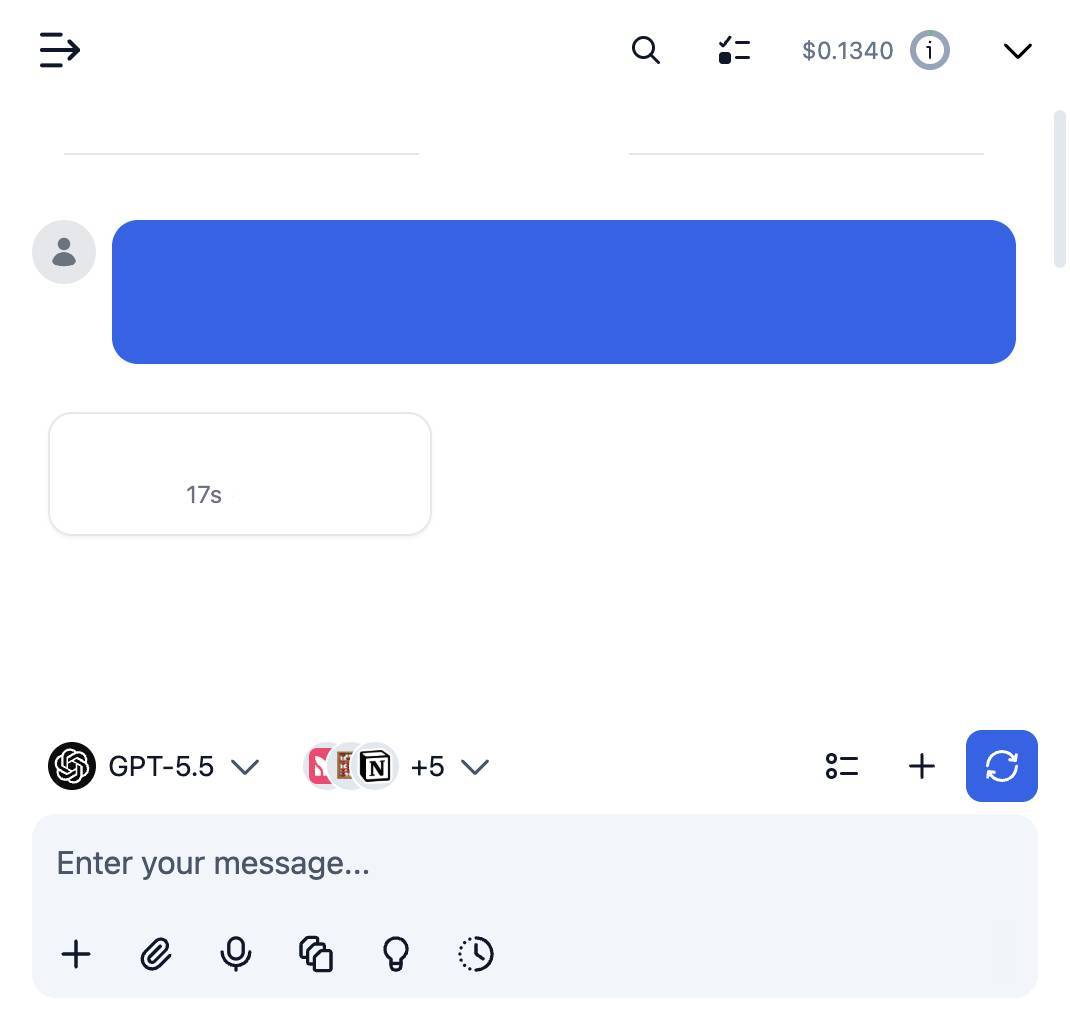
Save the server list, open Plugins, enable the Google Scholar MCP Server MCP tools, then select any supported AI model in TypingMind and use the tools in chat or assign them to an AI agent.

  1. Open the Plugins page in TypingMind.
  2. Enable the Google Scholar MCP Server MCP tools.
  3. Start a chat and choose the AI model you want to use.
  4. Use the MCP tools in chat or assign them to an AI agent.
  5. Switch to another AI model whenever needed without reconnecting MCP.
TypingMind chat using enabled MCP tools with a selected AI model
Can you use Google Scholar MCP Server to help me with this task?
Google Scholar MCP Server
Sure. I read it.
Here is what I found using Google Scholar MCP Server.

Frequently asked questions

What is the Google Scholar MCP Server MCP server used for?

Google Scholar MCP Server is an MCP server that lets compatible AI clients connect to external tools and context. In TypingMind, you can add this MCP server once and make its tools available in your AI workspace.

Can I use Google Scholar MCP Server MCP with multiple AI models in TypingMind?

Yes. TypingMind connects MCP tools at the workspace level, so you can use Google Scholar MCP Server with different AI models such as Claude, ChatGPT, Gemini, or other models you have configured in TypingMind without setting up the MCP server separately for each model.

Why use Google Scholar MCP Server MCP with TypingMind?

TypingMind is one of the best frontends for LLM chat because it brings multiple AI models, prompts, plugins, AI agents, API keys, and MCP tools into one workspace. With Google Scholar MCP Server connected, you can use its MCP tools across your preferred models while keeping your chat workflow organized in TypingMind.

How do I connect Google Scholar MCP Server MCP to TypingMind?

Google Scholar MCP Server runs through the TypingMind local MCP connector. This is best when the MCP server needs access to local files, desktop apps, command-line tools, or private resources on your computer.

What tools does Google Scholar MCP Server MCP provide in TypingMind?

Google Scholar MCP Server exposes MCP capabilities that can be enabled from the TypingMind Plugins page and used in chat or assigned to AI agents.

Do I need to share my API keys with TypingMind to use Google Scholar MCP Server MCP?

No. TypingMind is local-first and lets you keep your model providers, API keys, prompts, and MCP configuration under your control. If Google Scholar MCP Server requires authentication, add the required headers, OAuth settings, or local configuration for that MCP server when you create the connection.

Related MCP Servers

View all

Set up your own AI workspace now

Get notified about new features and future giveaways by subscribing to our newsletter πŸ‘‡